
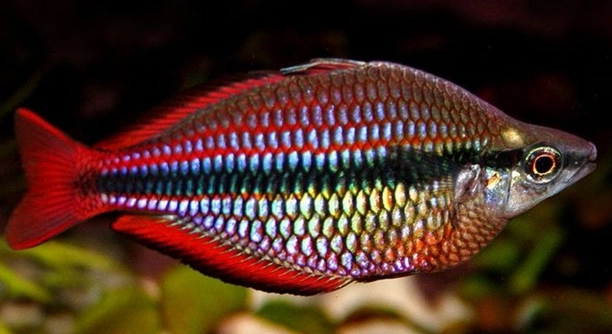
Rainbow fish are colorful, lively creatures that can add vibrancy to any aquarium. Many aquarists find their behavior fascinating, especially when it comes to how they move and interact with their surroundings.
Rainbow fish do not typically swim in specific patterns. Their movements are usually influenced by environmental factors and the presence of other fish, rather than following a defined or rhythmic swimming behavior.
Understanding their behavior will help you provide the best environment for your rainbow fish, ensuring they thrive in their aquatic home. Keep reading to learn more about what influences their swimming habits.
Do Rainbow Fish Swim in Schools?
Rainbow fish don’t always swim in schools, but they are social creatures and tend to swim together when they feel safe. In the wild, they often form small groups, which offers protection from predators. In an aquarium, you might notice them swimming in loose groups or staying near one another. The presence of other fish helps them feel more secure, and they can follow each other’s movements as they explore their space. However, unlike some species, their swimming doesn’t usually follow a strict, synchronized pattern.
Their behavior can change depending on the tank environment. If you keep a small number of rainbow fish or place them in a tank with few companions, you might not see them swimming in close groups. They tend to adapt to their surroundings and will adjust their swimming style based on what feels safest to them. This natural behavior is part of how they interact with their environment and their tank mates.
Some aquarists prefer to keep rainbow fish in groups of at least six to eight, which helps encourage their social nature. With more fish, you’re more likely to see them engage in schooling behavior, even if it’s not perfectly synchronized. This also mimics their natural habits more closely, making the aquarium feel more like their natural habitat.
Are Rainbow Fish Territorial?
Rainbow fish can show territorial behavior, especially when they are stressed or feel their space is being threatened. This happens more in males who might defend an area against others.
If rainbow fish feel crowded or have limited space, they may become more aggressive toward each other. It’s important to make sure your tank is large enough to accommodate the number of fish you have. Keeping the water clean and providing plenty of hiding places can reduce the chances of territorial disputes. When they have enough room and the environment is stable, they tend to be peaceful and will share the space without issue.
Adding more plants and decorations to the tank can also help, as it creates natural boundaries where the fish can claim their own territory without direct conflict. Keeping multiple hiding spots ensures that no fish feels trapped or overly challenged by others. Even in a slightly competitive environment, these adjustments can keep their interactions relatively calm and prevent serious aggression.
How Tank Conditions Affect Rainbow Fish Behavior
Water quality plays a key role in how rainbow fish swim and interact. Poor water conditions can lead to stress, causing them to be less active or even more aggressive. Regular water changes are essential to keep them healthy.
The temperature, pH, and hardness of the water all contribute to how rainbow fish feel in their environment. They thrive in slightly warm, soft water with a neutral pH. If the conditions aren’t right, they may not school as much and might even isolate themselves from other fish. Providing stable conditions encourages calm behavior and more natural swimming patterns.
Proper filtration is also vital. A clean tank with minimal waste ensures that the fish aren’t swimming through harmful toxins, which can stress them out. If the water flow is too strong, they may avoid certain areas of the tank, affecting their movements. Keeping a balanced environment helps rainbow fish remain calm and active in their natural behavior patterns.
Lighting and Rainbow Fish Movement
Rainbow fish respond to lighting, often becoming more active when exposed to natural daylight. They are more likely to swim around during the day and rest at night when the light dims.
Aquarium lighting plays an important role in regulating their circadian rhythm, affecting their swimming behavior. A consistent day-night cycle with proper lighting helps rainbow fish feel secure, encouraging them to swim and explore. Bright lights might make them more energetic, while dimmed lighting can make them seek shelter or rest. This natural response to light mimics the conditions they’d experience in their native habitats, where daylight affects their activity levels.
Some aquarists choose to add lighting timers to ensure the fish follow a predictable cycle. Without this, irregular lighting can lead to stress or confusion, disrupting their daily rhythm. Maintaining a steady lighting schedule allows rainbow fish to thrive and swim more naturally throughout the day and night.
Social Interactions and Schooling Behavior
Rainbow fish are social and enjoy being around others of their kind. While they may not always school in perfect formations, they often swim in loose groups. Their interactions depend on tank size and the presence of other fish.
When kept in larger groups, rainbow fish are more likely to swim together. This behavior mimics their natural habitat, where they tend to stay close to others for protection. However, if there are too few of them or if the tank is too small, they may not school much and instead swim alone or in pairs. This variation in social behavior depends on how safe and comfortable they feel.
Rainbow Fish with Tank Mates
Rainbow fish are generally peaceful and can coexist with a variety of other species. They tend to do well with calm, non-aggressive fish. However, they may get stressed if kept with overly aggressive tank mates.
Choosing the right companions is crucial for their well-being. Rainbow fish might show more vibrant colors and exhibit more natural swimming behavior when they feel at ease with their tank mates. Keeping them with peaceful species ensures a more relaxed and social environment, allowing them to swim comfortably.
How Rainbow Fish Respond to Feeding Time
At feeding time, rainbow fish become noticeably more active. They may swim excitedly in circles or dart around the tank, eager for food. This behavior is a natural response to hunger and a sign of their playful, energetic nature.
During feeding, rainbow fish are quick to spot food and can be very fast swimmers. They typically show no signs of territorial aggression during this time, as their focus shifts entirely to the food. It’s important to feed them regularly but in small amounts to avoid overfeeding and maintain water quality.
FAQ
Do rainbow fish need a lot of space to swim?
Yes, rainbow fish do better when they have enough space to swim around freely. A tank that’s too small can cause stress and limit their natural swimming behavior. It’s recommended to keep them in tanks of at least 20 gallons for a small group. The more space they have, the more comfortable they feel, and the more likely they are to display their natural behaviors like schooling and interacting with other fish.
Can rainbow fish live with other species?
Rainbow fish are peaceful and can live with a variety of other species. They do best in a community tank with other calm fish that won’t intimidate them. Avoid placing them with overly aggressive or territorial fish, as this can lead to stress. They generally get along with other peaceful species like tetras, gouramis, and danios. Just make sure that all the fish in the tank have similar water requirements.
What do rainbow fish eat?
Rainbow fish are omnivores, so their diet should include a mix of high-quality flakes, pellets, and live or frozen food. You can feed them things like brine shrimp, daphnia, bloodworms, and even some vegetables. A varied diet helps keep them healthy and colorful. Make sure to avoid overfeeding, as it can lead to poor water quality and health problems for the fish.
Why are my rainbow fish not swimming in groups?
If your rainbow fish aren’t swimming in groups, it could be due to a few reasons. One possibility is that they feel unsafe or stressed in their environment. A tank that’s too small or lacking in hiding spots can cause them to swim alone. Also, if there are too few rainbow fish in the tank, they may not feel comfortable enough to form a school. Try adding more rainbow fish or creating a more secure environment with plenty of plants and decorations. A larger tank can also help encourage them to group together.
How can I tell if my rainbow fish are stressed?
Stressed rainbow fish may show signs like hiding more than usual, not eating, or swimming erratically. They may also display duller colors, as stress can affect their pigmentation. If your fish are spending more time at the surface or swimming frantically, these could also be signs of stress. Check the water quality to ensure it’s within the proper parameters. If the environment is stable and peaceful, your rainbow fish should be more active and colorful.
Do rainbow fish need a specific water temperature?
Yes, rainbow fish thrive in warm water. The ideal temperature range is between 74°F and 80°F (23°C to 27°C). They are sensitive to temperature fluctuations, so it’s important to maintain a stable environment. If the water is too cold, they may become sluggish or more prone to disease. A reliable aquarium heater is essential to keep the temperature within the correct range.
How often should I feed my rainbow fish?
Rainbow fish should be fed once or twice a day, depending on their size and the amount of food they can eat. It’s best to offer them small amounts to ensure they consume it all without overfeeding. Overfeeding can cause the water quality to decline quickly, leading to potential health issues for both your rainbow fish and any other tank mates. Remove any uneaten food within a few hours to maintain a clean tank.
Can rainbow fish live in saltwater tanks?
Rainbow fish are freshwater species, so they should not be kept in saltwater tanks. They thrive in soft, slightly acidic to neutral water. Saltwater can harm them and cause health issues. Stick to a freshwater setup with proper filtration and water conditions to ensure their well-being.
How long do rainbow fish live?
Rainbow fish typically live for about 5 to 7 years, though some may live longer with proper care. Their lifespan can be influenced by factors like water quality, diet, and overall tank environment. Keeping their habitat clean and providing a balanced diet will help them live a longer, healthier life. Regular water changes and monitoring their health are essential to ensuring their longevity.
Do rainbow fish need special lighting?
Rainbow fish do not require special lighting, but they do benefit from a regular day-night cycle. Mimicking natural light patterns with a timer for your aquarium lights can help keep them active and healthy. Too much bright light, however, can stress them out, so avoid overly harsh lighting. Moderate lighting, combined with some shaded areas in the tank, will make them feel secure and encourage natural swimming behaviors.
Why is my rainbow fish losing color?
A rainbow fish losing color could be a sign of stress, poor water conditions, or an illness. Stressful environments, like overcrowding or aggressive tank mates, can cause their colors to fade. It could also indicate issues with water quality, such as improper pH or temperature. Check the water parameters and address any problems. If the fish continues to lose color, consult with a vet to rule out any underlying health issues. A balanced, healthy environment usually brings back their vibrant hues.
Final Thoughts
Rainbow fish are fascinating creatures that can thrive in various tank setups, as long as their environment is stable and their needs are met. These fish are generally peaceful, social, and active, making them a popular choice for aquarium enthusiasts. Their vibrant colors and playful behavior add beauty to any aquarium, but it’s important to remember that they do best when kept in groups and with other calm fish. Understanding their behavior and providing the right conditions will help ensure that your rainbow fish are happy and healthy.
One of the key factors in keeping rainbow fish is providing them with enough space to swim. While they may not always swim in perfect schools, they do feel more comfortable and secure when they have room to move. A tank that’s too small can cause stress and result in less natural swimming patterns. In addition to space, water quality is crucial. Keeping the water clean and at the right temperature will keep your fish active and vibrant. Regular water changes, proper filtration, and monitoring water parameters are essential for maintaining a healthy environment.
Feeding rainbow fish is another aspect that requires attention. A varied diet that includes both dry and live foods will keep them healthy and support their colorful appearance. Overfeeding should be avoided, as it can affect both water quality and the health of the fish. By making small adjustments to their tank conditions and keeping a close eye on their behavior, you can ensure your rainbow fish live long, vibrant lives. Whether you’re a new aquarium owner or an experienced one, rainbow fish can be a wonderful addition to your tank when their needs are properly met.

Hello,
If you enjoy the content that we create, please consider saying a "Thank You!" by leaving a tip.
Every little bit helps us continue crafting quality advice that supports the health, happiness, and well-being of pets around the world, for pets of all shapes, sizes, and species.
We really appreciate the kindness and support that you show us!