
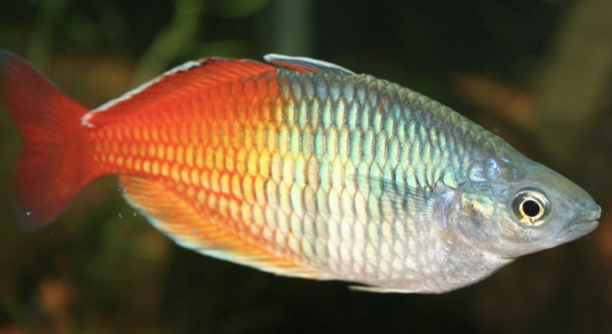
Rainbow fish are fascinating creatures, known for their bright colors and unique swimming patterns. Their behavior can vary based on their environment and emotional state, leaving us to wonder how happiness may influence their movements.
Rainbow fish may swim differently when they are happy, displaying more energetic and fluid movements. These changes are often observed when they feel secure and content, with their behavior becoming more playful and active compared to times of stress or discomfort.
The way rainbow fish swim can tell us more about their emotional well-being. Understanding these behaviors can lead to a deeper appreciation of their needs in a tank environment.
How Rainbow Fish Express Their Emotions
Rainbow fish show a variety of swimming patterns depending on their mood. When they are happy or comfortable, they move with more fluidity, darting from one area of the tank to another. In contrast, when they are stressed, their movements may become sluggish or erratic. They tend to swim slower in tight spaces or if they feel threatened. These changes in swimming are often a sign of how the fish are adapting to their environment.
Fish behavior is influenced by many factors, including water quality, tank mates, and feeding habits. A well-maintained tank with ample space allows the fish to feel safe and thrive. Proper care ensures that they are more likely to swim energetically and interact with their environment.
Monitoring the behavior of rainbow fish can give valuable insights into their emotional state. A fish that swims actively and explores its tank may be happy, while one that hides or swims erratically might be stressed. Observing these signs can help ensure they remain healthy and content in their environment.
Factors Affecting Rainbow Fish Behavior
Tank conditions play a major role in the behavior of rainbow fish. Changes in temperature, pH levels, or cleanliness can significantly impact their movements. Fish are very sensitive to fluctuations in their environment, and their behavior reflects how they are coping with these conditions.
Maintaining stable water conditions is crucial for keeping rainbow fish happy. When conditions are optimal, they are more likely to swim freely and interact with their surroundings. A well-fed rainbow fish will be more active and confident in its behavior. Providing them with a balanced diet and enough space to move around is key to fostering a happy, thriving fish.
The Role of Tank Size in Rainbow Fish Behavior
A larger tank provides more space for rainbow fish to swim freely, reducing stress and encouraging natural behaviors. When confined to a smaller space, they may become anxious, leading to erratic swimming or hiding.
In a spacious tank, rainbow fish can explore different areas, interact with tank mates, and exhibit a variety of behaviors. Adequate space promotes better social interactions between the fish, leading to more confident swimming. A tank size that suits their needs can reduce territorial disputes and improve overall well-being.
Overcrowding is another issue that can affect behavior. If there are too many fish in a tank, rainbow fish may become stressed and exhibit signs of aggression. This can lead to unhealthy competition for resources, impacting their swimming patterns and overall happiness.
The Importance of Tank Mates
Rainbow fish are generally peaceful and do well with other non-aggressive species. Choosing compatible tank mates can influence their behavior, as having peaceful fish around encourages calm and confident swimming.
Certain species may trigger territorial behavior in rainbow fish, leading to more defensive or erratic swimming patterns. Aggressive tank mates can cause them to feel threatened, prompting them to swim less freely and seek hiding spots. It’s important to select tank mates that won’t stress them out, ensuring a more harmonious environment.
Ideal companions for rainbow fish are species that match their calm temperament and similar care needs. Keeping them with other peaceful, non-territorial fish ensures that they can thrive in a stress-free environment, displaying happy, active swimming.
Feeding and Its Effect on Swimming Patterns
Rainbow fish respond well to a balanced diet, and proper feeding habits can affect their behavior. Regular feeding times can help them feel secure and encourage more active swimming.
If they are underfed, rainbow fish may show signs of stress, becoming lethargic and swimming less. On the other hand, overfeeding can lead to water quality issues, which can also cause discomfort and a reduction in swimming activity.
Water Quality and Its Impact on Behavior
Maintaining clean water is essential for healthy rainbow fish. Poor water quality can lead to stress and affect their swimming patterns, causing them to swim more slowly or stay in one spot.
Regular water changes and monitoring water parameters, such as pH and temperature, help ensure that the fish remain active and happy. Consistently clean water reduces stress and supports their natural swimming behavior, allowing them to thrive.
The Impact of Light on Rainbow Fish
Rainbow fish are sensitive to lighting, which can influence their activity levels. Bright light can make them feel exposed, leading to less movement and hiding behavior.
Providing gentle, natural lighting creates a more comfortable environment, encouraging them to swim freely. Overly intense lighting should be avoided, as it can cause stress, which negatively affects their swimming patterns.
FAQ
Do rainbow fish only swim differently when happy?
Rainbow fish can also adjust their swimming patterns based on other factors such as stress, hunger, or water quality. While happiness encourages energetic and fluid movements, stress or discomfort can cause them to swim sluggishly or hide. These behaviors provide clues to their emotional and physical health.
How can I tell if my rainbow fish is stressed?
Stress in rainbow fish may manifest as erratic swimming, hiding, or rubbing against objects. They might also swim in circles or exhibit a lack of interest in food. If your fish shows these signs, it’s important to check water quality, tank conditions, and the behavior of tank mates to identify the cause.
Can I change the swimming patterns of my rainbow fish?
You can influence their swimming patterns by providing a comfortable and stable environment. This includes proper water quality, appropriate tank size, and suitable tank mates. When rainbow fish feel safe and secure, they are more likely to swim confidently and interact with their surroundings.
How do I create a better environment for rainbow fish?
To improve the environment for rainbow fish, ensure that their tank has enough space for swimming, good filtration, and regular water changes. Keep the temperature and pH levels within the recommended range for the species. Additionally, avoid overcrowding and provide hiding spots to make them feel secure.
Do rainbow fish need a lot of interaction to stay happy?
Rainbow fish are social creatures, but they do not require constant interaction. Having other peaceful fish in the tank can help them feel more at ease. They enjoy being part of a community but will still thrive with enough space and stable conditions, even if not constantly interacting with other fish.
How do tank mates affect rainbow fish behavior?
The right tank mates can have a positive impact on rainbow fish behavior, encouraging calm and confident swimming. Aggressive or territorial tank mates can stress them out, leading to defensive or sluggish swimming. Choosing peaceful species with similar care needs promotes better overall health and activity.
What type of food is best for rainbow fish?
Rainbow fish thrive on a varied diet that includes high-quality flake food, pellets, live or frozen foods like brine shrimp, and occasional plant matter. A balanced diet helps them maintain their energy levels, leading to more active swimming. Avoid overfeeding, as it can affect water quality and fish health.
Is there a difference in behavior between male and female rainbow fish?
Male rainbow fish are generally more active and exhibit more vibrant colors compared to females, especially during breeding seasons. They may display more noticeable swimming patterns when courting females or establishing territories. Female rainbow fish are typically calmer and less energetic, though they still swim actively in a healthy environment.
How do water changes affect rainbow fish swimming?
Water changes can have an immediate positive effect on rainbow fish behavior. Fresh, clean water improves water quality and helps reduce stress, which may encourage them to swim more actively. However, drastic changes in water conditions can stress them out, so gradual adjustments are ideal for maintaining comfort.
Can rainbow fish get bored in a tank?
Rainbow fish may experience boredom if their environment lacks variety and stimulation. To prevent this, provide plants, rocks, or decorations for them to explore. Having enough swimming space and a variety of tank mates also helps keep them active and engaged. Regular changes to the tank setup can introduce novelty.
Do rainbow fish swim differently at night?
Like many fish species, rainbow fish are generally less active at night. They may retreat to a hiding spot or swim more slowly when the light dims. However, they don’t enter full sleep mode; they may still swim gently, particularly if they feel secure in the environment.
How long does it take for rainbow fish to adjust to a new tank?
Rainbow fish may take several days to a few weeks to adjust to a new tank. During this period, their swimming patterns may appear cautious or slower. It’s important to ensure that water conditions are stable and that they are not stressed by tank mates or environmental factors during this adjustment phase.
What are the best tank conditions for rainbow fish to swim freely?
For rainbow fish to swim freely, their tank should have stable water conditions, with a temperature of 74-79°F (23-26°C) and a pH of 6.5 to 7.5. The water should be clean, with good filtration and regular changes. Providing enough space for swimming and peaceful tank mates will also encourage active behavior.
Can rainbow fish swim differently in different water temperatures?
Yes, water temperature affects the activity level of rainbow fish. In warmer water within the recommended range, they are likely to swim more actively. However, temperatures outside the optimal range, especially too cold, can make them sluggish and less responsive to their environment.
Final Thoughts
Rainbow fish are fascinating creatures with unique behaviors that can be influenced by various factors such as water quality, tank size, and even their interactions with other fish. Their swimming patterns, which are often fluid and energetic, can serve as indicators of their overall health and happiness. When rainbow fish are in a comfortable, stress-free environment, they tend to swim more actively, exploring their surroundings and engaging with their tank mates. On the other hand, when they are stressed, whether due to poor water conditions or incompatible tank mates, their swimming can become sluggish or erratic. Understanding these behaviors can help aquarists ensure their rainbow fish remain healthy and content.
Providing the right environment is crucial for promoting happy, active swimming in rainbow fish. This means offering enough space to swim freely, maintaining good water quality, and avoiding overcrowding. Additionally, choosing the right tank mates is just as important. Peaceful fish that don’t cause stress will encourage rainbow fish to swim more naturally. A balanced diet and regular feeding times also play a role in keeping them healthy and active. These factors combined can make a noticeable difference in how rainbow fish move and interact within their tank.
Ultimately, understanding how rainbow fish behave and what influences their swimming patterns helps create a more comfortable and healthy environment for them. Regular maintenance, careful attention to tank conditions, and monitoring their behavior can lead to a thriving aquarium. By keeping these factors in mind, aquarists can ensure their rainbow fish are not only swimming actively but also living their best lives in a peaceful and stable habitat.

Hello,
If you enjoy the content that we create, please consider saying a "Thank You!" by leaving a tip.
Every little bit helps us continue crafting quality advice that supports the health, happiness, and well-being of pets around the world, for pets of all shapes, sizes, and species.
We really appreciate the kindness and support that you show us!