
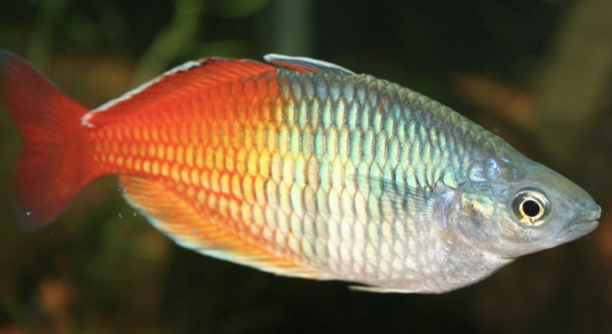
Rainbow fish are known for their vibrant colors, but their sleeping habits often raise questions. One common curiosity is whether they sleep with their eyes open, as it may seem unusual compared to other creatures.
Rainbow fish do not close their eyes when they sleep, as they lack eyelids. Their eyes remain open, though they enter a restful state where activity slows down. These fish still have limited awareness of their surroundings during sleep.
Understanding the sleep behavior of rainbow fish can help improve their care and environment. It’s important to know how this affects their overall well-being.
How Do Rainbow Fish Sleep Without Eyelids?
Rainbow fish are unique in that they do not have eyelids, making it impossible for them to close their eyes while sleeping. This often leads to confusion about how they rest. While they do not sleep like humans, they still experience a form of rest. When in a restful state, their movements slow, and their activity decreases significantly. During this time, they are still able to detect nearby movements and are not completely unaware of their environment.
Unlike animals with eyelids that shut their eyes to signal rest, rainbow fish rest with their eyes open, but they are not constantly alert. Their body posture changes, and they may hover in one place, usually near shelter or plants. This position helps them conserve energy while remaining vigilant for any potential threats.
Understanding how rainbow fish sleep can help owners ensure the fish are in an ideal environment for rest. It’s important to avoid excessive light or noise that may disturb them during this quiet period.
Factors Affecting Rainbow Fish Sleep
Environmental factors such as light, temperature, and tank conditions affect how rainbow fish rest. If their surroundings are too bright or noisy, they may have trouble relaxing. A consistent light cycle that mimics natural day and night patterns is crucial.
In their natural habitat, rainbow fish are accustomed to varying light levels. For this reason, replicating a day-night cycle in the tank helps provide a proper environment. You should also ensure that water temperature is stable and within the ideal range for their species. Fish that experience fluctuations in water conditions are more likely to become stressed, which can impact their ability to rest properly.
Providing a quiet space with plenty of hiding spots can help the rainbow fish feel safe, especially during their sleep periods. A stress-free environment encourages healthy sleep and better overall health for these colorful fish.
Can Rainbow Fish Sleep at Night?
Rainbow fish have a natural rhythm that is influenced by light levels, similar to other animals. While they don’t have eyelids, they follow a typical cycle of being more active during daylight hours and resting at night. Their sleep isn’t like that of mammals but follows a pattern of lowered activity.
Nighttime rest for rainbow fish is important for their overall health. During this period, they conserve energy, reduce activity, and rest in a relatively still state. They don’t enter deep sleep as humans do, but their reduced movement indicates a resting state. Tank owners should be mindful of providing a dark environment at night to encourage this behavior.
A consistent day and night cycle is essential for maintaining their natural rhythm. Without proper rest, rainbow fish may become stressed or lethargic. Ensure that your aquarium’s lighting simulates a natural cycle, as disturbances can affect their behavior and health.
Sleep Behavior and Tank Setup
The setup of your tank plays a significant role in the sleep behavior of rainbow fish. A peaceful environment with minimal disruptions encourages better rest. Adding plants, decorations, or hiding spots provides a sense of security. These spots allow the fish to rest in a way that feels safe.
Lighting is a key factor in creating a suitable sleep environment. Too much artificial light can disrupt their natural sleep cycle, leading to stress and inactivity. It’s important to use a timer for the aquarium light, ensuring a consistent day and night cycle. Keeping the light dim during the night helps them rest properly.
Temperature control also affects the quality of their rest. Rainbow fish prefer a temperature range between 74°F and 80°F (23°C-27°C). If the water temperature fluctuates outside this range, it can lead to stress and disrupt their sleep.
Do Rainbow Fish Need Darkness to Sleep?
Rainbow fish do not need complete darkness to sleep, but they do require a period of reduced light. Their natural habitat has varying light levels throughout the day, and mimicking this environment helps them rest. Bright lights can disrupt their rest and stress them out.
A consistent light cycle is vital. During the night, the light should be dim or completely off to signal rest. Prolonged exposure to bright lights or erratic lighting patterns can interfere with their natural sleep habits, leading to health issues like stress or lethargy. Setting a timer for the light helps maintain this balance.
Keeping the environment dark during the night encourages better sleep and helps them recharge for the next day. This practice is simple and essential for promoting their overall well-being.
How Much Rest Do Rainbow Fish Need?
Rainbow fish need several hours of rest each day, with most of their sleep occurring during the night. They follow a light/dark cycle, becoming less active when the lights are off. They won’t sleep for long stretches like humans, but they rest enough to stay healthy.
During the day, rainbow fish are more active, swimming and interacting with their environment. But even then, they may take short periods of rest throughout the day. These short rest periods allow them to regain energy and stay healthy.
Maintaining a regular light cycle in the tank ensures that they have enough rest. Avoiding excessive artificial light and keeping their environment calm can help them feel more secure and promote better sleep.
Common Sleep Issues
Rainbow fish may face sleep disturbances if their environment is not optimal. Factors like fluctuating water temperatures, noisy surroundings, or improper lighting can affect their ability to rest. It’s essential to address these issues to maintain a stress-free habitat for them.
Stress caused by external factors, such as poor water quality or overcrowding, can also disrupt their natural sleep cycle. If they feel threatened or unsafe, they may remain more alert, which can prevent them from resting properly. Providing hiding spots or plants can help them feel secure during their sleep.
Ensuring a peaceful, stable environment can reduce stress and improve their overall sleep quality. Regular water changes and monitoring tank conditions are essential steps to avoid sleep-related issues.
FAQ
Do rainbow fish sleep with their eyes open?
Yes, rainbow fish sleep with their eyes open because they do not have eyelids. Their eyes remain open throughout their rest, but their activity level significantly drops. This makes them appear inactive, even though they are still aware of their surroundings to some extent. Their eyes may seem focused, but this doesn’t mean they are alert.
Can rainbow fish see when they are sleeping?
While rainbow fish do not close their eyes, they are still able to see to some extent while they are resting. However, their awareness and reaction time are much slower. This helps them stay aware of potential threats in their environment, but they do not respond as quickly as when they are fully active.
How long do rainbow fish sleep each day?
Rainbow fish usually sleep for several hours each day. Their sleep tends to follow a natural cycle, with most of their rest occurring during the night. However, their sleep is not continuous and is broken up into short periods, similar to how humans take short naps. They need this rest to stay healthy and active during the day.
Do rainbow fish need a light cycle to sleep well?
Yes, rainbow fish need a light cycle to regulate their sleep patterns. They naturally respond to the light and dark cycle of their environment, and providing a consistent day-night cycle in their tank is essential for their well-being. If their environment is too bright or lacks a clear cycle, it can disrupt their sleep and stress them out.
What is the best lighting for rainbow fish to sleep?
The best lighting for rainbow fish to sleep is a dim or completely off light during the night. Bright lights can disturb their rest and affect their natural rhythm. It’s recommended to use a timer for the aquarium light, ensuring that it mimics a day and night cycle to help them get proper rest.
Do rainbow fish sleep more in the winter?
Rainbow fish may sleep slightly more during colder months because their metabolism slows down with the decrease in temperature. However, they don’t experience a drastic increase in sleep like hibernating animals. As long as the water temperature remains stable and within their preferred range, they will maintain their usual sleep patterns.
Can rainbow fish sleep during the day?
Rainbow fish can rest during the day, but their main sleep period usually occurs at night. During the day, they tend to be more active, swimming around the tank. However, they might take short breaks to rest between periods of activity. Providing them with hiding spots helps them rest during the daytime if they choose.
Do rainbow fish sleep in groups or alone?
Rainbow fish are social creatures, but they do not necessarily sleep in groups. They may sleep near each other for comfort and security, especially in a well-planted tank where they can hide if needed. They are not as tightly grouped during rest as they are when swimming actively, but they do benefit from being in a social environment.
How can I tell if my rainbow fish are sleeping?
It can be hard to tell if rainbow fish are truly sleeping, as they don’t close their eyes. However, when they are resting, they typically swim less or hover in one spot with minimal movement. Their bodies are relaxed, and they may appear motionless for a while, even though they remain alert.
Can rainbow fish be stressed by lack of sleep?
Yes, a lack of proper sleep can stress rainbow fish. If their environment is too loud, too bright, or too uncomfortable, they may not rest well, leading to stress. Chronic stress can negatively affect their immune system, behavior, and overall health. Ensuring a calm and consistent environment helps them maintain a healthy sleep cycle.
What temperature is best for rainbow fish sleep?
Rainbow fish prefer water temperatures between 74°F and 80°F (23°C-27°C). A stable temperature within this range is crucial for their sleep and overall health. If the temperature fluctuates too much, it can cause stress and interfere with their rest. Monitoring the water temperature regularly will help ensure they remain comfortable.
How do rainbow fish sleep in the wild?
In the wild, rainbow fish rest in sheltered areas, such as plants or rocky structures. They experience a similar day-night cycle, becoming less active during the night and more active during daylight hours. Like in captivity, they don’t close their eyes, but they enter a low-energy state to rest.
Can rainbow fish sleep with tank mates?
Rainbow fish can sleep near their tank mates, especially if the tank has plenty of hiding spots and plants for all fish to feel secure. They don’t necessarily sleep in close proximity but may remain in the same general area for comfort. Having a peaceful tank environment helps ensure everyone can rest properly.
Do rainbow fish get enough rest with aquarium lighting?
If the aquarium lighting is too bright or remains on for long periods, rainbow fish may not get the rest they need. It’s important to provide them with a consistent dark period at night to mimic natural conditions. If the light is left on too long, it may disrupt their sleep cycle.
Is it necessary to cover the tank at night for rainbow fish?
It is not strictly necessary to cover the tank, but it can help create a darker environment for the rainbow fish to sleep. A cover can block out external light that may interfere with their sleep. However, ensure that the tank has proper ventilation if you decide to cover it.
What should I do if my rainbow fish aren’t sleeping?
If your rainbow fish are not sleeping or seem unusually active during the night, it could be due to stress or poor tank conditions. Check the water quality, temperature, and lighting. Ensure there are enough hiding spots and reduce any external noise or disturbances to create a more peaceful environment.
Can I feed rainbow fish before they sleep?
Feeding rainbow fish before they sleep is fine, but it’s important not to overfeed them right before their rest period. Offering a small meal during the evening can help them feel satisfied without disturbing their sleep. However, it’s best to avoid feeding right before lights-out, as this could affect their rest cycle.
Final Thoughts
Rainbow fish have unique sleep habits due to their inability to close their eyes. Unlike many other animals, they remain alert even while resting, making it difficult to tell when they are truly asleep. They rely on reduced lighting and a stable environment to get the rest they need. Providing a natural light cycle is essential, as it helps maintain their health and keeps them in sync with their biological rhythms.
These fish don’t need complete darkness to sleep, but a dim environment during the night is crucial for them to relax and recharge. Bright lights or erratic lighting patterns can cause stress, leading to restless behavior. A consistent day-night cycle, with lights off during the night, helps them feel secure and promotes better sleep. Ensuring their tank has proper lighting, stable water temperatures, and plenty of places to hide will help them feel safe and rest effectively.
In conclusion, understanding the sleep habits of rainbow fish is important for creating an environment that supports their well-being. By mimicking their natural light conditions and keeping the tank calm and stable, you can ensure they get the rest they need. Proper sleep is vital for their health, and paying attention to their needs will allow them to thrive in your aquarium.

Hello,
If you enjoy the content that we create, please consider saying a "Thank You!" by leaving a tip.
Every little bit helps us continue crafting quality advice that supports the health, happiness, and well-being of pets around the world, for pets of all shapes, sizes, and species.
We really appreciate the kindness and support that you show us!