
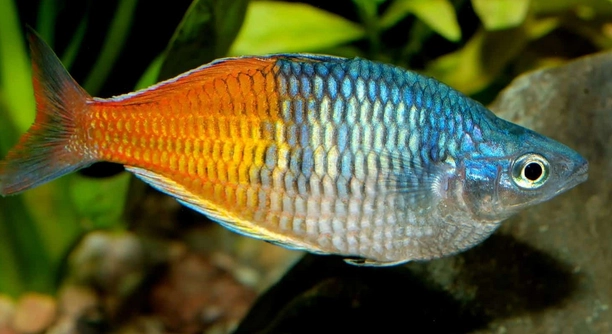
Rainbow fish are popular for their vibrant colors and active nature. Understanding their behavior, such as their sleeping habits, can help aquarium owners provide the best care for them. A common question is whether they sleep at the bottom of the tank.
Rainbow fish typically do not sleep on the bottom of the tank. They tend to rest in the middle or upper parts of the water column. During their resting periods, they may reduce their activity and become less active, but they do not stay on the tank’s floor.
Rainbow fish have specific resting patterns that are important for aquarium management. Understanding these can help ensure their comfort and well-being.
Where Do Rainbow Fish Sleep?
Rainbow fish are active swimmers and don’t tend to sleep on the bottom of the tank. They prefer to rest in the middle or upper parts of the water. When they do sleep, it’s not as obvious as it might be with other fish. They become less active, but their bodies don’t change position much. They tend to rest on plants, decorations, or in places where they feel safe. Understanding their behavior can help you create an ideal environment for them. Keeping them in areas where they feel secure allows them to rest properly.
While rainbow fish don’t sleep on the bottom, they do rest and can spend time near the surface or mid-water. They may also rest in peaceful areas, such as plants or hiding spots, which is important for their well-being.
Maintaining a balanced tank setup with plenty of hiding spots is essential for rainbow fish. It helps them feel safe, promoting proper resting periods. You can also provide plants or decorations where they can sleep comfortably. This setup mimics their natural habitat and encourages healthy behavior. By understanding their habits, you can improve their care.
How to Ensure Proper Rest for Rainbow Fish
Creating a proper resting environment for rainbow fish is simple. Make sure the tank has enough plants, hiding spots, and areas where they can retreat if needed.
Resting periods are essential for rainbow fish. Providing a calm environment with the right conditions can help them rest effectively. Ensure your tank’s temperature, lighting, and water quality are optimal. Rainbow fish will thrive when given enough space to move freely and sleep undisturbed. Their behavior reflects the comfort they feel in their surroundings, and the more secure they are, the better they will rest. With a little effort, you can provide a healthy environment where they feel safe enough to rest without issue.
Rainbow Fish Sleep Patterns
Rainbow fish don’t follow a strict sleep schedule like some other species. They rest during the night or when the tank lights are off. During these times, their activity level lowers, but they remain alert to any changes in their environment. Their sleep isn’t deep, so they can quickly resume activity if needed.
Since rainbow fish are active swimmers, their rest isn’t as noticeable. They don’t stay in one position for long, often moving slowly or hovering in place. This type of rest helps them conserve energy without fully stopping their swimming behavior. Providing a consistent day and night cycle helps maintain their natural rhythm, ensuring they get proper rest.
While they’re not fully inactive, rainbow fish still need quiet periods to rest. A stable environment with a consistent light schedule allows them to adjust their activity levels naturally. Keeping the tank peaceful at night supports their rest and overall health. Ensuring these conditions will help promote healthy, active rainbow fish.
Environmental Factors Affecting Rest
The environment plays a significant role in how well rainbow fish rest. Poor water quality or excessive noise can interfere with their ability to sleep. Maintaining a clean tank with stable water parameters is essential for their comfort. Regular water changes and proper filtration help prevent stress and promote healthy behavior.
Rainbow fish thrive in calm environments. If there’s too much movement in the tank or if other fish are overly active, they may struggle to find a comfortable place to rest. It’s important to arrange the tank with plenty of hiding spots or plants where they can retreat. This helps them feel safe and secure during their rest periods. A quiet, stable tank will improve their sleep and general well-being, ensuring they remain healthy and active.
Tank Size and Sleeping Habits
Rainbow fish require enough space to swim and rest comfortably. A cramped tank can cause stress, which affects their ability to rest properly. Providing a larger tank with ample swimming area encourages natural behavior, including resting in their preferred zones.
A tank that’s too small can also lead to territorial disputes, making it difficult for rainbow fish to relax. Adequate space allows them to move freely, find quiet spots, and reduce stress levels. Ensuring a proper tank size is essential for their well-being and helps maintain healthy sleep cycles.
Lighting and Sleep Quality
Rainbow fish are sensitive to light, and improper lighting can disturb their natural rest. Using a timer to regulate the light cycle mimics natural day and night rhythms, helping them sleep more effectively. Consistent light patterns reduce stress and promote better overall health.
Having periods of darkness in the tank is important for promoting rest. Rainbow fish can become stressed if there’s too much light at night. Keeping the tank dark during the night and providing a stable light schedule during the day allows them to sleep properly, ensuring they remain active and healthy.
Stress Factors That Affect Sleep
Stress is a major factor in disrupting rainbow fish sleep. Factors such as water temperature fluctuations, tank overcrowding, and aggressive tank mates can all contribute to disturbed rest. Minimizing these stressors will help rainbow fish get the sleep they need to thrive.
Proper care and attention to the tank environment will keep stress levels low. Regular water checks, maintaining the right temperature, and ensuring a peaceful tank setup all contribute to better sleep and overall health for rainbow fish. These steps are essential for their well-being.
FAQ
Do rainbow fish sleep at night?
Yes, rainbow fish generally rest at night, though their sleep isn’t as deep as other fish. They still remain semi-alert to any changes in their environment. While they do reduce their activity, they don’t become completely inactive. The darkness at night signals their rest period, but they can still quickly react if necessary.
How can I tell if my rainbow fish is sleeping?
Rainbow fish don’t have a specific sleep position, so it can be hard to tell when they are asleep. They often remain stationary in one area of the tank but don’t lie still. Their body movements slow down, and they may hover or float in place, indicating they are resting. Look for a decrease in swimming activity to identify rest.
What should I do if my rainbow fish isn’t sleeping well?
If your rainbow fish is having trouble sleeping, check the tank conditions first. Ensure the water quality is good, the lighting cycle is consistent, and there’s enough space for the fish to feel secure. Stress, poor water conditions, and aggressive tank mates can all affect their rest. Reducing stressors and creating a calm environment should help them sleep better.
Do rainbow fish need darkness to sleep?
Yes, rainbow fish need periods of darkness to rest properly. They follow natural light cycles, and a consistent day and night pattern helps them sleep. Make sure the tank is dark at night by turning off the lights or using a timer to regulate light and dark periods. This encourages healthy sleep patterns.
Do rainbow fish sleep on the bottom of the tank?
Rainbow fish typically do not sleep on the bottom of the tank. They prefer to rest in the middle or upper levels of the tank, near plants, rocks, or other structures. They might hover in place but generally avoid staying near the tank floor. Providing plenty of vertical space can help them feel secure.
Why is my rainbow fish always near the surface?
Rainbow fish are naturally attracted to the surface of the water because of their need for oxygen. They often swim near the surface, especially when the tank has good aeration. If your rainbow fish stays near the surface, it’s likely due to their instinct to seek oxygen-rich water. Ensure that your aquarium is properly aerated to provide them with healthy water conditions.
Do rainbow fish sleep alone or in groups?
Rainbow fish tend to rest alone, but they feel more secure in groups. They are social fish and typically rest near other fish, but they don’t necessarily sleep in direct contact with one another. Having a group can reduce stress and create a peaceful environment, allowing them to rest more effectively.
How much sleep do rainbow fish need?
Rainbow fish don’t need a set amount of sleep like humans, but they do require periods of rest. They usually rest during the night, but their sleep cycles are much lighter. They are more active during the day and will spend their nights in a state of reduced activity, but not complete inactivity. Providing them with an appropriate lighting cycle ensures they get the necessary rest.
Can rainbow fish sleep while swimming?
Rainbow fish don’t sleep while swimming. Although they may rest in place and appear to be motionless, they don’t sleep in a continuous swimming state. Their resting periods are usually done in a stationary position or slow movement within a secure area of the tank. They remain alert, even during rest.
Are rainbow fish active sleepers?
Rainbow fish are active sleepers. They rest, but not in the same way that other fish may do. Their sleep is lighter, and they maintain some level of alertness. They can react quickly to changes in their environment, even during rest. This makes their sleep more dynamic and less noticeable.
Can rainbow fish sleep with other fish in the tank?
Rainbow fish can sleep alongside other species in the tank, as long as the tank mates are peaceful and don’t create stress. Providing plenty of hiding spaces and plants allows them to rest without feeling threatened. Aggressive tank mates may disrupt their sleep, so it’s important to choose compatible fish for a peaceful environment.
What kind of tank setup is best for rainbow fish sleep?
A tank setup that includes plants, rocks, and other decorations gives rainbow fish plenty of places to hide and rest. Ensure that the tank is large enough for them to swim freely, with areas where they can feel safe and secure. Proper water conditions, like temperature and filtration, also contribute to their ability to rest well.
Can rainbow fish get insomnia?
Rainbow fish can experience stress-related sleep disruptions, but they don’t technically suffer from insomnia. Stress from poor water conditions, aggressive tank mates, or an unsuitable environment can prevent them from resting properly. By maintaining a calm, clean tank with a proper lighting cycle, you can reduce the likelihood of sleep disturbances.
Should I turn off the aquarium light at night for rainbow fish?
Yes, turning off the aquarium light at night is essential for rainbow fish. A consistent light and dark cycle mimics their natural habitat and encourages proper sleep. Use a timer to ensure the lights automatically turn off at night and back on during the day, helping regulate their sleep patterns.
Do rainbow fish sleep in the day?
Rainbow fish are typically active during the day and rest at night. They do not follow a strict day-time sleep schedule, but their activity level does decrease at night. During the day, they are more active and swim around, often interacting with other tank mates. At night, they rest.
How do I know if my rainbow fish is stressed?
Signs of stress in rainbow fish include erratic swimming, hiding frequently, or rubbing against objects in the tank. They may also become aggressive or show a lack of appetite. Stress can disrupt their sleep, so it’s important to maintain a calm environment with stable water conditions.
Final Thoughts
Understanding how rainbow fish sleep and rest is key to ensuring their health and well-being. While these fish don’t follow traditional sleep patterns like some other species, they still need periods of reduced activity and rest. Their sleep is lighter, and they remain semi-alert, but they require a stable environment to feel secure enough to sleep well. Creating the right tank conditions, such as proper lighting cycles, sufficient space, and stress-free surroundings, is essential for promoting healthy sleep. Without these factors, your rainbow fish might face stress that disrupts their rest, affecting both their physical and mental health.
The role of tank setup cannot be overlooked when it comes to sleep. Providing hiding spaces, plants, and areas where rainbow fish can retreat without feeling exposed will encourage them to rest properly. Water conditions are also important; clean, well-maintained water allows for better sleep quality. A good filter, proper temperature, and stable pH levels contribute to an environment where your rainbow fish can sleep undisturbed. The right lighting setup with day and night cycles also ensures they can follow their natural rhythms, contributing to their overall health and energy.
Rainbow fish are social creatures, but they need space and a peaceful tank to rest. Too much activity or aggression from other fish can lead to stress, making it harder for them to get adequate sleep. Observing their behavior and adjusting the environment as needed will ensure your fish remain healthy and active. By following the best practices for care, you can promote better sleep, reduce stress, and help your rainbow fish thrive in their aquarium. A balanced environment makes a significant difference in their ability to rest and remain healthy.

Hello,
If you enjoy the content that we create, please consider saying a "Thank You!" by leaving a tip.
Every little bit helps us continue crafting quality advice that supports the health, happiness, and well-being of pets around the world, for pets of all shapes, sizes, and species.
We really appreciate the kindness and support that you show us!