
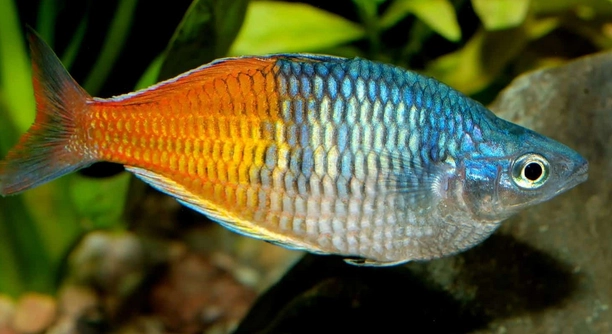
Rainbow fish are colorful and fascinating creatures often admired in aquariums. People may wonder about their sleeping habits and whether they prefer resting alone or with others. Understanding their behavior can help ensure they thrive in their habitats.
Rainbow fish typically do not sleep in groups. They are solitary sleepers, resting in quiet areas of the aquarium. While they may swim near others during the day, their sleep habits involve finding a calm spot to rest on their own.
Their sleeping patterns are influenced by the environment around them. Learning about these habits can help create the best conditions for their health and happiness in your aquarium.
Sleeping Habits of Rainbow Fish
Rainbow fish are active during the day, swimming in schools and interacting with their surroundings. When night falls, they tend to seek a quiet, safe place to rest. They don’t huddle together as some fish species do. Instead, they prefer to sleep alone in a secluded area of the aquarium, away from the flow of water. This behavior is driven by their need to feel secure while resting.
Their sleep habits can be affected by the aquarium environment. If the water is too turbulent or noisy, rainbow fish may struggle to find a suitable resting spot. Maintaining a calm and peaceful environment helps them rest better and stay healthy.
While rainbow fish are not social sleepers, they still interact with other fish during the day. They enjoy swimming in groups, which helps them feel more secure from predators in the wild. But when it’s time to rest, they prefer solitude.
Importance of Quiet Resting Spaces
A quiet, calm environment is crucial for the well-being of rainbow fish. Without it, they may experience stress, which could lead to health problems. A well-maintained aquarium provides both space and peaceful conditions for them to rest.
To ensure rainbow fish sleep well, make sure the water flow isn’t too strong. Avoid placing them near noisy filters or equipment. Ideally, you should have plants or decorations where they can rest undisturbed. These features not only mimic natural habitats but also help create a comfortable atmosphere for the fish. Creating these spaces ensures that your rainbow fish will thrive and feel safe enough to rest properly.
Factors That Affect Rainbow Fish Sleep
Rainbow fish are sensitive to their environment. Things like lighting, water quality, and temperature all play a role in their sleeping habits. If the conditions aren’t ideal, they may not sleep as well, affecting their overall health and behavior. It’s important to keep their space calm and stable.
Proper lighting is essential. If the aquarium lights are left on too long or are too bright, it can interfere with their natural sleep cycle. The best way to simulate a natural day-night cycle is to use a timer for the aquarium lights. This gives them the right amount of rest time. Also, make sure the water temperature is stable. Sudden changes in temperature can stress them out, disrupting their sleep. Maintaining a balance in these areas will help them feel safe and comfortable.
Water quality is another important factor. Poor water conditions, such as high levels of ammonia or nitrites, can cause stress for rainbow fish, making it harder for them to sleep. Regular water changes and proper filtration can help keep the environment clean and healthy. This way, your rainbow fish can enjoy a peaceful, restful sleep.
Creating the Best Sleeping Environment for Rainbow Fish
Creating a comfortable sleeping environment for rainbow fish is all about minimizing stress and providing security. Decorations like plants, rocks, or driftwood offer hiding places where they can rest undisturbed. These elements give them a sense of safety, mimicking their natural habitat.
In addition to decorations, water flow should be gentle. Rainbow fish prefer calm waters while resting, so avoid strong currents that could disrupt their sleep. If you’re using a filter, position it away from areas where the fish typically sleep. Adding a few floating plants can also help calm the water and provide additional cover for your fish. A calm and cozy spot where they feel safe will ensure they get the rest they need to stay healthy and active.
Do Rainbow Fish Need a Sleep Schedule?
Rainbow fish don’t require a strict sleep schedule, but they do benefit from a regular light cycle. Consistent day and night periods help them maintain their natural rhythms. Without this, they may become stressed or disoriented, which can affect their health.
A timer for the aquarium lights is a simple way to regulate their sleep cycle. Set the lights to be on for 10-12 hours during the day and off for 12-14 hours at night. This balance creates a predictable environment where the fish can rest properly, helping to reduce stress and support healthy sleep.
Rainbow Fish and Stressful Situations
Stressful conditions can interfere with the sleep habits of rainbow fish. Aggressive tank mates, constant changes in the water environment, or too much noise can make it difficult for them to relax. Ensuring the tank is peaceful and stable is crucial for their well-being.
If your rainbow fish seem agitated or aren’t sleeping well, take a look at the tank setup. Removing overly aggressive fish or adjusting the water flow could help reduce stress. Adding more hiding places, like plants or decorations, can also provide comfort and security, encouraging better rest.
Signs Your Rainbow Fish Aren’t Sleeping Well
If rainbow fish are not sleeping properly, they may show signs of stress. You may notice them swimming erratically or staying at the surface of the water, which can indicate discomfort. Poor sleep can also lead to a lack of appetite or unusual behavior.
Take these signs seriously and check the tank conditions. Adjusting the lighting, water temperature, or even removing any aggressive fish may help restore their sleep patterns. A calm environment will promote better rest and, in turn, improve their health.
FAQ
Do rainbow fish sleep with their eyes closed?
Rainbow fish, like most fish, do not have eyelids, so they do not close their eyes while resting. Instead, they simply stop swimming and remain still, often hiding in a quiet spot. Their sleep is more about reducing activity rather than closing their eyes, as they are always alert to their surroundings. Even while resting, they can quickly sense movement and respond if needed.
How long do rainbow fish sleep each night?
Rainbow fish typically sleep for 8-12 hours each night, depending on the environment and light cycle. It’s important to provide a regular day and night cycle to help them maintain a natural sleep schedule. In a well-regulated tank, they will generally sleep throughout the night, only becoming active again when the lights turn on and the day begins.
Do rainbow fish sleep in groups?
Rainbow fish do not sleep in groups. While they swim together during the day for social interaction and safety, their sleeping habits are solitary. Each fish seeks out a quiet area in the tank, often away from the main swimming space, where they can rest peacefully. This is normal behavior and helps them feel secure while resting.
Why do my rainbow fish sleep at the top of the tank?
If rainbow fish sleep at the top of the tank, it may indicate that they feel more secure there. They could be seeking a quiet, well-lit spot where they can rest without being disturbed. However, if they stay at the surface for extended periods, it could be a sign of low oxygen levels or poor water quality. Make sure the water is properly filtered, and the tank has adequate aeration to ensure they can rest comfortably.
Can rainbow fish sleep during the day?
Rainbow fish are primarily diurnal, meaning they are active during the day and rest at night. However, if the aquarium lighting is not regulated properly or the environment is too stressful, they may try to rest during the day. Ideally, they should sleep when the lights are off, mimicking the natural day-night cycle they would experience in the wild.
How can I tell if my rainbow fish are stressed during sleep?
Stressed rainbow fish may exhibit signs such as erratic swimming, staying at the surface of the water, or hiding in an unusual spot. They may also stop eating or show a lack of interest in their surroundings. If you notice these signs, check the water quality, lighting, and tank mates. Stress can disrupt their sleep, and resolving the underlying issue can help them rest more peacefully.
Do rainbow fish need complete darkness to sleep?
Rainbow fish do not need complete darkness to sleep, but they do need a period of darkness each night to regulate their sleep cycle. A dim light or a natural light cycle mimicking the day-night shift is ideal. Overly bright lights or leaving the tank lights on at night can confuse their natural rhythms and lead to disrupted sleep.
Can rainbow fish be disturbed while sleeping?
Rainbow fish can be disturbed while sleeping, but they are less likely to show signs of aggression. They may swim away or hide if they feel threatened or disturbed. To avoid causing unnecessary stress, it’s best to avoid tapping on the tank or moving things around during their sleep time. A peaceful environment allows them to rest fully and stay healthy.
What happens if rainbow fish don’t get enough sleep?
If rainbow fish don’t get enough sleep, they may become stressed, which can lead to a weakened immune system and health problems. Stress can also cause them to lose their appetite or exhibit strange swimming patterns. Over time, insufficient sleep may shorten their lifespan and reduce their overall quality of life. It’s essential to provide an environment where they can rest properly to keep them healthy and active.
Are rainbow fish nocturnal?
Rainbow fish are not nocturnal. They are diurnal, meaning they are most active during the day and sleep at night. They rely on a regular light cycle to regulate their activity and rest. If your rainbow fish seem to be more active at night, it might be a sign that the lighting in their tank is not providing a proper day-night cycle.
Can rainbow fish sleep in plants?
Yes, rainbow fish may choose to sleep near or in plants. In fact, adding plants to the aquarium can help create a more natural environment for them. Plants provide hiding spots and offer security, which allows them to rest undisturbed. They might sleep near the base of plants or between the leaves, especially if they feel it is a safe, quiet place to rest.
Final Thoughts
Rainbow fish, like many other species, have their own unique sleeping habits. They are not social sleepers, preferring to rest in solitude rather than in groups. While they are active and swim together during the day, they tend to seek out quiet spots in the tank when it’s time to sleep. This behavior is completely normal and should be expected. Creating a peaceful environment that mimics their natural habitat is key to helping them rest properly. By ensuring the tank has low noise, appropriate lighting, and stable water conditions, you’ll be giving your rainbow fish the best chance to sleep well and stay healthy.
The sleep cycle of rainbow fish is closely tied to the day-night light cycle. Having consistent lighting in the aquarium helps regulate their natural sleep patterns. Rainbow fish do best when they have 10-12 hours of light and 12-14 hours of darkness each day. This routine allows them to sleep soundly during the night and be active during the day, which is essential for their overall well-being. If their sleep is disturbed due to factors like excessive light, poor water quality, or stress from other fish, it can lead to health problems. It’s important to monitor these conditions closely to ensure they have a comfortable and safe environment to rest.
In conclusion, understanding how rainbow fish sleep and what they need for a restful night can improve both their health and the aquarium experience. By keeping the tank peaceful, maintaining the right light cycle, and addressing any potential stressors, you can help your rainbow fish live a happy and healthy life. Pay attention to their behavior and environment, and you will see that proper sleep plays a big part in keeping them active and vibrant.

Hello,
If you enjoy the content that we create, please consider saying a "Thank You!" by leaving a tip.
Every little bit helps us continue crafting quality advice that supports the health, happiness, and well-being of pets around the world, for pets of all shapes, sizes, and species.
We really appreciate the kindness and support that you show us!