
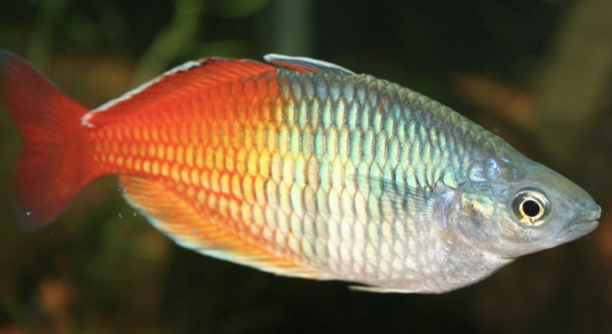
Rainbow fish are captivating creatures, often admired for their vibrant colors. Their behavior can be intriguing, especially when it comes to social interactions. Understanding how they express affection helps in creating a healthy aquarium environment.
Rainbow fish may show affection through physical displays such as swimming close to one another, mirroring each other’s movements, or engaging in gentle nipping. These behaviors indicate social bonding, where fish interact as part of their group dynamic.
Learning to identify these behaviors can help you ensure your fish’s well-being. Understanding their social cues will make it easier to provide the right care and environment for your rainbow fish.
Understanding Rainbow Fish Behavior
Rainbow fish have distinct personalities that shine through in their interactions. While they may not express affection in the same way as mammals, their social behavior reveals a lot. These fish form groups, and in these groups, they show affection through their movement and proximity. They often swim close to one another, especially during feeding times or when they feel secure in their environment. You might notice rainbow fish mimicking each other’s movements, swimming in tandem as a way to bond. This synchronized behavior is a sign of trust and a key part of their social structure.
These fish can also engage in gentle nipping as a way to establish dominance or to maintain harmony within the group. While this can seem harsh, it’s a natural part of their behavior that helps keep the social balance intact. Over time, observing these behaviors helps you understand the different ways rainbow fish show care for each other.
Rainbow fish are peaceful but social. They thrive in groups where they can interact and form bonds. By providing them with a well-maintained tank and space to explore, you can encourage these social behaviors to flourish.
The Role of Environment in Social Bonding
The environment plays a crucial role in how rainbow fish show affection. Fish that are kept in poorly maintained tanks or isolated conditions may not exhibit the same level of social interaction. When they are provided with plenty of space, clean water, and an environment that mimics their natural habitat, they are more likely to engage in affectionate behaviors. This can include swimming together or sharing the same resting areas.
A well-planted aquarium or one with hiding spots for the fish to feel safe helps encourage these bonding behaviors. Rainbow fish are less likely to feel stressed or threatened when they have places to explore or retreat. When these factors are in place, rainbow fish can live peacefully in groups, showing affection through their daily routines and interactions with one another. Providing a comfortable environment is essential for fostering these connections and maintaining their well-being.
Signs of Affection in Rainbow Fish
Rainbow fish display affection through behaviors like staying close to one another, mirroring movements, or swimming in synchrony. These signs show their bond and social structure, which are vital for their mental and physical well-being.
When rainbow fish are comfortable, they often share the same space in the tank, whether it’s hiding spots or open areas. This proximity indicates trust and affection within the group. Additionally, the fish may swim in parallel or in close formations, a way of bonding through physical connection. These interactions strengthen their social ties.
A change in this behavior, like fish staying apart or swimming erratically, could be a sign of stress or discomfort. Maintaining the right conditions, including water quality and tank setup, will encourage these affectionate behaviors. It’s important to observe your fish regularly to ensure they continue to interact positively.
Importance of Group Dynamics
Rainbow fish are social animals and thrive in groups. Their behavior changes when they are kept alone or in small numbers. Without others of their kind, they may exhibit signs of stress, including hiding or lethargy. A group setting allows them to interact naturally, showing affection in various ways.
The presence of other fish also promotes healthy competition and hierarchy, which contributes to their overall well-being. Social structure is important to rainbow fish, as they rely on these relationships for both physical and mental health. They often swim together, form alliances, and even display subtle acts of affection like nipping. With the right tank setup, rainbow fish can form strong social bonds that enhance their happiness and longevity.
This behavior is natural in the wild, where fish live in schools. Recreating this social environment in a home aquarium will allow rainbow fish to thrive.
How to Encourage Affectionate Behavior
To encourage affectionate behavior, provide rainbow fish with a comfortable and stimulating environment. Tank setup matters—planted areas, hiding spots, and open swimming spaces allow the fish to feel secure and interact with each other. Clean water is equally important to prevent stress.
Regular water changes, a balanced diet, and appropriate tank mates also promote social interaction. Fish that are well-fed and in good health will show more positive behaviors towards one another. Keeping the tank environment consistent helps reduce stress and encourages natural bonding.
By mimicking their natural habitat as much as possible, you’ll help your rainbow fish feel safe, which encourages affectionate behaviors such as swimming together and interacting peacefully.
How Social Bonds Affect Health
Social bonding in rainbow fish impacts their physical health. Fish that interact positively with one another tend to be more active and healthier overall. Regular interaction and companionship reduce stress, which is known to weaken the immune system and lead to illnesses.
Maintaining a balanced social environment helps prevent aggressive behavior and isolation. Fish that are kept alone or in small groups may experience depression or increased stress levels. This can negatively affect their appetite, leading to weakened immune systems and a higher susceptibility to disease. Social bonds, on the other hand, promote stronger fish that are better able to thrive.
Creating a harmonious environment in the tank reduces these risks. By ensuring your fish have enough space and companionship, they are more likely to stay active and healthy, showing more affectionate behaviors.
The Role of Tank Size
Tank size plays a significant role in how rainbow fish interact with one another. A tank that is too small can cause stress and limit their ability to form natural bonds. A larger tank provides more room for swimming and allows multiple fish to establish their space without feeling cramped.
A spacious tank also helps in reducing territorial aggression, which can hinder social bonding. Providing enough room encourages fish to swim freely and interact naturally, fostering affection. Ideally, a 30-gallon tank is a good starting point for a small group of rainbow fish.
When tank space is adequate, fish will be less likely to compete for territory, allowing them to focus on social interaction. A well-sized tank also allows for proper water circulation and filtration, which are essential for their overall well-being.
FAQ
Do rainbow fish show affection to other fish?
Yes, rainbow fish do show affection, but not in the same way humans or mammals might. They express affection through social behaviors such as swimming together, mirroring each other’s movements, and staying close. These actions help build bonds and are essential for their social structure. Fish that interact positively with each other tend to have stronger bonds and a more peaceful aquarium environment.
How can I tell if my rainbow fish are happy?
Happy rainbow fish are active and social. They will swim in groups and interact with each other, especially when the environment is well-maintained. Healthy, happy fish also show vibrant colors and display natural behaviors like foraging, swimming, and exploring their tank. If your fish are hiding constantly or swimming erratically, it could be a sign they are stressed or unhappy.
Can rainbow fish live alone?
Rainbow fish are social creatures and thrive in groups. Keeping them alone can cause stress, as they naturally prefer to interact with others of their kind. Fish that are isolated may display signs of anxiety or depression, such as reduced activity, loss of appetite, and lethargy. Keeping at least five to six rainbow fish together will ensure they feel more secure and comfortable, encouraging natural social behaviors.
What are the signs that my rainbow fish are stressed?
Stressed rainbow fish may exhibit a range of behaviors. Common signs include hiding more than usual, erratic swimming, or aggression towards tank mates. Stressed fish may also lose their vibrant colors, become lethargic, or even refuse to eat. Stress in rainbow fish is often caused by poor water quality, overcrowding, or incompatible tank mates. Regular maintenance and monitoring of tank conditions can help prevent these issues.
How often should I feed my rainbow fish?
Rainbow fish should be fed once or twice a day, depending on their size and activity level. Overfeeding can lead to poor water quality, so it’s essential to provide only what they can consume in a few minutes. A varied diet of high-quality flake food, pellets, and occasional live or frozen foods can help keep them healthy and active.
Can rainbow fish live with other species?
Rainbow fish are generally peaceful and can live with many other species. However, it’s important to choose tank mates that have similar temperaments and water requirements. Avoid aggressive fish or species that might outcompete them for food. Good tank mates include peaceful species like tetras, other small fish, and invertebrates. Ensure that the tank is large enough to accommodate all species comfortably to reduce territorial behavior.
Do rainbow fish need a filter in their tank?
Yes, rainbow fish need a filter to maintain water quality. A good filtration system helps remove waste, excess food, and harmful chemicals from the water, ensuring that the environment remains clean and healthy. Regular water changes are also essential, but a filter helps maintain a stable environment that supports the fish’s health and behavior.
How do I create a comfortable environment for rainbow fish?
To create a comfortable environment for rainbow fish, focus on water quality, temperature, and tank setup. Keep the water temperature between 72°F and 79°F (22°C to 26°C) and ensure the pH is slightly acidic to neutral (6.5 to 7.5). The tank should have plenty of swimming space, with plants and hiding spots to mimic their natural habitat. Regular water changes and good filtration are also crucial for a healthy aquarium environment.
Are rainbow fish easy to care for?
Rainbow fish are relatively easy to care for compared to other aquarium species. They are hardy, adaptable, and not particularly demanding. However, they do require proper water conditions, a balanced diet, and a peaceful social environment. Ensuring the right tank size and water parameters will help maintain their health and encourage affectionate behaviors.
Why are my rainbow fish not swimming together?
If your rainbow fish are not swimming together, it could be a sign of stress or discomfort. It may also indicate that the tank is too small, or the fish are not feeling secure. Inadequate water conditions, aggression from other tank mates, or a lack of hiding spots could also cause them to separate. Ensuring a stable, well-maintained environment with enough space can encourage them to form groups and interact more closely.
What tank size do rainbow fish need?
Rainbow fish need a tank that is large enough for them to swim freely and interact with one another. A minimum of 30 gallons is recommended for a small group of rainbow fish, though a larger tank will provide more space for them to thrive. A spacious tank helps prevent stress, reduces aggression, and allows the fish to establish natural social structures.
Can rainbow fish breed in a home aquarium?
Yes, rainbow fish can breed in a home aquarium if the conditions are right. To encourage breeding, provide plenty of hiding spots and ensure the water temperature is slightly warmer, around 78°F (26°C). Rainbow fish lay eggs, and the eggs hatch within a few days. However, breeding may not always be successful without the proper environment, such as a separate breeding tank to protect the eggs from other fish.
What are the best tank mates for rainbow fish?
Rainbow fish do well with other peaceful species that have similar water requirements. Tetras, barbs, and other small schooling fish are good choices. Avoid keeping them with aggressive or overly large fish that may stress them out or outcompete them for food. Ensure that tank mates are compatible in size, temperament, and water needs.
How do I reduce aggression in rainbow fish?
To reduce aggression in rainbow fish, maintain a balanced and spacious tank environment. Overcrowding can lead to territorial disputes and stress. Providing plenty of hiding spots, plants, and swimming space can help reduce conflicts. Additionally, keeping a group of rainbow fish together helps spread out aggression, as they form natural social structures and hierarchies.
Final Thoughts
Rainbow fish can be affectionate in their own way, though their behavior is quite different from that of mammals. They form social bonds with their tank mates, often swimming together and interacting in peaceful ways. These behaviors are key indicators that your fish are comfortable in their environment. Ensuring that your rainbow fish are well cared for and live in a tank that mimics their natural habitat will help them form these bonds. When the fish feel secure, they are more likely to exhibit affection towards each other.
Caring for rainbow fish requires attention to detail. Their environment, diet, and social structure all play significant roles in their behavior. A spacious tank with enough hiding spots, plants, and proper filtration will allow them to thrive. Keeping a stable water temperature and maintaining good water quality are essential for reducing stress and promoting natural behaviors. Feeding them a varied diet of high-quality food also supports their health and helps them remain active and social. A well-balanced environment encourages rainbow fish to form positive interactions, making it easier to witness affectionate behaviors.
In conclusion, rainbow fish are social creatures that show affection in their own way. With the right care and tank conditions, they will interact with each other peacefully and form bonds. While they may not show affection like humans or some other pets, their behaviors indicate a strong level of comfort and security. Ensuring that your rainbow fish are part of a healthy, well-maintained environment will encourage them to thrive and display affectionate behaviors towards one another.

Hello,
If you enjoy the content that we create, please consider saying a "Thank You!" by leaving a tip.
Every little bit helps us continue crafting quality advice that supports the health, happiness, and well-being of pets around the world, for pets of all shapes, sizes, and species.
We really appreciate the kindness and support that you show us!