
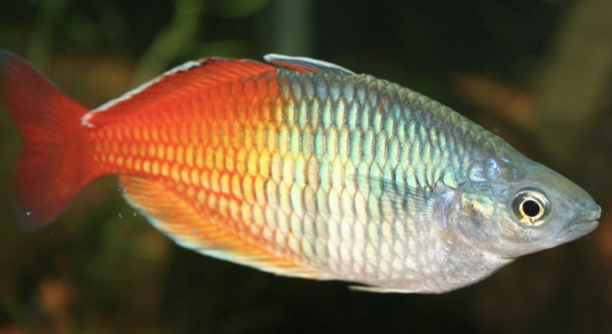
Rainbow fish are vibrant creatures that are often admired for their beauty. These fish are commonly found in aquariums and have fascinating behaviors. One of the many things that catch people’s attention is how they react to different stimuli, such as flashing lights.
Rainbow fish respond to flashing lights, typically exhibiting a range of reactions, including increased swimming activity and possible stress. This response may vary based on the intensity and frequency of the light flashes in their environment.
Understanding how rainbow fish respond to flashing lights can help improve their care. This knowledge can contribute to creating a more comfortable and suitable environment for these colorful fish.
How Flashing Lights Affect Rainbow Fish
Flashing lights are a common feature in aquariums, but their effect on rainbow fish can be more significant than many expect. These fish are sensitive to sudden changes in their environment, and flashing lights can stress them out. Fish, especially those that live in tanks with various decorations, tend to rely on their surroundings to feel safe and secure. A sudden light change can confuse or startle them. When exposed to flashing lights over time, they may become more aggressive or withdrawn.
Some aquarium owners enjoy using flashing lights for aesthetic purposes, believing it adds an interesting dynamic to the tank. However, it’s essential to consider how this affects the well-being of the fish. Too much stimulation can alter their natural behavior. This overstimulation can disrupt their routine, which may affect their health and lifespan. In turn, their immune system could weaken, leaving them vulnerable to diseases. It’s crucial to strike a balance and avoid frequent light changes.
Fish thrive in a calm environment, with gradual changes that don’t disturb their peaceful living conditions. Flashing lights may look beautiful, but they can make the fish feel anxious. If you do use lights, consider using soft, steady lighting instead of frequent flashes.
Creating the Right Environment
Providing the right environment for your rainbow fish ensures their health and happiness. Consistent lighting is one of the key factors in maintaining that balance.
When setting up your aquarium, consider using adjustable light settings. This allows you to avoid sudden shifts in brightness that might stress the fish. Also, try using a timer to regulate the light exposure during the day and night. It’s beneficial to replicate natural light cycles for your fish. A steady light source helps them feel secure and reduces the chances of stress.
Impact of Flashing Lights on Rainbow Fish Behavior
Flashing lights can change how rainbow fish act, often causing them to swim more erratically or hide. This is because their natural instincts are disrupted. They may feel threatened, and sudden light changes can lead to anxiety or confusion.
Rainbow fish are naturally curious but can become more anxious if the environment is unpredictable. Flashing lights can disturb their sense of security, especially in tanks with multiple fish. If they constantly feel startled, they may hide more often, reducing their overall activity level. This change can impact their feeding habits and social interactions with other fish in the tank.
It’s important to note that while fish may tolerate brief exposure to flashing lights, prolonged stimulation can lead to chronic stress. Stress weakens their immune system and can cause health issues. As a result, it’s better to keep the lighting consistent and avoid intense flashing for the well-being of your rainbow fish.
Health Risks Linked to Flashing Lights
Excessive flashing lights can negatively impact rainbow fish health. Chronic stress from sudden light changes can weaken their immune system, making them more susceptible to diseases.
When fish are under constant stress, they may not eat properly, leading to nutritional deficiencies. Their behavior can also change, with some fish becoming more aggressive or reclusive. Over time, this can reduce their lifespan and overall quality of life. To prevent this, it’s essential to provide a stable and calm environment, which includes monitoring lighting carefully. Maintaining steady light levels that mimic natural conditions will promote healthier, happier fish.
Ways to Reduce the Impact of Flashing Lights
To minimize stress, reduce the intensity and frequency of flashing lights. Opt for softer lighting that doesn’t change abruptly. Fish benefit from lighting that stays consistent throughout the day.
Using a timer can help create a more natural lighting schedule. This allows the fish to experience gradual changes in light, mimicking the natural cycles of day and night. Avoid sudden flashes and adjust the lighting gradually to help them adapt.
Benefits of Proper Lighting for Rainbow Fish
Proper lighting not only prevents stress but can also encourage healthy behavior. It helps maintain a routine, making it easier for the fish to feed and interact with tankmates.
Consistent lighting allows fish to feel more comfortable, reducing anxiety and promoting social interaction. They are more likely to swim freely and explore the tank, which is vital for their mental stimulation. Healthy fish thrive in environments that resemble their natural habitat. With proper lighting, they’re less likely to hide or become overly aggressive.
FAQ
Do rainbow fish like bright lights?
Rainbow fish generally prefer softer, steady lighting. Bright or flashing lights can cause stress and disrupt their behavior. In their natural environment, these fish live in areas with indirect sunlight, where the light is not too harsh. Too much brightness can make them feel uncomfortable and anxious, affecting their health. For their well-being, it’s best to provide lighting that mimics the natural light levels of their habitat, which is more subdued than bright, artificial lighting.
Can flashing lights harm my rainbow fish?
Yes, flashing lights can harm your rainbow fish. These sudden bursts of light may cause anxiety, making the fish swim erratically or hide. This kind of stress can weaken their immune system over time, leaving them vulnerable to diseases. Additionally, excessive stress may lead to behavioral changes such as aggression or lethargy. Keeping the lighting steady and consistent helps create a healthier environment for your fish, reducing the chances of stress-related health issues.
How do flashing lights affect rainbow fish’s behavior?
Flashing lights can cause rainbow fish to react by swimming more rapidly or erratically. They may also retreat into hiding spots, avoiding the light. Continuous exposure to flashing lights can lead to long-term stress, which can alter their normal social behavior and feeding habits. Healthy, active fish are more likely to explore and interact with each other, but stress from flashing lights can make them less social and more withdrawn.
What lighting is best for rainbow fish?
The best lighting for rainbow fish is soft, steady, and not too intense. Lighting that mimics the natural environment—such as a gentle light that gradually changes throughout the day—is ideal. Aquarium lights should be set on a timer to simulate a day-night cycle, promoting a stable routine. If possible, avoid harsh lighting and flashing lights, as they can cause stress and negatively affect your fish’s health.
How much light should rainbow fish have?
Rainbow fish typically need about 8 to 12 hours of light each day. Too little light may cause them to feel disoriented, while too much light can lead to stress. A consistent day-night cycle is important, and using a timer to regulate light helps maintain a natural rhythm. Keeping the light levels moderate allows the fish to thrive, as it gives them enough exposure to light without overwhelming them.
Are rainbow fish sensitive to sudden changes in lighting?
Yes, rainbow fish are quite sensitive to sudden changes in lighting. Flashing or sudden shifts in light intensity can confuse and stress them. Fish rely on their environment to feel secure, and abrupt lighting changes can disrupt their sense of safety. To avoid this, it’s best to keep lighting changes gradual and predictable. A timer can help ensure the transition between light and dark is smooth and gentle.
Should I use colored lights for rainbow fish?
Colored lights are not necessary for rainbow fish and may even cause stress if used improperly. These fish are more comfortable with natural, white light or gentle blues that replicate their environment. Brightly colored lights or constant changes in color can interfere with their daily routine and make them uneasy. Stick to natural or soft lighting to maintain a calm atmosphere.
Can rainbow fish live in low light conditions?
Rainbow fish can tolerate lower light levels but still require some light to stay healthy. A completely dark environment would not be ideal for them. They need a balanced amount of light to regulate their daily rhythms and feed properly. While low light is okay for short periods, maintaining a moderate amount of light for 8-12 hours a day is necessary for their overall well-being.
How do I know if my rainbow fish are stressed by the lighting?
If your rainbow fish are stressed by the lighting, they may start to show signs like erratic swimming, hiding more than usual, or losing their appetite. They might also become more aggressive toward tankmates or stop interacting socially. If you notice these signs, it could be due to the lighting, and it’s a good idea to adjust the light settings to something softer or more consistent.
Can I use flashing lights to attract my rainbow fish?
Using flashing lights to attract rainbow fish is not recommended. While they may be curious about sudden changes in their environment, flashing lights can cause stress and discomfort. It’s better to attract them with food or other methods that don’t disrupt their sense of safety. Gradual, steady lighting will keep them more comfortable and ensure they’re not stressed by unnecessary stimuli.
Are there any specific lighting types that are best for aquarium use with rainbow fish?
LED aquarium lights are a popular choice for rainbow fish, as they offer adjustable settings that allow you to control brightness and color. LEDs are energy-efficient and provide long-lasting lighting without generating too much heat. A good LED system can be set on a timer to replicate the natural day-night cycle, ensuring your fish get the right amount of light without stressing them. Always avoid lights that are too harsh or have sudden flickers.
Final Thoughts
Caring for rainbow fish involves more than just providing food and clean water. It also includes understanding how different environmental factors affect their well-being, such as lighting. While rainbow fish are known for their colorful and active nature, they can be quite sensitive to sudden changes, especially when it comes to lighting. Flashing or bright lights can lead to stress, which, over time, can impact their health and behavior. To create the best possible environment for them, it’s essential to use consistent, soft lighting that mimics natural conditions.
When it comes to setting up an aquarium, paying attention to the lighting is just as important as water quality or tank decorations. A steady light cycle, with gradual transitions from day to night, will help keep your rainbow fish comfortable. Avoiding flashing lights or sudden intensity changes ensures that the fish can thrive without unnecessary stress. Using timers to control the lighting can also be a helpful tool in mimicking the natural light patterns they would experience in the wild. It may seem like a small detail, but lighting plays a significant role in creating a peaceful and healthy environment for your fish.
In the end, a well-balanced lighting system not only supports the physical health of your rainbow fish but also allows them to exhibit their natural behaviors. With proper care and attention to their lighting needs, rainbow fish can live long, happy lives in your aquarium. By avoiding overstimulation from flashing lights and providing steady, gentle lighting, you will help create a tank where your fish feel secure and comfortable. Ensuring they have the best environment possible is key to fostering their well-being and watching them flourish.

Hello,
If you enjoy the content that we create, please consider saying a "Thank You!" by leaving a tip.
Every little bit helps us continue crafting quality advice that supports the health, happiness, and well-being of pets around the world, for pets of all shapes, sizes, and species.
We really appreciate the kindness and support that you show us!