
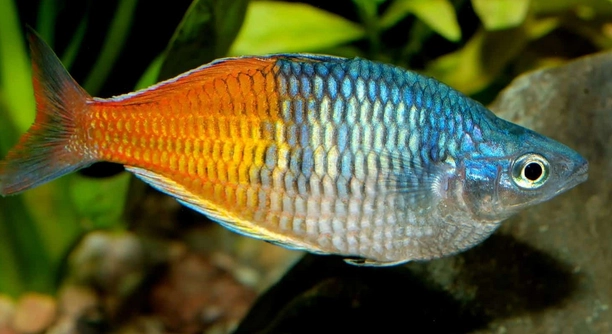
Rainbow fish are a popular aquarium choice, admired for their vibrant colors and lively nature. Understanding their behaviors can help improve their care. One common question among aquarium enthusiasts is whether these fish remember past tankmates.
Research suggests that rainbow fish do not have the same memory capabilities as some other species, such as larger fish or mammals. Their memory is more focused on immediate survival needs, and they are unlikely to remember specific tankmates long-term.
As you continue reading, you’ll learn more about the science behind their memory and what it means for your aquarium setup.
Do Rainbow Fish Have Long-Term Memory?
Rainbow fish, like many other species, are known for their colorful appearance and active swimming. However, when it comes to memory, they don’t appear to retain long-term recollections of past experiences or interactions. This means that once a tankmate leaves or changes, the rainbow fish likely won’t recall the individual in future encounters. Their memory function seems to be more geared toward immediate needs, such as finding food or avoiding threats. This behavior is typical of many smaller fish species whose survival instincts are prioritized over social connections. While they can learn certain things, like associating a particular area with food, remembering specific tankmates is not within their behavioral range.
The memory of rainbow fish is short-term, focused more on environmental factors like food sources and danger. Unlike species that form bonds or exhibit complex social behavior, these fish rely on instinct rather than long-term memory.
Despite their limited memory, rainbow fish do interact with each other based on current behaviors. Their interactions can appear lively and social, but this is often driven by instinct rather than familiarity. They may explore and swim in schools when they feel safe, but they don’t form lasting bonds with other fish.
Do Rainbow Fish Recognize Tankmates?
While rainbow fish don’t remember past tankmates, they are very attuned to their immediate environment. These fish can detect changes in the tank, whether it’s the addition of new fish or the rearrangement of plants.
This heightened sensitivity means that if a new fish is introduced, they may respond to it by exhibiting territorial behavior or adjusting their social patterns. Their interactions may vary from neutral to slightly aggressive depending on the dynamics of the tank and their previous experiences.
Understanding the behavior of rainbow fish in a community tank is essential for maintaining a peaceful environment. Though they don’t form long-lasting memories of tankmates, their ability to adjust to new situations can influence the overall tank dynamic. Ensuring that the tank is well-structured, with plenty of hiding spots and space, helps reduce stress and aggression.
How Does a Rainbow Fish’s Memory Compare to Other Species?
Rainbow fish have a much more limited memory capacity than species with larger brains. Their short-term memory is focused on survival instincts, like recognizing potential food sources or danger. In contrast, more advanced fish, such as cichlids, can remember past tankmates or interactions.
For rainbow fish, their memory retention isn’t built for long-term social connections or remembering individual tankmates. Their primary survival function revolves around immediate threats and opportunities. This makes them less capable of forming long-term bonds, unlike other fish that may recognize tankmates based on prior experiences. This doesn’t make them less interesting; it’s just a different behavioral pattern.
Even though their memory is short-term, rainbow fish still interact with their environment in meaningful ways. They may swim together in groups or react to changes in the tank. These behaviors are instinctive, driven by current conditions rather than recollections of past interactions. Their memory structure is simply more geared toward practical survival than forming complex social bonds.
Why Rainbow Fish Don’t Form Bonds with Tankmates
Rainbow fish do not form emotional or social bonds in the way some other fish species do. Unlike species such as goldfish or bettas, which can develop a sense of attachment, rainbow fish operate on instinct.
Their interactions are driven more by their need for safety and food rather than the recognition of specific individuals. They will swim in groups when they feel secure, but this behavior is largely about staying safe from predators and making sure they find enough resources. As they do not remember past tankmates, their group dynamics can change quickly when new fish are introduced or removed.
Their behavior is primarily focused on the present moment, which means that even if you add or remove tankmates, it won’t have a lasting effect on how the rainbow fish behave toward one another. They are more focused on maintaining their own well-being, rather than recalling past interactions or forming lasting relationships.
How to Manage Tankmates for Rainbow Fish
Since rainbow fish don’t form long-term bonds, introducing new tankmates is relatively simple. They’re not likely to remember prior interactions, so any changes to the tank’s inhabitants can be managed without worrying about emotional reactions.
However, to avoid stress, it’s important to observe their behavior during the first few days after introducing a new fish. While they don’t remember past interactions, they can become territorial, especially when new fish are added. To keep the tank environment peaceful, add fish of similar size and temperament.
This will allow them to settle into their new surroundings without undue stress or aggression. Rainbow fish are naturally social, but they are more interested in finding food and maintaining their own space rather than bonding with others.
Tank Setup for Rainbow Fish
A well-structured tank helps minimize stress for rainbow fish. The addition of plants and decorations gives them hiding spots, helping them feel secure. This way, they can retreat if they feel threatened. A tank with enough space and hiding spots reduces aggressive behaviors and keeps the fish calm.
Can Rainbow Fish Recognize Their Owners?
Rainbow fish do not appear to recognize their owners. Unlike some species that can form connections with humans, rainbow fish are driven by instincts and environmental factors. They are unlikely to associate you with food or safety.
FAQ
Do rainbow fish have any memory at all?
Rainbow fish have short-term memory, mainly focused on survival. They remember immediate needs such as finding food or avoiding threats, but they do not retain memories of past interactions with tankmates or past events. Their memory is geared more toward basic survival functions.
Can rainbow fish form friendships with other fish?
Rainbow fish do not form friendships or lasting bonds with other fish. Their social interactions are driven by instinct, not recognition. They may swim together in groups for safety, but they don’t develop emotional connections like other species might.
How long do rainbow fish live?
Rainbow fish typically live for around 3 to 5 years, though some species may live slightly longer. Their lifespan can be influenced by factors such as water quality, diet, and tank conditions. Proper care can help ensure they reach their full potential lifespan.
Can rainbow fish live with other species?
Rainbow fish are generally peaceful and can live with many other species, especially those of similar size and temperament. It’s important to avoid aggressive or overly territorial species, as this can lead to stress and injury. Always consider the needs and behaviors of other fish before adding them to the tank.
Do rainbow fish get lonely in a tank?
Rainbow fish do not experience loneliness in the same way humans or other animals might. They are more concerned with their immediate environment and survival. While they do enjoy swimming in groups, they don’t form emotional bonds and won’t suffer from isolation.
What should I feed rainbow fish?
Rainbow fish are omnivores and do well on a varied diet. They can be fed high-quality flake food, pellets, and frozen or live foods such as brine shrimp, daphnia, and bloodworms. A balanced diet helps maintain their vibrant colors and overall health.
How can I tell if my rainbow fish are stressed?
Stress in rainbow fish may be indicated by erratic swimming, loss of appetite, or hiding more than usual. Changes in coloration or fins clamping close to the body may also be signs of stress. If stress persists, it’s important to check water quality, temperature, and tank mates.
Do rainbow fish prefer a specific type of water?
Rainbow fish prefer slightly acidic to neutral water (pH 6.5 to 7.5) and a temperature range between 72°F to 78°F (22°C to 26°C). Proper water quality is essential to their health. They also thrive in clean water with low levels of ammonia and nitrites.
How many rainbow fish should I keep together?
Rainbow fish are social and do best in groups of at least 5 to 6 individuals. A small group allows them to feel secure and reduces territorial behavior. However, the size of the tank should be considered when deciding how many fish to keep, as overcrowding can lead to stress.
Can rainbow fish live with bettas?
Rainbow fish can generally live with bettas, but caution is needed. Bettas are known for being territorial, especially males. It’s important to observe the behavior of both species. If aggression occurs, it may be best to separate them. Rainbow fish are usually peaceful, but they can be chased or bullied by aggressive tankmates.
Do rainbow fish prefer planted tanks?
Rainbow fish enjoy tanks with plenty of plants and hiding spots. Plants provide security and mimic their natural environment, where they can find shelter from predators. Live plants also help maintain water quality by absorbing excess nutrients. A well-planted tank contributes to both the fish’s well-being and the tank’s aesthetic.
Are rainbow fish easy to breed?
Breeding rainbow fish is possible but can be challenging. They require specific conditions, such as pristine water and a well-maintained tank. To breed, a separate breeding tank with soft, acidic water is often necessary. Once eggs are laid, they hatch within a few days, and the fry must be cared for carefully.
Do rainbow fish change color?
Yes, rainbow fish can change their colors, especially when stressed or during mating displays. In general, their vibrant hues become more pronounced when they feel secure and healthy. Poor water quality or illness can dull their colors. Maintaining optimal tank conditions helps keep them looking their best.
Can rainbow fish tolerate saltwater?
Rainbow fish are freshwater species and should not be kept in saltwater. Some species of rainbow fish, however, can tolerate brackish water in the wild, but they are not considered true saltwater fish. Freshwater conditions are best for their long-term health and well-being.
How do I know if my rainbow fish is healthy?
A healthy rainbow fish should have vibrant colors, clear eyes, and active swimming behavior. They should also have smooth, unblemished scales and fins. Any signs of lethargy, loss of color, or visible lesions could indicate illness and should be addressed promptly. Regular water changes and a good diet help maintain their health.
What is the ideal tank size for rainbow fish?
The ideal tank size for rainbow fish is at least 30 gallons. A larger tank is better, especially if you plan on keeping a group of them. Larger tanks provide more space for swimming and help maintain stable water conditions, reducing stress and improving the overall health of the fish.
Final Thoughts
Rainbow fish are fascinating creatures that add color and liveliness to any tank. While they may not have the ability to form deep emotional bonds with other fish, their social nature means they enjoy the company of their kind. Rainbow fish are adaptable and peaceful, making them suitable for a variety of community tanks. Their ability to live with many different species, when carefully selected, allows for a diverse and harmonious aquarium setup. However, to ensure their well-being, it’s important to provide them with an appropriate environment.
Maintaining a healthy tank is key to the overall success of keeping rainbow fish. Clean water, a proper diet, and suitable tankmates are essential to keeping these fish thriving. Rainbow fish are relatively low-maintenance but will need some attention to water quality and tank conditions. They benefit from a well-planted environment with plenty of space to swim and explore. The right water parameters, such as a slightly acidic pH and stable temperature, should also be monitored regularly. These factors play a large role in their health, making it important to stay on top of tank upkeep.
In conclusion, rainbow fish are a wonderful addition to freshwater aquariums, offering vibrant colors and dynamic movement. They do not have long-term memories or emotional bonds, making their interactions with other fish more neutral than some species. However, with the proper care, they will thrive in your tank and bring life to the underwater world you’ve created. Understanding their basic needs and being attentive to their environment will ensure that they remain healthy and active, adding beauty to your aquarium for years to come.

Hello,
If you enjoy the content that we create, please consider saying a "Thank You!" by leaving a tip.
Every little bit helps us continue crafting quality advice that supports the health, happiness, and well-being of pets around the world, for pets of all shapes, sizes, and species.
We really appreciate the kindness and support that you show us!