
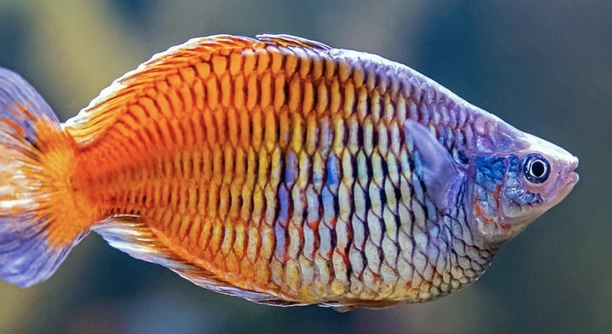
Have you ever noticed your rainbow fish swimming close to the same tankmates or reacting differently to certain ones over time?
Rainbow fish are capable of recognizing familiar tankmates through visual cues and repeated social interactions. This behavior supports the formation of loose social hierarchies and reduces aggression, contributing to a more stable and cooperative group environment.
These subtle interactions may help create a peaceful tank and improve overall fish health through reduced stress and social familiarity.
How Rainbow Fish Interact with Each Other
Rainbow fish are naturally active and social, often seen swimming in small schools. In a home aquarium, they begin to recognize familiar faces among their tankmates. Over time, this recognition helps reduce aggressive behavior, especially during feeding or mating periods. They use their vision and body language to identify familiar patterns, movements, and colors. This social memory makes their group dynamics more stable and less stressful. Rainbow fish also tend to follow tankmates they are familiar with, especially during exploratory swimming. These behaviors aren’t just random—they help the fish feel secure in their environment. Proper tank size, clean water, and balanced groups support this social behavior. Observing their interactions can be both calming and informative, showing how consistent social contact helps build harmony in the tank. Watching them form peaceful groups, swim together, and avoid conflict over time is a sign of healthy recognition among rainbow fish.
They become more relaxed and interactive with others when surrounded by tankmates they recognize and trust.
Visual recognition plays the biggest role in this process. Rainbow fish rely heavily on their eyes to distinguish between individuals. They focus on shapes, patterns, and swimming behavior to tell one another apart.
What This Means for Your Tank
It’s helpful to keep rainbow fish in stable groups with consistent tankmates to support this social recognition.
Mixing species too often or adding and removing fish repeatedly can interrupt their sense of familiarity and increase stress. It’s best to let them settle into a group over time. Rainbow fish often establish roles and routines once they become familiar with each other. These patterns reduce tension and help prevent issues like chasing or nipping. A consistent environment also allows for natural behavior to develop, including synchronized swimming and gentle communication movements. Providing plenty of space, cover, and clean water keeps them feeling secure. Avoid overcrowding, as it makes it harder for fish to identify one another, leading to confusion and occasional squabbles. Use lighting that doesn’t overly distort their natural colors, since recognition relies on visual cues. A calm tank makes it easier for rainbow fish to continue forming social bonds and stay active. Paying attention to their habits can help maintain a peaceful group dynamic without unnecessary changes or disruptions.
How Recognition Affects Behavior
Familiar tankmates help rainbow fish feel safe, reducing the need for dominant displays or chasing. When they know who they’re swimming with, they tend to stay calm, explore more, and show smoother movement as a group.
Rainbow fish often develop swimming patterns that involve synchronized motions with tankmates they recognize. This behavior supports group cohesion and limits aggression. You may notice them moving in loose formations or gathering during feeding times with those they know. These small social structures make the aquarium more peaceful. Recognition also reduces the stress linked with constantly adapting to new tankmates. Less stress means healthier immune systems and brighter colors. If you watch closely, you might see how some fish prefer to swim next to certain individuals more often. These preferences are not random—they reflect familiarity and trust built over time through repeated interactions in a stable tank environment.
They also communicate using small body movements, fin displays, and changes in swimming speed. Recognizing who they are interacting with helps them respond appropriately to these signals. Social cues are better understood when fish are familiar with each other. It helps them avoid misunderstandings that could otherwise lead to chasing or discomfort. This promotes a steady, low-stress tank environment.
Why Tank Setup Matters
Tank layout affects how well rainbow fish interact and recognize one another. A spacious setup with hiding spots, open swimming areas, and proper lighting allows visual recognition to work smoothly. It also reduces competition for space.
Overcrowded tanks make it harder for rainbow fish to maintain visual contact with familiar individuals. When they are constantly surrounded by new fish or shifting groups, their recognition patterns become disrupted. This can lead to confusion and mild aggression. A balanced setup helps prevent this. Keep enough space between decorations to allow natural group swimming. Soft lighting enhances their ability to see patterns and colors on others, which supports recognition. Aim for six or more rainbow fish to allow social behavior to develop fully. Maintaining stable water conditions and avoiding frequent changes in tankmates helps build familiarity. A calm setup allows them to focus more on interaction and less on competition, promoting a healthy group structure.
How Stress Impacts Recognition
Stress interferes with a rainbow fish’s ability to recognize familiar tankmates. Loud noises, poor water quality, or sudden changes in lighting can affect their focus and social memory, making them more reactive and less interactive.
When stress levels rise, fish may isolate themselves or become more aggressive. This disrupts normal group behavior and weakens social bonds.
Observing Familiarity in Action
You’ll notice rainbow fish swimming more closely with familiar individuals and avoiding newcomers. They may also feed side-by-side with tankmates they know, showing fewer signs of competition or aggression. Over time, repeated peaceful interactions indicate recognition.
Keeping the Group Stable
Avoid removing or replacing fish frequently. A stable group helps rainbow fish stay calm, build trust, and maintain healthy behavior over time.
FAQ
Do rainbow fish remember each other?
Yes, rainbow fish can remember and recognize their tankmates over time. This recognition comes from visual cues, patterns, and repeated interactions. Once they become familiar with each other, their social behavior becomes more predictable, leading to less aggression and smoother group dynamics.
How can I tell if my rainbow fish recognize each other?
You’ll notice that rainbow fish begin to swim closely with certain tankmates, often in a loose formation. They might also display less aggression towards familiar fish, even during feeding or when exploring the tank. Over time, these groupings will become more consistent. This behavior reflects social bonds and recognition.
Can rainbow fish get stressed when new tankmates are added?
Yes, introducing new tankmates can cause stress for rainbow fish. They rely on familiar fish to reduce anxiety and maintain social order. A sudden change in the tank population can disrupt their established group dynamics, leading to increased aggression or hiding behaviors as they adjust to new individuals.
How long does it take for rainbow fish to recognize each other?
It typically takes a few weeks for rainbow fish to fully recognize each other. During this time, they will form their social bonds through constant interaction. Familiarity develops as they begin to rely on each other for safety and comfort, reducing the chances of aggression.
Do rainbow fish have social hierarchies?
Rainbow fish don’t form strict social hierarchies like some other species, but they do exhibit dominance behaviors. The most dominant fish may display more control over certain areas of the tank or feeding time. Recognition helps reduce aggression by maintaining a stable social structure within the group.
Can rainbow fish live alone?
While rainbow fish can technically live alone, they thrive better in groups. Being social fish, they feel more secure and active when surrounded by others of their kind. Keeping them in groups of at least six helps prevent loneliness and reduces stress, leading to healthier fish in the long run.
Should I add more rainbow fish to my tank to help them recognize each other?
Yes, adding more rainbow fish can help create a more stable social structure. A larger group allows for better social interactions and recognition. However, ensure your tank is large enough to accommodate them comfortably to avoid overcrowding, which could cause stress and disrupt the recognition process.
What kind of behavior shows rainbow fish are stressed?
When stressed, rainbow fish may exhibit erratic swimming, frequent hiding, or less interaction with tankmates. They may also show signs of aggression, such as chasing other fish. Stress can also cause loss of color and slower movement. Addressing the root cause of stress can help calm them down.
How do rainbow fish interact with other species?
Rainbow fish can live peacefully with many other species, but it’s important to choose compatible tankmates. They do best with peaceful fish that aren’t too aggressive or territorial. Rainbow fish may interact with other species by swimming together, although they tend to form stronger bonds with their own kind.
Do rainbow fish recognize their reflection?
Rainbow fish might respond to their reflection in the glass, but they do not truly recognize it as another fish. Instead, they might perceive the reflection as a potential competitor or intruder, leading to displays of territoriality or curiosity. Over time, they may ignore the reflection as they become accustomed to it.
Can I mix different species of rainbow fish together?
Yes, different species of rainbow fish can be kept together, provided they share similar environmental needs and temperaments. Keeping multiple species can encourage social interactions and help with recognition. However, ensure that tank space is adequate and that species don’t compete for territory or food.
How can I reduce stress for my rainbow fish?
To reduce stress, ensure your tank has plenty of hiding spots, clean water, and stable temperatures. Avoid sudden changes in the tank environment, such as adding too many new fish at once or adjusting the lighting too dramatically. Regular water changes and maintaining a consistent feeding schedule also help.
Do rainbow fish need a lot of space to recognize each other?
Rainbow fish do better in tanks with enough space to swim freely and form their social bonds. A larger tank allows them to establish territories, reducing competition and stress. A cramped tank makes it harder for fish to recognize each other, which can lead to aggression and anxiety.
Final Thoughts
Rainbow fish have the ability to recognize their tankmates over time, which helps them form stable social structures. This recognition plays a key role in their behavior, reducing aggression and creating a more peaceful environment. When rainbow fish are familiar with each other, they swim in groups, feed together, and interact calmly, contributing to a healthier tank atmosphere. The more they know their tankmates, the more comfortable they are, leading to less stress and better overall health.
However, the recognition process takes time and requires a stable environment. Frequent changes to the tank population or stress factors like poor water quality can disrupt this process. It’s important to maintain a balanced and calm tank setup to ensure the fish can form these social bonds. Adding new fish should be done slowly and carefully, allowing the rainbow fish to adjust to the changes. Keeping the tank conditions stable and consistent will also support recognition and reduce stress.
Creating the right environment for rainbow fish to thrive is essential. Ensuring proper tank space, clean water, and a suitable mix of tankmates is key to promoting their natural behavior. By allowing rainbow fish to develop familiarity with their surroundings and fellow tankmates, they will feel more secure and active. This ultimately leads to a more enjoyable and harmonious aquarium for both the fish and the aquarium owner.

Hello,
If you enjoy the content that we create, please consider saying a "Thank You!" by leaving a tip.
Every little bit helps us continue crafting quality advice that supports the health, happiness, and well-being of pets around the world, for pets of all shapes, sizes, and species.
We really appreciate the kindness and support that you show us!