
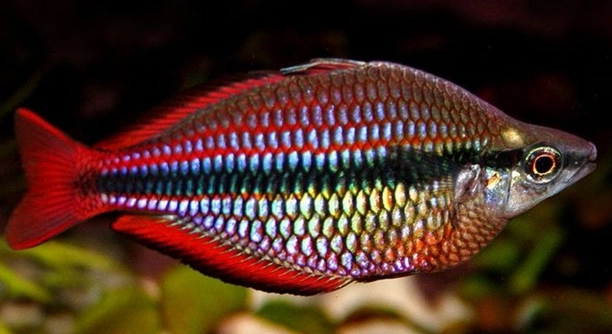
Rainbow fish are often admired for their vibrant colors and lively behavior. But have you ever wondered if they can recognize familiar scents in their environment? This ability might reveal more about their communication and survival instincts.
Rainbow fish do possess the ability to recognize familiar smells. They use their sense of smell to identify individuals, locate food, and detect potential threats. Studies suggest that they rely on chemical cues in the water to navigate their surroundings.
Exploring how rainbow fish recognize familiar smells can provide insight into their behavior. This fascinating topic opens up a deeper understanding of their social interactions and survival tactics in the wild.
How Rainbow Fish Use Smell to Identify Others
Rainbow fish use their keen sense of smell for various purposes, one of which is identifying others in their species. This is crucial for social interactions, including mating, forming groups, and avoiding potential conflicts. By detecting chemical cues in the water, they can distinguish between individuals based on specific scents. These smells can reveal important information about a fish’s health, gender, and even its emotional state. The ability to recognize familiar individuals helps rainbow fish maintain social harmony and stability within their groups.
Fish rely on their olfactory system, or sense of smell, to gather information from the environment. As they swim through the water, they pick up chemical signals left behind by other fish. These signals help them recognize whether they are encountering a friend or an unfamiliar fish. The olfactory cues are particularly helpful when the fish are in murky water, where visual identification might be difficult.
Understanding how rainbow fish communicate through scent can offer insights into their complex social behaviors. Recognizing familiar individuals can reduce aggression and competition, helping maintain a peaceful environment. This natural instinct also plays a role in the fish’s survival by keeping them aware of potential threats and ensuring they stay in safe groups.
The Role of Scent in Finding Food
Rainbow fish also use their sense of smell to find food in their surroundings. This is especially important in environments where food might not always be easily visible. The fish rely on the chemical signals given off by food sources to track them down.
Their ability to detect food through smell is a survival mechanism, ensuring they find the nutrients they need to thrive. Smells like algae or decaying organic matter can lead them to potential meals. The fish are attracted to these scents, guiding them toward the right spots in their habitat. It’s a highly effective strategy that allows them to adapt to their environment and make sure they don’t go hungry.
Furthermore, this smell-based food search helps rainbow fish avoid eating the wrong things. If they detect an unfamiliar or dangerous chemical signal, they can steer clear of it, avoiding potential harm. This instinctual behavior ensures their safety while also providing them with the nutrients they need for growth and reproduction.
How Rainbow Fish Use Smell to Detect Danger
Rainbow fish can sense danger through their sense of smell, using chemical cues released by predators. These smells warn them about potential threats in the water, helping them react quickly. They can detect these danger signals from a distance, which allows them to escape before the predator gets too close.
Predators often leave behind specific scents in the water, signaling their presence. Rainbow fish are able to pick up on these scents and quickly assess the level of threat. In response, they may swim away, hide, or change their behavior to avoid becoming prey. Their heightened sense of smell helps them react to changes in their environment, staying alert to avoid danger.
Smell also helps rainbow fish distinguish between different types of threats. For example, a predator’s scent may trigger a stronger fear response compared to other smells. This allows the fish to determine whether they need to act immediately or if the danger is less pressing.
The Impact of Environment on Scent Recognition
The environment plays a key role in how rainbow fish recognize smells. Water conditions, such as temperature, pH, and flow, can all influence how scents are carried and detected. These factors can make it easier or harder for the fish to pick up on important chemical signals.
For instance, in warmer water, smells can travel more quickly, allowing rainbow fish to detect them from farther away. However, in murky or heavily polluted water, their ability to recognize certain scents may be limited. Rainbow fish rely on clear, clean water to effectively use their sense of smell. If the water is too turbid, it can reduce the intensity of chemical cues, making it harder for the fish to communicate or find food. This shows how sensitive rainbow fish are to their environment and how much it affects their daily activities.
How Rainbow Fish Communicate Through Smell
Rainbow fish use scent to communicate with one another. By releasing specific chemicals into the water, they can signal different messages, such as their reproductive status or territorial boundaries. These chemical signals help them maintain social structures and avoid unnecessary conflicts.
The ability to communicate through smell is essential for establishing dominance and cooperation in the group. By sending out unique scent signals, rainbow fish can identify each other’s role within the group. This chemical communication allows for better coordination, especially when it comes to mating or avoiding aggression. It strengthens the bonds between individuals, promoting stability.
The Smell of Mating
During mating seasons, rainbow fish release specific scents that attract potential mates. These chemicals can convey a fish’s health and readiness to reproduce. The smell plays a vital role in ensuring that mating occurs at the right time, increasing the likelihood of successful reproduction.
The release of these mating smells is often timed with the fish’s physical behavior. Male rainbow fish may display vivid colors or engage in specific swimming patterns to enhance the scent signals. Female fish use these chemical cues to assess whether the male is a suitable mate. This natural process helps ensure genetic diversity and successful reproduction within their species.
Scent and Navigation
Rainbow fish use scent to navigate their environment. By following the chemical trails left behind by other fish or food sources, they can move through the water more efficiently. These scents act as guides, helping them find their way to food, safe spaces, or other members of their group.
In areas where vision is limited, such as murky waters, their reliance on scent becomes even more important. With this heightened sense of smell, they can avoid getting lost or separated from their group. Smell, in this case, is not just for communication but also for practical navigation, helping them survive.
FAQ
Do rainbow fish have a good sense of smell?
Yes, rainbow fish have a strong sense of smell that they rely on for various aspects of their life. Their olfactory system is highly developed, allowing them to detect chemical signals in the water. This helps them identify food sources, avoid predators, and communicate with other fish. Their sense of smell is crucial for survival, particularly in environments where visual cues might not be sufficient.
How do rainbow fish use smell to find food?
Rainbow fish detect chemical cues released by food, such as decaying organic matter or algae. These smells guide them to potential meals, ensuring they find the nutrients they need. Their strong sense of smell allows them to track food even when it’s not easily visible. This is especially helpful in murky water, where vision is limited. By following these chemical trails, they can find food in their habitat and stay well-nourished.
Can rainbow fish recognize familiar individuals by smell?
Yes, rainbow fish can recognize familiar individuals through their sense of smell. Each fish releases unique chemical signals into the water, which other fish can detect. This helps them identify each other and form social bonds. Recognition through scent is important for avoiding aggression, especially in group settings. It also plays a role in maintaining social stability, as it allows fish to know who is in their group and who is an outsider.
Do rainbow fish use smell to communicate with each other?
Rainbow fish use their sense of smell to communicate with each other, sending out chemical signals to convey different messages. These signals can indicate reproductive status, territorial boundaries, or even social hierarchy. By releasing specific scents, rainbow fish can avoid conflicts, establish dominance, and coordinate group activities. The use of smell for communication is essential for maintaining harmony within their groups.
How do rainbow fish react to danger using smell?
When rainbow fish detect the scent of a predator or other dangers, they use their sense of smell to trigger a fear response. The chemical signals released by a predator act as a warning, allowing the fish to react quickly and escape. This ability to detect danger through smell helps rainbow fish avoid becoming prey. It also helps them detect potential threats early, giving them enough time to swim to safety.
Does water quality affect the sense of smell in rainbow fish?
Yes, water quality can impact the effectiveness of a rainbow fish’s sense of smell. If the water is polluted, murky, or has a high level of chemicals, it can interfere with the fish’s ability to detect scents. Clean, clear water is essential for their olfactory system to function properly. Poor water quality can make it harder for the fish to communicate, find food, or detect predators. Maintaining a clean environment is important for the fish’s overall health and ability to use their sense of smell effectively.
How do rainbow fish find mates using smell?
Rainbow fish use smell to find potential mates, particularly during mating seasons. They release specific chemical cues that signal their readiness to reproduce. These scents help females assess the health and suitability of potential mates. Males may also display vivid colors and swim in specific patterns to enhance their scent signals. The chemical cues are crucial for successful reproduction, ensuring that both male and female fish are compatible and ready to mate.
Can rainbow fish smell other animals or humans?
Rainbow fish can smell other animals in their environment, including predators and potential prey. However, they are less likely to detect humans directly, as their sense of smell is mainly tuned to aquatic chemical signals rather than air-based scents. While humans can sometimes affect the water quality with substances like food or chemicals, rainbow fish do not specifically detect human presence unless it significantly alters the water environment.
Do rainbow fish communicate only through smell?
No, rainbow fish communicate through various methods, but smell plays a crucial role. They also use body language, such as swimming patterns, and visual signals, especially when it comes to mating rituals. However, their sense of smell is especially important in areas where visual signals are not as effective, such as murky or dark waters. They rely on a combination of cues, including smell, to communicate within their social structure.
How does smell help rainbow fish avoid aggression?
Rainbow fish can detect each other’s chemical signals, which helps them avoid aggression. By recognizing familiar smells, they can tell whether a fish is a part of their group or an outsider. This reduces the chances of unnecessary fights and helps maintain peaceful social interactions. When aggression does arise, the use of smell allows the fish to identify who is dominant and who might need to retreat, preventing harmful conflicts.
Final Thoughts
Rainbow fish are fascinating creatures that rely on their sense of smell in many ways. From finding food to recognizing familiar individuals, their ability to detect chemical signals in the water is key to their survival. Whether it’s navigating their environment or avoiding predators, their sense of smell helps them make quick decisions. This ability also plays an important role in communication, especially when it comes to social interactions and mating. Overall, their strong olfactory system allows them to thrive in their habitats and maintain harmony within their groups.
The relationship between rainbow fish and their environment is essential to their ability to use smell effectively. Water quality directly impacts their sense of smell. Clean, clear water allows them to detect chemical signals more efficiently, while polluted or murky water can make it harder for them to gather important information. For this reason, maintaining a healthy aquatic environment is crucial, not only for their olfactory system but for their overall well-being. Understanding this connection helps us appreciate how closely their survival is tied to the health of the waters they live in.
Rainbow fish’s use of smell goes beyond just detecting food or avoiding danger. It allows them to interact with others in meaningful ways, ensuring that they can communicate, reproduce, and establish their place within a group. Whether it’s through recognizing each other’s scents or signaling mating readiness, their sense of smell is a vital tool for maintaining social structure and ensuring the species thrives. By better understanding how rainbow fish use their sense of smell, we can better appreciate the complexity of their behavior and the important role it plays in their daily lives.

Hello,
If you enjoy the content that we create, please consider saying a "Thank You!" by leaving a tip.
Every little bit helps us continue crafting quality advice that supports the health, happiness, and well-being of pets around the world, for pets of all shapes, sizes, and species.
We really appreciate the kindness and support that you show us!