
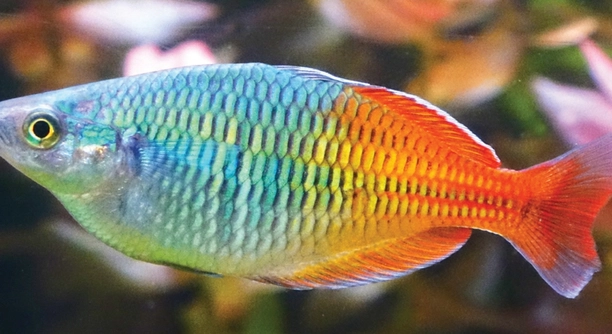
Many fish owners may have observed their rainbow fish responding to certain stimuli, like tapping on the glass. This behavior might make you wonder how the fish interpret these actions and what they really mean.
Rainbow fish tend to react to tapping on the glass, often by swimming towards the source of the sound or displaying heightened activity. This reaction is believed to be linked to their natural instincts, like investigating potential threats or food sources.
Understanding how rainbow fish respond to these interactions can offer insight into their behavior and how they experience their environment. There are factors to consider, like water conditions and fish temperament, which influence their responses.
How Rainbow Fish Respond to Tapping
Rainbow fish are quite sensitive to their surroundings, and tapping on the glass is something they often notice. Their response can range from curious swimming to darting away, depending on the situation. Tapping can create vibrations in the water, and the fish may associate this with a potential food source or an unknown threat.
Fish, including rainbow fish, can perceive vibrations through the water. They rely on these sensory cues to detect movement, signaling either danger or a potential opportunity. The tapping action mimics these natural environmental changes, prompting a reaction from the fish.
While some owners enjoy interacting with their fish in this way, it’s important to remember that tapping can cause stress in certain situations. Frequent tapping or loud noises might make them anxious. The key is to be mindful of how much you engage in this behavior to avoid unsettling them. Keeping the aquarium calm and stress-free should always be the priority.
Do Fish See the Tapping?
Rainbow fish have sharp vision, but it’s not necessarily the tapping sound that gets their attention. Rather, it’s the vibrations and changes in the water that influence their behavior.
Their visual acuity is designed for spotting movement in the water, especially near the surface where they often feed. However, rainbow fish are more sensitive to vibrations than to visual stimuli. This is why tapping or knocking on the glass will likely catch their attention more quickly than simply looking at them.
Why Tapping Might Stress Rainbow Fish
Tapping on the glass can trigger a stress response in rainbow fish, especially if done repeatedly. The sudden vibrations may be perceived as a disturbance in their environment. Fish naturally avoid stressful situations and may feel threatened when the water around them is disturbed.
Stress in fish can manifest in several ways, including erratic swimming, hiding, or even decreased appetite. Prolonged stress can affect their health, leading to weakened immune systems or more serious conditions. It’s important to keep the environment calm and avoid actions that could cause the fish unnecessary anxiety.
Fish that feel stressed by tapping may also become less active and even stop eating. This behavior could result in longer-term health issues, like poor growth or compromised resistance to diseases. To maintain a healthy aquarium, it’s best to minimize actions that disturb the fish, including tapping the glass.
How to Interact with Rainbow Fish Safely
If you enjoy observing your rainbow fish or interacting with them, try to do so without creating stress. Gently tapping the glass occasionally won’t harm them, but it’s important to recognize when it’s affecting their behavior.
To avoid stress, try approaching the tank quietly and observing them without tapping or making loud noises. Fish feel more secure in a calm environment. If you want to get their attention, consider using food or other non-disruptive methods. This way, they can explore their surroundings at their own pace and without the stress of constant disturbances.
Some fish species are more sensitive to changes in their environment than others, so it’s essential to pay attention to how they respond. If you notice signs of stress, such as hiding or rapid swimming, it’s a good idea to reduce tapping or noise around the tank. Respecting their space is key to ensuring a healthy, happy aquarium.
Fish Behavior and Vibrations
Rainbow fish can detect vibrations in the water, which is how they sense tapping on the glass. This sensitivity helps them respond to potential threats or food sources in their natural habitat. The ability to detect changes in the environment is crucial for their survival.
The vibrations created by tapping mimic natural sounds or movements. Rainbow fish often swim towards the source, assuming it could be a feeding opportunity. However, constant tapping may make them more cautious and less willing to approach, leading to anxiety or stress.
Observing Fish Without Disturbing Them
When you watch your rainbow fish, avoid tapping or making loud noises. A calm, quiet environment helps them feel more comfortable. If you want to interact with them, you can gently feed them or watch their natural behavior from a distance.
By observing their behavior without interruptions, you give your fish the space they need to thrive. This also allows you to learn more about their natural habits, like how they react to changes in their environment. Keeping a peaceful tank benefits both the fish and their surroundings.
FAQ
Do rainbow fish react to tapping on the glass?
Yes, rainbow fish do react to tapping on the glass. They can detect vibrations and may swim toward the source, assuming it could be a potential food source or something to investigate. However, frequent tapping may cause stress, as it disrupts their calm environment. It’s essential to observe them without causing distress by tapping on the glass repeatedly.
Can tapping on the glass harm rainbow fish?
Tapping on the glass itself is unlikely to harm rainbow fish directly. However, consistent tapping can lead to stress, which is harmful in the long run. Prolonged stress in fish can lead to weakened immune systems, reduced activity, and even health issues over time. It’s best to keep interactions minimal to ensure a healthy and comfortable environment for your fish.
What should I do if I notice my rainbow fish seem stressed by tapping?
If your rainbow fish are showing signs of stress, such as erratic swimming or hiding, it’s time to stop tapping the glass. Reduce loud noises and allow the fish to settle. Consider providing a calm environment with fewer disturbances. If the stress continues, try adjusting their environment, including lighting, water conditions, and the tank’s placement in your home to reduce external stressors.
How can I interact with my rainbow fish without stressing them?
The best way to interact with your rainbow fish is by keeping things calm and natural. Avoid tapping the glass. Instead, observe them quietly and offer food at regular intervals. You can also add plants or other tank decorations to keep them engaged in their environment. If they show interest in you, it may be due to their natural curiosity, but always respect their space to avoid stress.
Do rainbow fish remember who taps on the glass?
Rainbow fish do have a memory, but they don’t likely associate specific individuals with tapping. They may simply learn to associate the tapping sound or vibrations with either a positive (food) or negative (stressful) experience. However, their memory is not like that of humans, and they are more likely reacting to the immediate sensory cues they receive.
How can I tell if my rainbow fish are stressed?
Stressed rainbow fish often show certain behaviors. They might swim erratically, hide in corners, or stop eating altogether. You may also notice them flicking their fins rapidly or darting around the tank. Stress can also cause rainbow fish to lose their bright, vibrant colors. Keeping an eye on their behavior and overall health will help you detect stress early.
Can rainbow fish get used to tapping on the glass?
Over time, rainbow fish may get used to occasional tapping, especially if it’s linked to feeding. However, they will still likely respond to the vibrations by swimming toward the source. While they might not react as strongly after a while, frequent tapping can still cause underlying stress. It’s always better to minimize it.
Is it okay to tap the glass to get my rainbow fish’s attention?
It’s okay to tap the glass occasionally to get your rainbow fish’s attention, especially when feeding them. However, it’s essential to limit how often you tap. Regular tapping can create stress or confusion for the fish, making them feel threatened. If you want to get their attention, try feeding them or observing their natural behaviors instead.
How do rainbow fish react to other noises in their environment?
Rainbow fish, like many other fish, are sensitive to sounds and vibrations in the water. They can detect noises from the environment, like the sound of water movement, the filter, or footsteps near the tank. However, they are less likely to be stressed by these sounds unless they are sudden or loud, like tapping on the glass.
Can rainbow fish hear noises outside the tank?
Rainbow fish are more likely to react to vibrations and sounds that travel through the water. They are not known to hear sounds in the same way humans do. While they might not respond directly to voices or sounds outside the tank, vibrations from loud noises or tapping on the glass can disrupt them.
How do rainbow fish communicate with each other?
Rainbow fish primarily communicate through body language and by releasing chemicals into the water. They use their movements to signal things like territoriality, mating behavior, or the presence of food. They may also swim close together or spread their fins to communicate with each other. Understanding their social cues can help you create a more harmonious tank environment.
Are rainbow fish more sensitive than other species to tapping on the glass?
Rainbow fish are generally not more sensitive than other fish species to tapping on the glass. However, like most fish, they can be startled by sudden vibrations or noise. Some species of fish might be more accustomed to human interaction, while others may be more easily stressed. Overall, it’s best to treat all fish with care and avoid excessive noise.
Do rainbow fish like interaction with humans?
Rainbow fish are naturally curious, and they may approach the tank glass when they see movement. Some owners report that their rainbow fish appear to recognize them, especially when it’s feeding time. However, they don’t require direct interaction with humans for their well-being. Allowing them to explore their tank naturally is the best way to keep them comfortable.
How can I reduce stress for my rainbow fish?
To reduce stress for your rainbow fish, create a peaceful tank environment. Keep the water clean and well-filtered, and maintain proper lighting conditions. Avoid tapping on the glass, and try to minimize loud noises or sudden movements around the tank. Providing plenty of hiding spots and plants will also help them feel secure.
Final Thoughts
Rainbow fish, like many other aquarium species, are sensitive to changes in their environment. While tapping on the glass may seem harmless, it can cause unnecessary stress to your fish. Over time, repeated tapping could affect their behavior and even their health. It’s important to be mindful of how often you interact with them in this way and to recognize when their stress levels are rising. By understanding their reactions to vibrations and adjusting your approach, you can create a more peaceful and comfortable environment for your fish.
Maintaining a healthy aquarium means balancing the needs of your fish with proper care. Ensuring that your rainbow fish feel secure and stress-free should be a priority. They may not respond negatively to the occasional tapping, but frequent disruptions can make them anxious. Other behaviors, like erratic swimming or hiding, might indicate that they are feeling overwhelmed. If you notice these signs, it’s time to take a step back and evaluate how you’re interacting with them. Reducing loud noises, limiting tapping, and maintaining a calm atmosphere will help your fish thrive.
In the end, rainbow fish are fascinating creatures that enjoy a well-balanced and peaceful environment. By respecting their need for space and minimizing any disturbances, you contribute to their overall well-being. Whether you’re observing them quietly or offering them food, make sure the interaction is one that fosters comfort rather than stress. With the right approach, your rainbow fish will continue to thrive, offering beauty and enjoyment to your aquarium for years to come.

Hello,
If you enjoy the content that we create, please consider saying a "Thank You!" by leaving a tip.
Every little bit helps us continue crafting quality advice that supports the health, happiness, and well-being of pets around the world, for pets of all shapes, sizes, and species.
We really appreciate the kindness and support that you show us!