
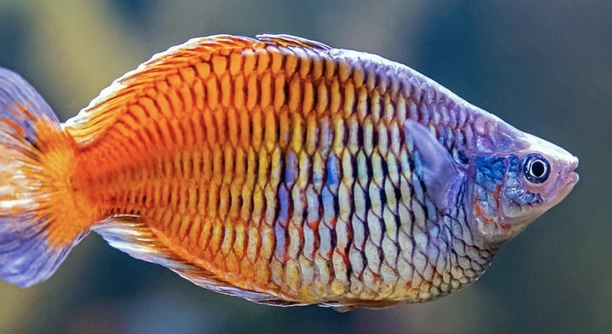
Rainbow fish are colorful creatures that often catch our attention. Many aquarium enthusiasts enjoy watching them swim, but do these fish react to different voices? This article explores whether rainbow fish respond to the sounds around them.
Rainbow fish primarily react to vibrations and sounds in their environment, but their responses to human voices are not clearly understood. Research indicates that fish can hear and may be influenced by noise, but reactions to specific voices are unclear.
Understanding how rainbow fish perceive sound can help improve the care and environment we provide for them. The connection between noise and fish behavior is fascinating and worth exploring.
How Do Rainbow Fish Hear Sounds?
Rainbow fish have an advanced sense of hearing despite not having external ears like humans. Instead, they rely on inner ear structures that pick up vibrations in the water. These fish can sense changes in pressure, which allows them to hear sounds, especially those with lower frequencies. Fish use this ability to detect predators, communicate, or navigate through their environment. While they may not be able to distinguish voices in the same way humans do, their sensitivity to noise is clear.
Their hearing is more about vibration than recognizing specific sounds or voices. So, it’s not likely that rainbow fish can distinguish between different human voices or react in a way that’s noticeable to us. However, they are aware of the surrounding environment and may respond to louder sounds, such as a sudden splash or changes in water flow.
Even though the idea of fish responding to a particular voice seems appealing, it’s clear that their ability to hear is much more about survival than social interaction with humans. Understanding how their hearing works can help aquarium owners create peaceful environments that avoid unnecessary stress.
Can Fish Differentiate Between Voices?
When it comes to distinguishing between different voices, the answer isn’t straightforward. Rainbow fish seem more responsive to vibrations than to the specific tones of a person’s voice. Fish have a heightened sense of vibration that alerts them to changes in their surroundings, which is crucial for their survival.
The way rainbow fish process sound is rooted in the water’s pressure changes rather than auditory signals as humans perceive them. While it’s possible they can pick up on specific patterns in sound, research doesn’t confirm they recognize or respond to specific voices. Instead, they are more likely to react to the overall sound environment. This is why fish tend to respond to noise disturbances or movement in the water rather than someone calling their name.
Even with their impressive hearing ability, it’s unlikely that rainbow fish will form any meaningful connection with specific voices. However, minimizing loud noises or sudden movements around the tank can help reduce their stress and encourage a calm environment. Knowing how they hear can help fish owners create a more comfortable habitat.
How Fish Respond to Sound in Their Environment
Fish, including rainbow fish, are sensitive to sound waves and vibrations in their environment. They have a highly developed inner ear system that allows them to pick up vibrations from their surroundings. This helps them detect movement, predators, and changes in water pressure.
These vibrations travel much faster in water than in air, allowing fish to sense disturbances from a distance. For rainbow fish, sudden movements or loud noises, like tapping on the tank, might cause them to swim away or become stressed. However, this response is more about alerting them to potential danger than recognizing a specific sound or voice. Their reaction is instinctual, driven by the need to stay safe.
Though rainbow fish can perceive vibrations, they do not interpret sounds in the same way humans do. Their awareness is more about their environment and less about identifying particular noises. Maintaining a quiet and peaceful environment will help keep rainbow fish calm and comfortable.
Can Sound Impact the Behavior of Rainbow Fish?
Rainbow fish, like many species, can experience stress due to noise. Prolonged exposure to loud or sudden sounds can cause them to exhibit signs of anxiety, such as erratic swimming or hiding. These behavioral changes are often linked to the fish feeling threatened or disturbed by their surroundings.
Noise can also affect their overall health. Just as humans might feel uneasy in a noisy environment, rainbow fish can experience stress-related health issues. This includes a weakened immune system, which can make them more susceptible to disease. It’s important to consider the water’s acoustics and the general noise level around the tank. Keeping a calm, quiet space helps ensure the well-being of the fish.
Owners should pay attention to their fish’s behavior, as sudden changes might indicate they’re reacting to noise. This can be a sign to adjust the surroundings to reduce unnecessary disturbances. Ensuring a calm environment is essential for promoting healthy, happy rainbow fish.
The Role of Water Quality in Fish Behavior
Water quality plays a significant role in how rainbow fish react to their environment. Poor water conditions can cause stress, making the fish more sensitive to sound or vibrations. Keeping the water clean and balanced helps reduce unnecessary stress on the fish, allowing them to feel more secure.
When water parameters such as temperature, pH, and oxygen levels are within the optimal range, rainbow fish are likely to show calmer behavior. In contrast, poor water quality can make them more skittish and prone to reacting negatively to any disturbances, including sound. Healthy water is crucial for their overall well-being.
Keeping water quality stable should be a top priority for aquarium owners. Regular water testing and maintenance can ensure your fish remain comfortable and reduce stress-related behaviors.
How Sound Waves Travel in Water
Sound waves travel much faster in water than in air. This means fish, including rainbow fish, can detect vibrations from a longer distance. The higher density of water allows sounds to travel with less attenuation, making it easier for fish to sense changes in their environment.
Since rainbow fish rely on vibrations to interpret their surroundings, they can detect even slight changes in the water. This is especially important for their survival, as it helps them avoid danger and find food. Understanding how sound moves in water highlights the importance of a quiet tank for their comfort.
Effects of Loud Noises on Rainbow Fish
Loud or sudden noises can disturb rainbow fish, making them more likely to react by swimming erratically or hiding. Prolonged exposure to these sounds can lead to stress, which in turn may affect their immune system.
FAQ
Do rainbow fish recognize human voices?
Rainbow fish do not have the ability to recognize human voices. Their hearing mechanism is designed to detect vibrations in the water rather than to identify specific sounds or tones like humans do. While they can hear and react to sounds, they likely don’t differentiate between human voices. Instead, their reactions to noise are more about sensing potential threats or disturbances in their environment.
Can rainbow fish hear underwater?
Yes, rainbow fish can hear underwater. Their ears are adapted to detect vibrations and pressure changes in the water. These vibrations help them understand their environment, alerting them to the presence of predators or changes in their surroundings. However, their hearing is quite different from that of land animals, and they focus more on sensing general noise rather than pinpointing specific sounds.
What types of sounds do rainbow fish respond to?
Rainbow fish are more likely to respond to vibrations and movements in the water. Loud noises, sudden splashes, or changes in water flow may trigger their response. Fish are particularly sensitive to low-frequency sounds, which are more easily transmitted through water. These sounds alert the fish to potential threats or changes in their environment, but they do not react to every noise they encounter.
How does noise affect rainbow fish?
Excessive noise can cause stress in rainbow fish. Prolonged exposure to loud or erratic sounds might result in erratic swimming patterns, hiding, or general anxiety. Just like other animals, fish can become stressed in noisy environments, which could negatively affect their health. Over time, this stress can weaken their immune system and make them more susceptible to diseases. It’s important to minimize sudden or loud noises around your aquarium to keep your fish calm and comfortable.
Can rainbow fish hear music?
Rainbow fish can hear vibrations caused by music, but they do not perceive music in the way humans do. The sound waves from music would travel through the water as vibrations, but fish do not have the cognitive ability to appreciate music like humans. While they might respond to the vibrations caused by loud music, they are more likely reacting to the intensity or frequency of the sound rather than enjoying it.
How do rainbow fish communicate?
Rainbow fish primarily communicate through visual signals and body movements. They use their colorful fins and body postures to communicate with each other, especially during mating or territorial displays. While they are capable of sensing sounds and vibrations, communication between them is largely visual and based on their movements. They may also release pheromones to signal their intentions or react to environmental changes.
What should I do if my rainbow fish seem stressed by noise?
If you notice that your rainbow fish are showing signs of stress due to noise—such as hiding, erratic swimming, or staying at the tank’s bottom—it’s important to reduce the noise around the aquarium. Avoid tapping on the glass or making sudden movements near the tank. You can also consider moving the aquarium to a quieter location if noise from other sources is affecting your fish. Maintaining a peaceful environment is key to keeping them healthy.
Are there sounds that calm rainbow fish?
While rainbow fish are sensitive to sounds, there is no evidence to suggest that certain sounds or frequencies actively calm them. A calm, quiet environment with minimal disturbances is the best way to help rainbow fish feel comfortable. Soft, ambient noise, like gentle water movement or a quiet filter, is likely to have a more neutral effect on their behavior compared to loud or jarring sounds.
Do rainbow fish have good hearing compared to other fish?
Rainbow fish have good hearing, though they may not be as sensitive to high-frequency sounds as some other fish species. Many fish, including rainbow fish, rely on vibrations and pressure changes in the water to detect their surroundings. While their hearing is highly developed, it is tailored to picking up vibrations rather than distinguishing specific sounds or frequencies. Fish like catfish or some species of carp have more advanced hearing capabilities, which may allow them to detect a wider range of sounds.
Can rainbow fish adapt to noisy environments?
Rainbow fish may adapt to certain levels of noise over time, but consistent exposure to loud or disruptive sounds can lead to long-term stress. If the environment is constantly noisy, they might become accustomed to the sounds, but it could still affect their overall health and behavior. It’s essential to keep their environment as stress-free as possible, with minimal noise, to promote a healthier and more stable life for your fish.
Final Thoughts
Rainbow fish, like many aquatic species, are sensitive to their surroundings, including the sounds and vibrations in the water. While they don’t recognize human voices, they are capable of hearing low-frequency sounds and vibrations, which help them detect changes in their environment. Their hearing is more about sensing potential threats or changes in water conditions rather than recognizing specific sounds. This means they don’t react to human voices in the way we might expect, but instead respond to disturbances that might signal danger. Understanding this behavior helps us care for them better and avoid unnecessary stress.
The importance of a quiet and peaceful environment cannot be overstated when it comes to keeping rainbow fish healthy. Loud or sudden noises can disturb them and lead to stress, which affects their overall well-being. Just like other animals, fish experience anxiety when exposed to loud, erratic sounds, and prolonged exposure can weaken their immune system, making them more vulnerable to illnesses. Keeping a calm environment not only ensures the fish are comfortable but also supports their health in the long run. Aquarium owners should consider minimizing noise levels, whether it’s from human activities or surrounding sources, to create a stable and peaceful space for their fish.
In conclusion, rainbow fish may not react to human voices, but they are still very aware of the sounds and vibrations around them. Understanding how they perceive sound and recognizing the impact of noise on their behavior can help owners maintain a healthy and happy aquarium. By keeping noise levels low and providing an environment that mimics their natural habitat, rainbow fish can thrive. Their sensitivity to sound is just one of the many factors that aquarium owners should consider when caring for these beautiful and delicate creatures.

Hello,
If you enjoy the content that we create, please consider saying a "Thank You!" by leaving a tip.
Every little bit helps us continue crafting quality advice that supports the health, happiness, and well-being of pets around the world, for pets of all shapes, sizes, and species.
We really appreciate the kindness and support that you show us!