
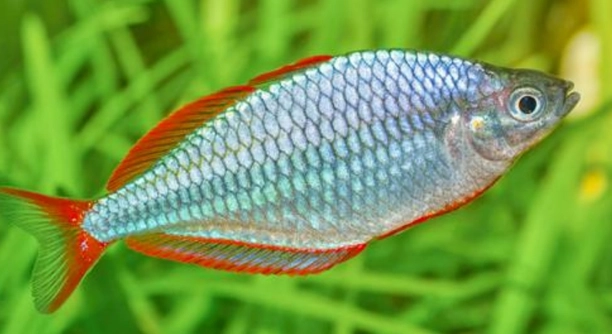
Rainbow fish are known for their vibrant colors and active nature. However, there may be changes in their behavior during different times of day, especially at night. Understanding these reactions can improve how they are cared for.
Rainbow fish exhibit noticeable changes in behavior at night, primarily due to their instinctual responses to lower light levels. These fish tend to be more subdued and less active after the lights go off, often resting near plants or hiding spots.
The shift in behavior could affect their interaction with their environment. Recognizing these patterns helps ensure their well-being in your aquarium.
Nighttime Behavior Changes in Rainbow Fish
Rainbow fish display subtle shifts in behavior after the lights go down. During the day, they are energetic, often swimming through the tank in bursts of activity. However, as night falls, their behavior slows down. They typically reduce movement, becoming less active and more focused on resting or hiding in their favorite spots. This adjustment is natural, as their activity is largely driven by the light and dark cycle. These fish are not nocturnal but adapt to the darkness as part of their natural rhythm. While they may still move, it is at a slower pace, and their behavior becomes more reserved.
This transition can be linked to their need for rest, as it’s vital for their health. Less light leads to less stimulation, making the fish more inclined to conserve energy.
Providing ample hiding places in the tank can help rainbow fish feel secure during the night. Use plants, rocks, or other structures to mimic their natural environment, which encourages them to relax. The fish are also less likely to feel stressed in these spaces.
Factors Affecting Nighttime Behavior
Several factors can influence how your rainbow fish behave during the night. Water temperature, lighting, and tank conditions all play significant roles. A stable temperature range that mimics their natural habitat helps them feel secure and comfortable. These fish are sensitive to sudden changes in their environment. If the water is too warm or cold, it can affect their activity levels.
The lighting cycle also impacts how they respond. Rainbow fish thrive when they have a consistent day-night pattern. A sudden change in light intensity, or a lack of a proper light cycle, can disrupt their natural rhythm, leading to irregular behaviors. In addition, if the tank has too much light during the night, the fish may feel restless. Maintaining proper lighting and a stable environment promotes better health and reduces unnecessary stress.
Environmental Factors That Affect Behavior
Water quality significantly impacts how rainbow fish react at night. Poor water conditions can cause stress, making them more likely to hide or reduce their activity levels. Regular maintenance of water parameters, such as pH, nitrate levels, and water hardness, ensures a healthier environment for your fish.
Temperature is another important factor. If the water is too cold or too hot, the fish may become sluggish or even stressed, especially during the night. They thrive in temperatures between 74°F and 80°F. A stable, consistent temperature encourages better behavior and health, particularly in the dark.
Another key environmental factor is tank placement. If your tank is in a noisy or busy area, the fish may feel uneasy, especially at night when they are more sensitive to disturbances. Keeping the tank in a quiet area will help reduce stress and promote better rest for the fish.
Lighting Considerations
Lighting is essential for rainbow fish, not just during the day but also at night. Proper lighting ensures that they know when to rest and when to be active. Too much light at night can confuse their natural rhythm and make them less likely to settle down.
A good rule of thumb is to have the lights on for about 10 to 12 hours a day and then let the tank be dark. This allows the fish to follow a natural light cycle. Consider using a timer for consistency, ensuring the lights turn off and on at the same time each day.
When choosing tank lights, make sure they are not too bright, especially at night. Using dim lighting or LED lights that simulate moonlight is a great option to help your rainbow fish feel more comfortable during the evening. They will be more likely to rest and adapt to the lower light levels.
Tank Size and Space
A larger tank provides more room for rainbow fish to roam and settle into different areas, especially at night. Fish will feel more secure and comfortable when they have ample space. Cramped tanks may lead to stress and limit their ability to find restful spots.
A spacious tank also allows for better water circulation, which can help maintain stable conditions. With proper space, rainbow fish are more likely to be active during the day and rest comfortably during the night. The more room they have, the better their overall health will be.
Feeding Schedule
A regular feeding schedule helps maintain consistency for your fish. If they are overfed or fed too late in the evening, their activity levels can remain high into the night. Stick to feeding them during the day to promote their natural sleep-wake cycle.
Feeding smaller portions throughout the day, rather than large meals in the evening, is ideal. This approach encourages your fish to rest earlier in the night and avoid unnecessary stress. Consistent feeding times also help regulate their behavior and reduce the risk of overfeeding.
Fish Tank Decorations
Tank decorations serve more than just an aesthetic purpose. They provide shelter and hiding places, which are crucial for rainbow fish at night. The more hiding spots they have, the more likely they are to feel secure and rest properly. Consider using plants, rocks, and driftwood.
FAQ
Do rainbow fish sleep at night?
Rainbow fish are not truly nocturnal but have a natural circadian rhythm. At night, they become less active and rest, usually hiding among plants or decor. They rely on the light cycle to determine when to rest and when to be active, which is essential for their well-being.
What causes rainbow fish to become less active at night?
Rainbow fish become less active at night due to their biological clock, which aligns with the natural day-night cycle. Darkness signals their body to slow down, encouraging rest. Additionally, reduced light reduces stimulation, which makes them more inclined to rest.
Do rainbow fish need darkness to sleep?
Yes, rainbow fish need a period of darkness to rest properly. Consistent light and dark periods are vital for their health. Without darkness, their circadian rhythm can be disrupted, potentially leading to stress and irregular behavior.
Can I disturb rainbow fish at night?
Disturbing rainbow fish at night may cause them stress. They are more sensitive to changes in their environment when it’s dark. It’s best to minimize disturbances, allowing them to rest undisturbed. Keeping the tank in a quiet area helps them feel safe and secure.
Should I keep the lights on in my tank at night?
No, it’s essential to turn the lights off at night. Keeping the lights on too late can confuse the fish’s natural sleep cycle. A consistent day-night lighting pattern helps them maintain their natural rhythm, promoting better rest and behavior.
How can I improve my rainbow fish’s nighttime behavior?
Improving nighttime behavior starts with providing a consistent light cycle, keeping the tank in a quiet area, and ensuring a comfortable water temperature. Adequate hiding spots and proper tank decorations also encourage rest, allowing the fish to feel safe.
Do rainbow fish need more food at night?
Rainbow fish do not need extra food at night. Feeding them during the day is best for maintaining their natural rhythm. Overfeeding or feeding too late in the evening can cause them to stay active longer, disrupting their nighttime rest.
Why are my rainbow fish more active at night?
If your rainbow fish are more active at night, it could be due to an irregular light cycle or disturbances in their environment. Ensure they have a proper light schedule and a quiet, secure tank to reduce stress and encourage natural behavior patterns.
Can rainbow fish adapt to night shifts in lighting?
Rainbow fish can adapt to gradual changes in lighting, but sudden shifts can cause confusion. It’s important to maintain a consistent light-dark cycle to support their natural rhythms. Gradually adjusting the light cycle is the best way to avoid stressing the fish.
What time of day are rainbow fish most active?
Rainbow fish are typically most active during the day when the light is on. They are social, energetic fish that swim freely and interact with their environment during daylight hours. As the light fades, they naturally begin to slow down and rest.
How can I tell if my rainbow fish are stressed at night?
Stressed rainbow fish may display signs such as hiding excessively, refusing to rest, or acting unusually skittish. If they seem restless or disoriented during the night, check the tank’s water quality, lighting, and overall environment to ensure it is suitable for them.
Is it normal for rainbow fish to stay in one spot at night?
Yes, it is normal for rainbow fish to remain in one spot at night. They typically seek hiding spots or calm areas to rest. This is part of their natural behavior, allowing them to feel secure and recover from the day’s activities.
Can rainbow fish sleep with other fish?
Rainbow fish can sleep alongside other peaceful species, as long as there is enough space and hiding spots for each fish. Having plenty of tank decorations can help avoid territorial issues and allow everyone to rest comfortably.
Final Thoughts
Understanding the behavior of rainbow fish at night is essential for creating the best environment for them. While they are not fully nocturnal, their activity levels do decrease as it gets darker. Providing a consistent day-night light cycle helps them maintain their natural rhythm. Without this, their behavior could be impacted, leading to stress and possible health issues. Ensuring the proper lighting and allowing a period of darkness is crucial for their well-being.
The physical environment, including the tank size, decorations, and water quality, plays an equally important role. Rainbow fish, like many other species, need a stress-free, secure space to rest during the night. A larger tank with plants and hiding spots helps them feel safe. Poor water quality, temperature fluctuations, or noisy environments can all contribute to their stress levels, making it harder for them to rest. By maintaining a clean tank and providing adequate space, you help encourage healthy, natural behavior patterns.
Finally, it’s important to consider their feeding and activity schedules. Feeding during the day and avoiding late-night feedings ensures they do not stay active longer than necessary. Rainbow fish thrive on routine, and a steady feeding schedule helps them understand when it’s time to rest. Paying attention to these small but crucial details can significantly improve the quality of life for your rainbow fish, allowing them to be healthy, happy, and active during the right times of day.

Hello,
If you enjoy the content that we create, please consider saying a "Thank You!" by leaving a tip.
Every little bit helps us continue crafting quality advice that supports the health, happiness, and well-being of pets around the world, for pets of all shapes, sizes, and species.
We really appreciate the kindness and support that you show us!