
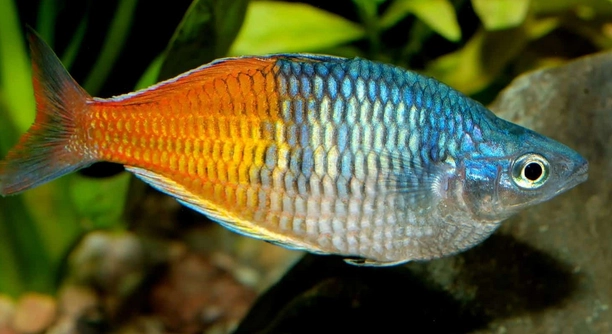
Rainbow fish are a popular choice for aquarium enthusiasts due to their vibrant colors and active nature. However, when it comes to keeping them healthy, understanding the type of water they thrive in is crucial.
Rainbow fish generally prefer soft water with a lower mineral content. In their natural habitat, they are often found in freshwater streams and lakes with softer water. Hard water, which has a higher mineral content, can cause stress and affect their overall well-being.
Understanding the water conditions will help you provide the best environment for your rainbow fish. Keep reading to learn more about how water hardness impacts their health and how to maintain ideal water conditions for your fish.
Understanding Soft and Hard Water
Soft water has fewer dissolved minerals, like calcium and magnesium, which are generally better for rainbow fish. In contrast, hard water contains higher levels of these minerals. When exposed to hard water for extended periods, rainbow fish can experience stress, affecting their immune systems and overall health. Soft water, with its lower mineral content, is much closer to the natural environment these fish come from. Maintaining soft water conditions helps reduce stress and supports a healthier environment for them to thrive in.
Rainbow fish will still adapt to harder water, but it’s important to note that they may not breed successfully in these conditions. Over time, persistent exposure to hard water can cause issues like poor coloration and reduced lifespan. While it’s possible to manage these factors with water conditioners, soft water is always the better choice for long-term fish health.
Adjusting the water hardness in your aquarium can be done easily by using water softeners or collecting rainwater. You can also test the water regularly to ensure it remains soft, giving your rainbow fish the healthiest environment possible.
The Impact of Water pH
Along with hardness, pH levels play a significant role in how rainbow fish thrive. Soft water typically has a lower pH, which better suits rainbow fish. High pH levels, often found in hard water, can lead to poor fish health.
Maintaining an ideal pH level between 6.5 and 7.5 is crucial for rainbow fish. Extreme pH levels cause stress, making the fish more susceptible to illness. If you use tap water, it may be necessary to adjust the pH to avoid causing long-term damage. Regular monitoring and adjustments ensure a stable environment for your fish to grow and reproduce.
The Role of Minerals in Rainbow Fish Health
Minerals in the water, such as calcium and magnesium, directly affect the health of rainbow fish. In soft water, these minerals are present in lower concentrations, which is more natural for them. Hard water, however, has a higher concentration, and excessive minerals can cause health problems over time.
Excess minerals can cause mineral buildup in the fish’s organs, leading to organ failure or difficulty in absorbing nutrients. Soft water, being closer to their native environments, supports their biological functions better, allowing them to thrive. While some mineral content is necessary, the ideal balance helps prevent the fish from becoming stressed and ensures they have optimal health.
Maintaining soft water with an appropriate level of minerals is crucial for the well-being of your rainbow fish. Regular water changes and checking mineral levels can help create the right balance for your fish. This will contribute to vibrant colors and increased lifespan.
Adjusting Water Hardness for Rainbow Fish
If your water is too hard for rainbow fish, there are simple solutions to adjust it. You can reduce water hardness by using commercially available water softeners or rainwater. Both methods work well, though rainwater is naturally soft.
Rainwater, when filtered, is an excellent alternative to hard tap water. It typically contains fewer minerals, which helps recreate a more natural environment for your rainbow fish. If you’re using tap water, adding water conditioners designed to lower hardness is another viable option. Always ensure that any adjustments made to water hardness are gradual to avoid stressing the fish. Rapid changes can be harmful.
Monitoring Water Quality Regularly
Regular testing of water quality is essential for maintaining a healthy environment for your rainbow fish. Use test kits to measure hardness, pH, and other water parameters. This helps ensure the water stays within optimal ranges.
Test your water at least once a week to ensure it is consistent. This is especially important if you are using tap water, as its mineral content can fluctuate. By monitoring these factors, you can prevent issues before they impact your fish. Regular testing gives you control over the water conditions, helping your fish stay healthy.
Benefits of Proper Water Parameters
Maintaining proper water conditions for rainbow fish results in better health, vibrant colors, and successful breeding. Stable water parameters also reduce stress and prevent diseases, ensuring your fish live a long, healthy life.
Having stable water conditions improves the overall quality of life for your fish. It can even help them grow larger and more vibrant. Rainbow fish are delicate creatures that require specific care, so providing them with the right environment pays off in the long run. Regular adjustments and monitoring ensure they thrive in your aquarium.
Water Changes and Their Importance
Performing regular water changes is essential in keeping your rainbow fish healthy. By changing 10-20% of the water every week, you reduce the accumulation of toxins and waste, which can negatively affect water quality.
Frequent water changes prevent harmful substances from building up in the tank. This process also helps maintain proper mineral levels and keeps the water soft. Regular changes ensure a stable environment for your fish. It’s one of the easiest ways to keep their habitat in top condition and minimize health risks.
FAQ
Do rainbow fish prefer soft water over hard water?
Yes, rainbow fish generally prefer soft water. Their natural environment consists of freshwater areas with fewer minerals. In hard water, with higher calcium and magnesium levels, rainbow fish can experience stress. This can lead to weakened immune systems and even stunted growth. Soft water, which has fewer dissolved minerals, closely mimics their natural habitat, making it the ideal choice for their health and well-being. Keeping their water soft helps reduce stress and supports their overall vitality.
How can I tell if the water is too hard for my rainbow fish?
The easiest way to determine if the water is too hard for your rainbow fish is by testing its hardness. You can use a water hardness test kit, which measures the concentration of minerals like calcium and magnesium. If the test shows that your water has high levels of hardness, it could be too harsh for your fish. Also, if you notice changes in their behavior, such as less activity or faded colors, it could be a sign that the water is affecting them negatively. Regular water tests are key to monitoring and adjusting water conditions.
Can rainbow fish adapt to hard water?
Rainbow fish can adapt to hard water over time, but it’s not ideal for them. While they may survive in harder conditions, it’s more difficult for them to thrive. Hard water can cause stress and may even affect their breeding behavior. Over time, persistent exposure to hard water may lead to health issues, including poor coloration and reduced lifespan. If your water is hard, it’s best to soften it gradually rather than subjecting your rainbow fish to sudden changes.
What are the symptoms of stress in rainbow fish due to hard water?
Stress in rainbow fish due to hard water can manifest in various ways. Common symptoms include reduced activity, loss of color vibrancy, or abnormal swimming patterns. Fish might also appear more skittish or hide more than usual. Prolonged exposure to hard water may weaken their immune systems, making them more susceptible to diseases. It’s important to monitor their behavior closely and adjust water conditions if any signs of stress appear. Keeping water soft and stable helps minimize these issues.
How do I soften hard water for rainbow fish?
There are several ways to soften hard water for your rainbow fish. One option is to use commercially available water softeners designed for aquariums. These products can reduce the mineral content in your water over time. Another method is to collect and use rainwater, which is naturally soft. If you use tap water, consider filtering it to remove excess minerals. Regularly testing the water’s hardness and making gradual adjustments will help ensure the conditions remain suitable for your rainbow fish.
Can I use tap water for my rainbow fish?
Tap water can be used for rainbow fish, but you need to test its hardness and pH levels first. Many municipal water supplies contain hard water, which can be stressful for your fish. If your tap water is too hard, you may need to soften it using a water conditioner or by mixing in rainwater. Additionally, some tap water contains chlorine, which can be harmful to your fish, so it’s important to treat the water with a dechlorinator before adding it to your tank.
How often should I change the water in my aquarium?
You should change about 10-20% of the water in your aquarium each week. This helps maintain stable water conditions by removing waste, toxins, and excess minerals. Regular water changes also prevent the buildup of harmful substances that can affect your rainbow fish. If you notice that the water is cloudy or the fish are showing signs of stress, more frequent water changes may be necessary. Always ensure the new water is at the same temperature and pH as the tank water to avoid shocking your fish.
What is the ideal pH level for rainbow fish?
Rainbow fish thrive in water with a pH level between 6.5 and 7.5. This range is slightly acidic to neutral, which is what they experience in their natural environment. If the pH is too high or too low, the fish may become stressed and may have trouble absorbing nutrients properly. Regularly testing the water’s pH and making adjustments as needed is important to ensure your rainbow fish stay healthy and vibrant.
Are there any other water parameters I should monitor for rainbow fish?
Yes, aside from hardness and pH, it’s important to monitor the temperature, ammonia, nitrites, and nitrates. Rainbow fish prefer a water temperature between 72-79°F (22-26°C). Maintaining stable temperatures is key, as fluctuations can cause stress. Ammonia and nitrites should always be at 0 ppm, as even small amounts can be harmful. Nitrate levels should stay below 20 ppm. Regularly testing these parameters and adjusting accordingly ensures that your rainbow fish remain in a healthy environment.
Can rainbow fish live in brackish water?
Rainbow fish are typically freshwater fish, and most species do not thrive in brackish water. However, there are a few exceptions, like the mangrove rainbowfish, which can tolerate brackish conditions. For the majority of rainbow fish, it’s best to maintain freshwater with soft to moderately hard water. If you are unsure about the species you have, check the specific care requirements to make sure the environment is right for them.
Final Thoughts
When it comes to keeping rainbow fish, water quality is one of the most important factors to consider. These fish thrive in soft, slightly acidic to neutral water conditions, which closely resemble their natural habitats. Understanding their preferences can help you create an environment where they feel comfortable and can flourish. Regularly monitoring water parameters such as hardness, pH, and temperature is essential. By keeping the water in optimal condition, you will notice improved health, vibrant colors, and potentially even successful breeding.
While it may take some time to find the perfect balance for your rainbow fish, the effort is well worth it. By testing the water regularly and making small adjustments, you can ensure that your fish have the best environment possible. In cases where your water is too hard, there are simple solutions like using water softeners or mixing in rainwater. By keeping track of the fish’s behavior and responding to any signs of stress, you can adjust the water parameters before the situation becomes problematic.
Overall, rainbow fish are relatively easy to care for when their water conditions are maintained properly. They are resilient but benefit greatly from the right environment. With patience and consistency in monitoring the water, you can create a peaceful, thriving habitat for your rainbow fish. This attention to detail will lead to happier, healthier fish, and in return, a beautiful aquarium to enjoy for years to come.

Hello,
If you enjoy the content that we create, please consider saying a "Thank You!" by leaving a tip.
Every little bit helps us continue crafting quality advice that supports the health, happiness, and well-being of pets around the world, for pets of all shapes, sizes, and species.
We really appreciate the kindness and support that you show us!