
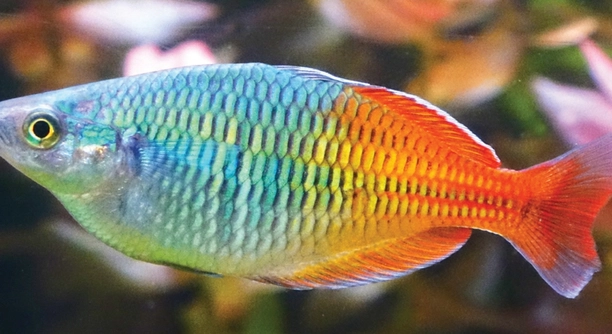
Rainbow fish are often admired for their vibrant colors and graceful movements. They are popular in home aquariums and often spark curiosity about their preferences and behaviors. One question that comes up is whether these fish prefer silence or noise.
Research suggests that rainbow fish tend to be more sensitive to environmental sounds. In general, they thrive in quieter settings, as excessive noise or vibrations can cause stress, negatively impacting their health and behavior.
Understanding how noise affects rainbow fish is important for creating a comfortable environment for them. The right setting can help maintain their well-being and improve their overall quality of life.
How Noise Affects Rainbow Fish
Rainbow fish are sensitive creatures that react to the vibrations and sounds in their environment. While they are not entirely deaf, their hearing is quite different from ours. They rely on subtle shifts in the water to detect sounds, and anything out of the ordinary can stress them out. This stress can make them more prone to illness and can impact their overall health. Keeping noise levels down can help ensure that rainbow fish feel more secure and comfortable in their tank.
It’s important to understand that rainbow fish do not necessarily need complete silence, but a peaceful environment works best. Avoiding loud sounds near the tank and keeping equipment noise at a minimum will contribute to their well-being.
When setting up a tank for rainbow fish, noise considerations should be a priority. Filters, air pumps, or even nearby traffic can create vibrations that disturb them. The best approach is to place the aquarium in a quiet space, away from high-traffic areas. While these fish can adapt to some level of sound, quieter conditions allow them to feel more at ease. It’s worth noting that loud, sudden noises like tapping on the glass or slamming doors can cause immediate stress and discomfort.
How Silence Benefits Rainbow Fish
Keeping rainbow fish in a quiet environment is ideal for their health.
Rainbow fish thrive when they are not exposed to constant noise. Their sensitivity to sound makes it essential to provide a peaceful atmosphere. By minimizing unnecessary sounds and vibrations, you create a habitat where they can feel safe and happy.
Impact of Noise on Fish Behavior
Excessive noise can cause rainbow fish to become skittish. They may hide more often or swim erratically when they feel threatened. Constant disturbance may lead to loss of appetite or reduced activity, signaling that the fish are stressed. This can also affect their social behavior, as rainbow fish prefer to interact in a calm environment.
Fish in noisy environments often display more aggressive behavior as they feel the need to defend themselves from the vibrations. This can lead to a disruption in their natural patterns and interactions, causing long-term impacts on their health. Maintaining a peaceful setting reduces stress and allows them to behave naturally, fostering better health and a happier environment.
When kept in a quiet aquarium, rainbow fish are more likely to swim calmly and interact with their surroundings. In contrast, if noise levels are too high, their response might include less interaction with other fish or hiding away. This kind of behavior is detrimental to their social habits and overall well-being, highlighting the importance of noise control in their habitat.
Creating a Peaceful Aquarium Environment
To ensure your rainbow fish feel at ease, consider the placement of their tank.
A quiet location away from high-traffic areas helps minimize stress. Keeping away from loud equipment or household noise will help maintain their health. Filters and air pumps can create background noise, but choosing quieter models will also make a noticeable difference.
Noisy Environments and Health Risks
Continuous exposure to noise can weaken the immune systems of rainbow fish. Over time, this stress may make them more vulnerable to diseases. A constant state of stress drains their energy, reducing their ability to fight off infections. It’s essential to ensure that the aquarium remains quiet to avoid these health risks.
Stress from noise can also interfere with the fish’s natural growth and development. Young rainbow fish, especially, may suffer setbacks if their environment is consistently noisy. Inadequate growth and delayed maturation can occur when they are constantly stressed, potentially leading to shorter lifespans.
Managing Aquarium Equipment Noise
Aquarium equipment is often a significant source of noise, especially filters and pumps.
To keep the noise level low, invest in quieter models and regularly maintain them. Choosing equipment that operates smoothly without excessive vibrations ensures that your rainbow fish can thrive in a more peaceful setting.
FAQ
Do rainbow fish need complete silence in their environment?
Rainbow fish do not require total silence, but they do benefit from a quieter setting. They are sensitive to loud noises and vibrations, which can cause stress. However, they can tolerate gentle background sounds, like soft filter noise. The key is to minimize sharp, loud noises or sudden disturbances that may cause them to feel threatened.
What kind of sounds do rainbow fish respond to?
Rainbow fish are sensitive to low-frequency sounds and vibrations in the water. They do not hear in the same way humans do, but they can detect changes in their surroundings through vibrations. They are more likely to be affected by high-pitched noises or vibrations that disrupt their environment. Quiet, steady sounds like those from a low-volume filter are generally acceptable.
Can rainbow fish tolerate sounds from aquarium equipment?
Yes, but it depends on the type and intensity of the sound. Some aquarium equipment, like air pumps and filters, produce noise and vibrations. If these devices are too loud or poorly maintained, they can stress the fish. To minimize this, choose quieter models and place them in areas where they won’t create unnecessary disturbances.
How can I reduce noise in my rainbow fish tank?
Reducing noise in an aquarium involves carefully selecting quiet equipment, such as low-noise filters and air pumps. Placing the tank in a quiet part of the room, away from noisy household activities, also helps. Additionally, ensuring that equipment is well-maintained and functioning properly can prevent excessive vibrations. Consider placing foam pads under the tank or equipment to reduce sound transmission.
Do loud noises cause long-term harm to rainbow fish?
Repeated exposure to loud noises can cause long-term stress in rainbow fish, weakening their immune system and overall health. Chronic stress may lead to various health problems, including reduced appetite, aggression, and even premature death. It’s essential to keep their environment calm and free from disruptive sounds to prevent these negative effects.
How do rainbow fish behave when they are stressed by noise?
When stressed by noise, rainbow fish may display signs like erratic swimming, hiding more often, or losing their appetite. They may also become more aggressive towards tank mates or show reduced social behavior. These changes indicate that the fish are not comfortable and could be suffering from the stress of their noisy environment.
Is it okay to have other fish in the same tank with rainbow fish if there’s noise?
Other fish species in the same tank may also be affected by the noise, especially if they are sensitive to vibrations like rainbow fish. When multiple species are housed together, it’s important to ensure the environment is peaceful for all of them. Choose tank mates that are known to tolerate noise levels similar to rainbow fish, and avoid keeping species that are more sensitive to sound.
Can I use soundproofing techniques for my aquarium?
Yes, soundproofing techniques can help reduce noise for your rainbow fish. You can place your aquarium in a quieter part of the room, use aquarium stands that dampen sound, or add foam padding under the tank. Additionally, consider using equipment that is designed to minimize noise. These steps can help create a peaceful and healthy environment for your fish.
What signs should I look for to know if my rainbow fish are stressed by noise?
Signs of stress in rainbow fish include erratic swimming, loss of appetite, hiding more than usual, and aggressive behavior towards other tank mates. If you notice these behaviors, it may be a sign that the noise in their environment is affecting their well-being. Reducing noise levels can help bring their stress levels down and allow them to return to a calmer state.
Are there specific types of music or sounds that rainbow fish like?
There is limited evidence to suggest that rainbow fish have a preference for specific types of music or sounds. They generally respond better to a quiet environment where they can feel safe and secure. If you want to try playing music or sounds, it’s best to keep the volume low and use calming, non-disturbing tunes. Avoid loud, jarring noises that might startle them.
Can rainbow fish adapt to a noisy environment over time?
Rainbow fish can adapt to some level of noise, but excessive or sudden disturbances may cause long-term stress. They are creatures of habit, and their behavior can change when exposed to continuous noise. While they might adjust somewhat to consistent background noise, it is important to avoid situations where the noise is loud or unpredictable, as it can negatively impact their health.
How do environmental factors like light affect rainbow fish in noisy tanks?
While light and noise are different stimuli, both can affect rainbow fish in combination. For instance, bright lighting combined with excessive noise can cause additional stress. Fish that are stressed by noise may become more sensitive to other environmental changes, including light. A balanced environment, with gentle lighting and minimal noise, is key to keeping rainbow fish comfortable.
Can noise from household appliances harm my rainbow fish?
Household appliances, especially those that produce vibrations or loud sounds, can negatively impact rainbow fish. For example, washing machines, vacuum cleaners, or loud conversations near the aquarium can create stress for your fish. It’s best to place the tank in an area of the home that is less likely to experience these disturbances, or at least minimize the noise exposure as much as possible.
Are rainbow fish less affected by noise in outdoor ponds?
Rainbow fish may be slightly more resilient to environmental noises in outdoor ponds due to the natural soundscape and larger space. However, they are still sensitive to sudden loud noises, such as nearby construction or traffic. In general, the more tranquil the surroundings, the better the fish will adapt, whether in an indoor tank or an outdoor pond.
Final Thoughts
Creating a peaceful environment for rainbow fish is essential for their well-being. These vibrant fish are sensitive to noise and vibrations, which can cause stress and affect their behavior. While they don’t need complete silence, it’s important to minimize loud sounds and sudden disturbances. A quieter tank will allow your fish to thrive, swim naturally, and maintain healthy social interactions with other fish. By reducing unnecessary noise, you help prevent health issues related to stress, like a weakened immune system and reduced activity.
In addition to noise management, taking care of the equipment in your aquarium plays a big role in keeping the environment calm. Filters and pumps are necessary for maintaining water quality, but choosing quieter models can make a difference in the noise levels. Regular maintenance of these devices will ensure they are running smoothly, without unnecessary vibrations that could stress your fish. If possible, place the tank in an area of the room where it’s less likely to be disturbed by outside noises like traffic, loud appliances, or heavy footsteps.
Overall, paying attention to your rainbow fish’s environment and reducing noise will help them live a longer, healthier life. While they can tolerate some background sounds, keeping their space peaceful and free from loud noises will allow them to feel secure. This, in turn, will promote their overall well-being, social behaviors, and growth. By focusing on their comfort and minimizing stress, you create a space where your rainbow fish can truly flourish.

Hello,
If you enjoy the content that we create, please consider saying a "Thank You!" by leaving a tip.
Every little bit helps us continue crafting quality advice that supports the health, happiness, and well-being of pets around the world, for pets of all shapes, sizes, and species.
We really appreciate the kindness and support that you show us!