
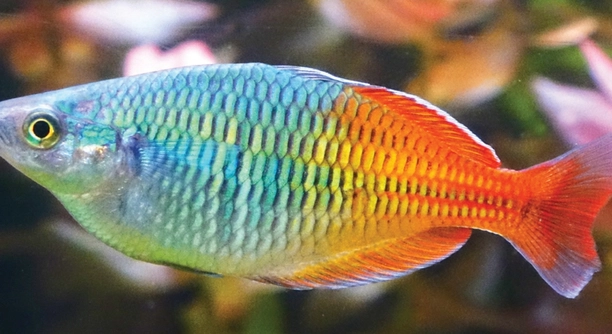
Rainbow fish are popular choices in home aquariums. These vibrant fish have specific preferences when it comes to their living environment. Understanding their needs helps ensure their well-being and makes the aquarium more enjoyable for both fish and owner.
Rainbow fish tend to prefer a quiet, stable tank environment. Excessive noise, rapid movements, or sudden changes in water conditions can cause stress, leading to health problems. A calm and consistent environment is ideal for their overall well-being.
The type of tank you provide can significantly impact their happiness and health. Learn how to set up the perfect environment for your rainbow fish, ensuring they thrive in your aquarium.
Factors That Affect Rainbow Fish Behavior
The environment in which rainbow fish live can greatly influence their behavior and health. Tank size, water quality, temperature, and the presence of other fish all play a role in how these fish interact with their surroundings. A large, well-maintained tank offers plenty of space for the fish to swim, reducing the stress that can occur in cramped spaces. Poor water quality, on the other hand, can lead to diseases, which may impact their overall behavior.
In addition to physical factors, the fish’s mental state is also affected by their environment. Rainbow fish can be shy and prefer areas where they feel secure. If the tank is too busy or noisy, they might hide more often or display erratic movements.
When setting up a tank for rainbow fish, remember to create a stable, peaceful environment. This will allow them to explore and display natural behaviors without feeling threatened or stressed.
Tank Size and Space
The size of the tank directly affects the rainbow fish’s behavior. A larger tank offers room to swim, which is essential for their well-being.
A cramped space leads to stress and often results in reduced activity levels. A spacious tank allows rainbow fish to feel comfortable, encouraging them to swim freely and interact with the environment. Adding plants and decorations can also give them places to explore and hide, mimicking natural habitats.
When choosing the tank size, consider the number of fish you plan to keep. A 30-gallon tank is ideal for a small group of rainbow fish. However, larger tanks are always better for maintaining water quality and providing ample swimming space.
Water Quality and Temperature
Rainbow fish are sensitive to water quality. Maintaining a clean tank with proper filtration is essential. Stagnant or polluted water can cause stress and lead to diseases.
Regular water changes help maintain a healthy environment. It’s important to monitor water parameters, including pH, hardness, and nitrate levels. If the water becomes too acidic or too alkaline, it can negatively affect the fish’s health. Temperature also plays a crucial role; rainbow fish thrive in temperatures ranging from 74°F to 78°F. Keeping the water within this range helps them stay active and healthy.
Always use a reliable water testing kit to check for any changes in the water. It’s important to act quickly if you notice any imbalance, as even small changes can have significant effects on your fish. Investing in a good filter ensures that waste and toxins are removed regularly, keeping the environment stable.
Tankmates and Social Behavior
Rainbow fish are generally peaceful and enjoy being in groups. However, choosing the right tankmates is crucial for their well-being. They tend to do well with other non-aggressive species.
Avoid aggressive or overly territorial fish, as this can cause stress for your rainbow fish. Other peaceful species, like tetras or guppies, are ideal companions. Rainbow fish also appreciate the company of their own kind, so keeping a small group helps them feel more secure. While they aren’t known to school like some fish, they do enjoy being part of a community.
When selecting tankmates, consider the size of your tank and the swimming space needed. Fish that are too large or overly active can stress the rainbow fish. Ensure the tank has enough room for everyone to coexist peacefully without competition for food or space.
Tank Setup and Decorations
The layout of the tank can affect how rainbow fish behave. Using plants, rocks, and hiding spots can make them feel more secure.
Rainbow fish tend to appreciate plants and decorations that mimic natural environments. They enjoy having plenty of swimming space while also finding comfort in areas where they can retreat if needed. Having these features in your tank reduces stress and promotes healthy behaviors.
Feeding and Diet
Rainbow fish are omnivores, so a balanced diet is essential. Offer them a variety of foods, including high-quality pellets, frozen or live foods like brine shrimp, and vegetables like spinach.
A well-rounded diet helps maintain their bright colors and overall health. Overfeeding should be avoided, as it can lead to water quality issues and obesity. Feed them in small amounts twice a day, ensuring they consume everything within a few minutes. Remember that rainbow fish are active swimmers and burn energy quickly, so their diet should be nutrient-rich and varied.
Lighting and Tank Environment
Rainbow fish require moderate lighting to thrive. Too much light can stress them, while too little can affect their colors.
Try to maintain a balance with soft, natural light. A light cycle of 10-12 hours a day is ideal for most setups. You can use a timer to ensure the light turns on and off at regular intervals. Keep in mind that rainbow fish also prefer tanks with a balanced ecosystem, so providing proper lighting, along with other environmental factors, will help them thrive.
FAQ
Do rainbow fish need to live in groups?
Yes, rainbow fish are social creatures and do better when kept in groups. They feel more secure and exhibit more natural behaviors when surrounded by others of their kind. Keeping them in small schools of at least six helps reduce stress and allows them to interact more freely. While they don’t school like some fish, they still enjoy being in the company of others.
What type of water filter is best for rainbow fish?
A good filtration system is crucial for maintaining water quality. Rainbow fish prefer clean, well-oxygenated water. A gentle filter that creates minimal current works best, as excessive water movement can stress them. Hang-on-back filters or canister filters are often recommended, as they provide thorough filtration without creating too much water flow. Be sure to regularly clean and replace filter media to ensure proper function.
Can rainbow fish live with goldfish?
Rainbow fish and goldfish typically have different temperature requirements, which makes it challenging to keep them together. Goldfish prefer cooler water (around 65°F to 75°F), while rainbow fish thrive in warmer temperatures (74°F to 78°F). Keeping both species in the same tank may cause stress for one or both, leading to health issues. It’s best to house them separately or carefully monitor the water temperature if keeping both.
How often should I change the water in my rainbow fish tank?
Water changes should be done regularly to maintain water quality. Aim for a 25-30% water change every week or two. This will help prevent the buildup of harmful toxins like nitrates and keep your fish healthy. Before doing a water change, make sure to use a water conditioner to remove chlorine or chloramine from tap water. Regular water changes also help maintain stable pH and temperature levels.
What should I feed rainbow fish?
Rainbow fish are omnivores, meaning they eat both plant and animal matter. Provide them with a variety of foods, including high-quality flake or pellet foods designed for tropical fish. Additionally, offer live or frozen foods like brine shrimp, daphnia, or bloodworms. Vegetables such as blanched spinach or zucchini can also be included in their diet. A well-rounded, diverse diet will keep them healthy and vibrant.
Are rainbow fish good for beginners?
Rainbow fish can be a good option for beginners due to their hardy nature and relatively easy care requirements. They are tolerant of a wide range of water conditions and are not overly demanding in terms of tank setup. However, beginners should still ensure their tank meets the specific needs of these fish, such as temperature, water quality, and space. With proper care, rainbow fish can live a long and healthy life in your aquarium.
How big do rainbow fish get?
Rainbow fish can vary in size depending on the species, but most grow to around 3-6 inches long. Some larger species, such as the Boesemani rainbow, can reach up to 6 inches. When setting up their tank, ensure there is enough swimming space to accommodate their full size. Keeping a proper tank size allows them to swim freely and reduces stress.
Do rainbow fish jump out of the tank?
Yes, rainbow fish are known to occasionally jump out of the tank, especially if they feel threatened or stressed. To prevent this, ensure your aquarium has a secure lid or cover. Keeping the water level a few inches below the top of the tank can also help minimize the chances of them jumping. If you have plants or decorations near the surface, rainbow fish may try to jump to escape, so it’s important to keep the tank well-secured.
Can rainbow fish live with shrimp?
Rainbow fish can live with shrimp, but there are a few things to consider. Larger rainbow fish may see small shrimp as food, especially if the shrimp are young or weak. However, if you have a larger tank with plenty of hiding spots and a good amount of plants, they may coexist peacefully. It’s best to choose shrimp species that are larger or more resilient, such as Amano shrimp, which are less likely to become prey.
What is the lifespan of rainbow fish?
Rainbow fish typically live between 5 and 8 years, depending on the species and the care they receive. Ensuring a clean, stable environment with proper diet and regular maintenance can help them live a long life. Good water quality, the right tank temperature, and stress-free surroundings all contribute to their overall health and longevity.
Are rainbow fish aggressive?
Rainbow fish are generally peaceful and non-aggressive. They are not territorial and do well in community tanks with other non-aggressive species. However, some species may become a bit more active or assertive during feeding times or when competing for space, but they are usually not a threat to other fish. As long as the tank is well-maintained and the tankmates are compatible, rainbow fish should live harmoniously.
How do I know if my rainbow fish are stressed?
Signs of stress in rainbow fish include erratic swimming, hiding excessively, loss of color, and reduced activity levels. If they are constantly near the surface gasping for air or appear to be rubbing against objects, this may indicate water quality issues or other health problems. Ensure the tank conditions, including water temperature and quality, are within the ideal range for rainbow fish. Reducing noise and sudden movements around the tank can also help alleviate stress.
Can rainbow fish breed in captivity?
Yes, rainbow fish can breed in captivity, but it requires the right environment. A separate breeding tank with soft water, slightly acidic pH, and warm temperatures (around 80°F) is ideal for breeding. To encourage spawning, provide plants or spawning mops where the female can lay eggs. After the eggs hatch, the baby rainbow fish (fry) should be fed fine foods like infusoria or baby brine shrimp until they are large enough to eat regular food. Be prepared for the possibility of fry survival rates being low due to predation by adult fish.
What is the best way to introduce rainbow fish to a new tank?
When introducing rainbow fish to a new tank, it’s important to acclimate them slowly to avoid shock. Start by floating the bag containing the fish in the tank to equalize the water temperature. Then, gradually add small amounts of tank water into the bag over a 15-30 minute period. This allows the fish to adjust to the new water conditions before being released into the tank. Avoid overcrowding and give the fish plenty of space to explore their new home.
Final Thoughts
Rainbow fish are a popular choice for many aquarium owners due to their vibrant colors, peaceful nature, and ease of care. While they are relatively low-maintenance, it is important to ensure their environment meets their needs. Providing a well-maintained tank with appropriate water conditions, good filtration, and suitable tank mates will contribute to their long-term health and well-being. Rainbow fish are hardy, but like all species, they thrive best when their basic needs are met consistently.
One of the key factors in keeping rainbow fish happy is maintaining a stable environment. Regular water changes, monitoring water parameters, and providing a varied diet are essential. Their social nature means they prefer to live in groups, so it is important to keep at least six or more in a tank. This not only helps them feel secure but also encourages natural behaviors. Additionally, while they are not highly demanding, rainbow fish do appreciate having plants and decorations in the tank to create hiding spaces and mimic their natural habitat.
In conclusion, rainbow fish are a great addition to any aquarium, especially for those looking for colorful, active, and relatively easy-to-care-for species. With the right environment and care, they will thrive and add beauty to your tank for years to come. By understanding their specific needs and taking the time to properly set up their living space, you will ensure they remain healthy, happy, and vibrant. Whether you’re a beginner or an experienced aquarist, rainbow fish are a rewarding species to keep.

Hello,
If you enjoy the content that we create, please consider saying a "Thank You!" by leaving a tip.
Every little bit helps us continue crafting quality advice that supports the health, happiness, and well-being of pets around the world, for pets of all shapes, sizes, and species.
We really appreciate the kindness and support that you show us!