
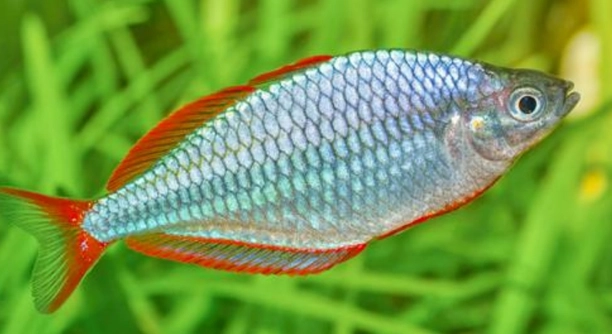
Rainbow fish are vibrant and active creatures, often admired for their beauty. Their environment plays a significant role in their well-being. Understanding their preferences for space can enhance their care and ensure they thrive in their habitats.
Rainbow fish tend to prefer spaces that are open and provide room for swimming freely. While they do not thrive in overly crowded environments, they also require some structure like plants or rocks for hiding, offering a balance between open and busy areas.
This knowledge can help create an ideal space for your fish. Understanding these preferences allows for better care and more enjoyable observation of your rainbow fish.
Importance of Open Spaces for Rainbow Fish
Rainbow fish are naturally active and enjoy exploring their surroundings. In a tank with open spaces, they feel more comfortable to swim and exhibit natural behaviors. When they have enough room, they are less stressed and more likely to display their colorful patterns. Open spaces help maintain a healthy environment by preventing overcrowding, which can lead to territorial disputes and stress.
These fish are accustomed to areas where they can freely move around. Tanks that are too cluttered may cause them to feel confined, leading to unhealthy behaviors. By offering open spaces in their aquarium, you promote physical and mental well-being for the fish.
While open areas are important, a complete habitat for rainbow fish includes more than just swimming space. Adding some plants or decorations can create a sense of security, providing a balance of open water and hiding spots. This setup ensures they have the space they need while maintaining a natural feel to their environment.
The Role of Busy Spaces
Busy spaces in a tank offer some benefits for rainbow fish. Adding elements such as plants, rocks, and driftwood can provide them with hiding spots and stimulate natural foraging behaviors.
However, it’s essential not to overcrowd the tank. Overcrowding can lead to poor water circulation and create too much stress for the fish. The right balance of busy spaces with enough open areas is key to maintaining a thriving tank.
An overly busy environment may cause the rainbow fish to feel trapped, reducing their willingness to swim freely. When space is properly utilized, they can explore without feeling threatened by the excess decorations. The key is moderation in creating a space that is both stimulating and relaxing for your fish.
Open Spaces Encourage Natural Behaviors
Rainbow fish are known for their active swimming patterns. When given plenty of open space, they can move freely, mimicking their behavior in the wild. This freedom helps reduce stress and allows them to exhibit more natural, energetic movements.
With more room to explore, rainbow fish also interact better with each other, as they can maintain proper distances. This reduces aggressive behaviors like chasing and fighting, which are common in overcrowded tanks. They thrive in environments that let them establish a natural territory without the risk of feeling confined or stressed.
Creating open spaces in the tank not only boosts their physical health but also keeps them mentally stimulated. It encourages them to swim across the entire tank, showcasing their vibrant colors and energetic movements. Open areas contribute to a more balanced and peaceful environment, ensuring their well-being.
The Benefits of Busy Spaces
Busy spaces in a tank help to replicate natural habitats. When rainbow fish have access to plants, rocks, and other structures, they feel more secure. These elements offer shelter, hiding spots, and places to rest.
However, it’s important not to overcrowd the tank. Too many decorations can limit the space for swimming and increase the likelihood of territorial issues. When planning busy spaces, ensure there’s enough room for the fish to move around. Combining plants and decorations strategically offers security without overwhelming the fish’s space. Properly arranged elements can also enhance the visual appeal of the aquarium while maintaining fish health.
By carefully selecting the right types of plants and decorations, you can provide a safe and enriching environment. Rainbow fish enjoy these environments as they offer the balance of open areas for movement and hiding spots for comfort.
Open Spaces vs. Busy Spaces
Rainbow fish thrive when given open spaces to swim. These areas allow them to move freely and feel less stressed, making them more likely to show off their vibrant colors and energetic behavior. Open spaces encourage natural movements, which is essential for their overall well-being.
Busy spaces, on the other hand, offer fish hiding spots and protection. They provide a sense of security, which is important, especially for more timid fish. However, too many obstacles can limit their ability to move and swim comfortably. A balance of both types of spaces is ideal for creating a healthy tank environment.
Finding the Right Balance
When designing your aquarium, think about the layout carefully. You should aim to create an environment where rainbow fish can swim without feeling restricted but also provide places for them to hide. Using plants and decorations strategically can help you achieve this balance. A well-thought-out tank setup promotes healthy behaviors and reduces stress.
Decorations like rocks and plants offer shelter without overcrowding the space. Aim to keep the middle of the tank open for swimming, while using the edges and corners for plants or driftwood. This layout allows the fish to feel safe yet have the freedom to swim as they like.
Natural Habitat Simulation
Rainbow fish are used to environments with a mix of open water and areas with some structure, like plants or rocks. Replicating this natural balance in your tank makes them feel more at home. Consider the types of plants and rocks that would mimic their natural surroundings.
This approach helps not only with their physical health but also with their emotional well-being. Having access to hiding spots while still allowing room for movement helps reduce stress. It ensures the fish remain active, social, and healthy, reflecting their behavior in the wild.
FAQ
Do rainbow fish need plants in their tank?
Rainbow fish benefit from the presence of plants in their tank. Plants provide hiding spots, which make the fish feel secure. They also create a more natural environment, which can reduce stress and make the fish more comfortable. While rainbow fish don’t require dense plant cover, a few plants scattered throughout the tank can offer both aesthetic and functional value. Live plants are especially beneficial, as they help improve water quality by absorbing excess nutrients.
How much space do rainbow fish need in an aquarium?
Rainbow fish require plenty of swimming space. A tank size of at least 30 gallons is recommended for a small group of rainbow fish. The more space available, the better, as they are active swimmers and need room to move freely. A larger tank also helps maintain stable water conditions, which is crucial for their health. Overcrowding can lead to stress, so make sure to give each fish enough space to avoid territorial behavior.
Can rainbow fish live with other species?
Rainbow fish are generally peaceful and can coexist with a variety of other species. However, it’s important to consider the size and temperament of potential tank mates. Avoid aggressive or territorial species that might cause stress to your rainbow fish. Peaceful species like tetras, gouramis, and corydoras make great companions. Always ensure that the species you choose have similar water and temperature requirements to maintain a harmonious environment.
What is the ideal water temperature for rainbow fish?
Rainbow fish thrive in water temperatures between 72°F and 79°F (22°C to 26°C). They do best in stable conditions, so it’s important to keep the water temperature consistent. Rapid fluctuations can cause stress and health problems. Using a reliable aquarium heater and thermometer will help maintain the ideal temperature range. If you’re keeping multiple species, make sure the water temperature is suitable for all of them.
Do rainbow fish require a filter?
Yes, rainbow fish require a good filtration system. They produce a moderate amount of waste, so a filter helps maintain clean and healthy water conditions. The filter should be strong enough to circulate the water but not create too strong of a current, as this can stress out the fish. Regular water changes are also important for keeping the tank environment stable. A well-maintained filtration system is essential to providing the best living conditions for rainbow fish.
How often should I feed rainbow fish?
Rainbow fish should be fed once or twice a day. Their diet should consist of a variety of high-quality foods, including flakes, pellets, and occasional live or frozen foods such as brine shrimp or bloodworms. It’s important not to overfeed, as excess food can lead to poor water quality and health issues for the fish. A feeding schedule that provides a balanced diet will help keep your rainbow fish healthy and active.
Are rainbow fish hardy?
Rainbow fish are relatively hardy and adaptable to different water conditions. However, they still require proper care, including regular water changes, proper tank mates, and a stable environment. Their health can be affected by sudden changes in water temperature, pH, or overcrowding. While they are not as delicate as some other species, they still need a clean, well-maintained tank to thrive.
Can rainbow fish breed in a home aquarium?
Yes, rainbow fish can breed in a home aquarium. To encourage breeding, it’s important to provide a well-maintained tank with stable water conditions, including temperature and pH. Rainbow fish typically lay eggs in plants or on surfaces, where they will hatch in a few days. To protect the eggs from being eaten by adult fish, consider setting up a breeding tank or using a breeding net. The fry will need special care and food once they hatch, including fine foods like infusoria or newly hatched brine shrimp.
What is the lifespan of rainbow fish?
Rainbow fish can live up to 5 to 8 years, depending on their environment and care. Providing optimal water conditions, a balanced diet, and regular maintenance will help ensure they live a long, healthy life. Keeping their tank clean and free of harmful chemicals is also important in extending their lifespan. With the right care, rainbow fish can be a lasting and beautiful addition to your aquarium.
Do rainbow fish require a lot of attention?
Rainbow fish are relatively low-maintenance but still require basic care. You’ll need to monitor water quality, temperature, and pH levels regularly. Regular water changes and routine cleaning of the tank are essential for keeping the environment healthy. As long as these tasks are performed, rainbow fish don’t require much day-to-day attention, making them a good choice for both beginner and experienced aquarium owners.
What do rainbow fish eat?
Rainbow fish are omnivorous and enjoy a varied diet. They will eat high-quality flake food, pellets, and occasional live or frozen foods like bloodworms, daphnia, or brine shrimp. It’s important to offer them a balanced diet to ensure they get all the nutrients they need. A varied diet helps keep them healthy and vibrant, as rainbow fish need both protein and plant matter in their diet.
Final Thoughts
Rainbow fish are a beautiful and active addition to any aquarium. Their vibrant colors and lively movements make them a popular choice for both beginners and experienced aquarium owners. While they can adapt to various conditions, they still require proper care to thrive. It’s important to provide them with enough space to swim freely and a balanced environment with both open spaces and areas for shelter. This allows them to feel secure while also encouraging their natural behaviors.
Keeping rainbow fish healthy doesn’t require complicated setups, but it does require consistency. Regular water changes, maintaining the right temperature, and monitoring the water quality are key. These fish are hardy, but like all species, they thrive best in stable conditions. Providing a balanced diet and ensuring that their tank mates are compatible will also help keep them happy and stress-free. A well-maintained tank with the right plants, decorations, and enough space is essential for their well-being.
Overall, rainbow fish are easy to care for, but they do benefit from an environment that mimics their natural habitat. By offering a mix of open space for swimming and hiding spots, you can create a healthy and enjoyable living space for them. With the right care, rainbow fish will continue to thrive, adding color and energy to your aquarium for years to come. Their peaceful nature and adaptable personalities make them a great choice for any aquarium owner looking to add a splash of color and life to their underwater world.

Hello,
If you enjoy the content that we create, please consider saying a "Thank You!" by leaving a tip.
Every little bit helps us continue crafting quality advice that supports the health, happiness, and well-being of pets around the world, for pets of all shapes, sizes, and species.
We really appreciate the kindness and support that you show us!