
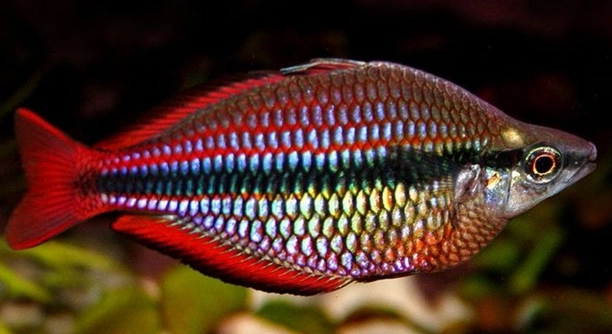
Rainbow fish are popular in home aquariums for their bright colors and lively behavior. One important factor to consider when caring for them is the lighting in their tank. The right lighting can affect their health and activity levels.
Rainbow fish generally prefer bright lighting over dim lighting. Bright light mimics their natural habitat, promoting healthy growth and vibrant colors. Insufficient lighting can lead to stress and reduced activity, affecting their overall well-being.
Proper lighting helps you create the best environment for your rainbow fish. Knowing how to manage light can improve their quality of life.
Importance of Lighting for Rainbow Fish
Rainbow fish are active and vibrant creatures that thrive in well-lit environments. The right lighting not only enhances their colors but also helps them feel secure in their tank. In their natural habitat, they are accustomed to bright conditions, so providing proper lighting mimics their surroundings. When the lighting is too dim, rainbow fish can become stressed and hide more often. Stress can lead to a weakened immune system, making them more susceptible to illnesses. On the other hand, bright lighting encourages them to swim actively and explore, boosting their overall health. It’s also important to keep a consistent light schedule, as sudden changes in lighting can disrupt their behavior and cause anxiety. Balancing lighting intensity with periods of darkness helps them maintain a healthy sleep-wake cycle.
Proper lighting can also benefit the plants and other organisms in the tank. When choosing lights, it’s crucial to consider the brightness, as overly intense lighting may cause algae to grow excessively.
When selecting lighting, it’s helpful to pick a light that offers a spectrum similar to natural sunlight. This will support both your fish and any plants you might have. A 12-hour light cycle, alternating with dark periods, provides a natural rhythm.
Managing Light and Tank Environment
Light intensity plays a major role in keeping your rainbow fish active and healthy.
Adjusting your tank setup for optimal lighting helps maintain a balanced ecosystem. Try using adjustable LED lights that can be tailored to different needs.
Choosing the Right Light for Rainbow Fish
When selecting lights for your rainbow fish tank, consider LED or fluorescent options. Both offer good brightness without producing too much heat. LED lights are energy-efficient and can last longer, making them a practical choice for aquarium setups.
It’s important to pick a light that mimics natural sunlight. Rainbow fish thrive in light that resembles daylight, so choosing a full-spectrum light will promote healthier fish and vibrant colors. Full-spectrum lights also support the growth of aquarium plants, which benefits the overall tank ecosystem. A light with adjustable intensity gives you flexibility to change based on your tank’s needs.
When placing your light fixture, ensure it’s positioned at an appropriate height above the water. Too close and it may overheat the tank, too far and the light won’t penetrate deeply enough. Testing different placements will help find the perfect setup to suit both your fish and plants.
Light and Tank Temperature
Lighting directly affects the temperature of your tank, which can impact the health of your rainbow fish.
If your lighting system creates excessive heat, it may raise the water temperature, stressing the fish. It’s best to use a thermometer to monitor the tank’s temperature and adjust lighting intensity if necessary. If the water gets too warm, consider using a cooling fan or relocating your light fixture to avoid overheating.
Light Duration and Rainbow Fish Behavior
Rainbow fish do best when the light cycle mimics natural conditions. A light schedule of around 12 hours of light followed by 12 hours of darkness supports their natural rhythm.
Consistency is key. Changing the duration of light exposure can disturb their sleep cycle and make them anxious. Keep the light on a timer to avoid constant manual adjustments. This also ensures that the light is not left on too long, which could stress the fish.
Light and Aquarium Plants
Aquarium plants depend on light to grow and thrive. Choosing the right lighting helps plants stay healthy, which benefits your rainbow fish by improving water quality and offering hiding spots.
Plants also absorb excess nutrients in the water, helping keep algae growth in check. Well-lit plants contribute to a healthier, balanced tank environment.
FAQ
What is the best light for rainbow fish?
Rainbow fish thrive in bright, full-spectrum light that mimics natural sunlight. LED or fluorescent lights are often ideal because they are energy-efficient, provide consistent brightness, and last longer than incandescent bulbs. Full-spectrum light promotes vibrant colors and helps plants grow, which benefits the overall tank environment.
How many hours of light do rainbow fish need?
Rainbow fish require a 12-hour light cycle followed by 12 hours of darkness. This simulates natural daylight hours and helps maintain their biological rhythm. A consistent light schedule is crucial to avoid stress and ensure the fish get proper rest. Using a timer for the lights will help keep things on track.
Can rainbow fish tolerate dim lighting?
While rainbow fish can survive in dim lighting, it’s not ideal for their health. They are accustomed to bright environments and can become stressed if kept in too little light for extended periods. Stress can affect their behavior, activity level, and overall health, so bright lighting is preferable.
Does the intensity of light affect rainbow fish?
Yes, light intensity does impact rainbow fish. If the light is too intense, it can raise the water temperature and cause stress. On the other hand, if the light is too weak, it may not be enough to keep the fish active or support plants in the tank. A balanced intensity is best.
How do I prevent algae growth in my tank with lighting?
Algae growth is often influenced by excess light and nutrients in the tank. To prevent algae, limit the amount of light your tank receives, especially if you’re not using plants that absorb excess nutrients. Use a timer to ensure the light stays on only for the necessary duration. Additionally, choose lights that don’t emit too much heat, as warmer temperatures can also encourage algae growth.
Should I use a filter with my aquarium lights?
Yes, using a filter is important regardless of the lighting. A filter helps keep the water clean by removing excess nutrients and debris. Clean water contributes to the health of both your rainbow fish and any plants in the tank. It also helps prevent issues with algae growth, which can be triggered by poor water quality.
How can I manage the temperature in the tank with lighting?
If the lighting in your tank is raising the temperature too much, you can adjust the intensity or switch to a cooler type of light, such as LED lights, which emit less heat. Additionally, placing the light fixture higher above the tank can reduce its effect on water temperature. Monitoring the water temperature with a thermometer is key to keeping things balanced.
Can rainbow fish live in tanks with low light for extended periods?
Rainbow fish can tolerate low light for short periods, but prolonged exposure to dim conditions can lead to stress and health issues. It is important to provide them with brighter light for at least part of the day to support their activity levels and overall well-being. Aim to replicate their natural light conditions as closely as possible.
How do I know if my rainbow fish are stressed by lighting?
Stressed rainbow fish may exhibit behaviors such as hiding, reduced activity, or changes in color. If your fish are frequently staying in shaded areas or appear lethargic, it could be a sign that the lighting is too dim or too bright. Watch for any changes in their behavior and adjust the lighting accordingly.
Is it okay to use colored lights for rainbow fish?
Colored lights, such as blue or red, are fine for short periods, especially if you’re trying to enhance the colors of your fish for viewing purposes. However, it’s important to remember that rainbow fish are best suited to full-spectrum light for overall health. Colored lights can distort their natural environment and may not provide the necessary lighting for plants or the fish’s biological needs.
How do I adjust lighting for a planted aquarium with rainbow fish?
In a planted aquarium, the right light is essential for both your plants and fish. Full-spectrum LED lights work well because they offer the intensity and wavelength needed for plant growth while also providing the brightness rainbow fish prefer. You may need to adjust the duration of the light cycle to support plant growth without encouraging excess algae.
Can I leave the lights on 24/7 for my rainbow fish?
No, leaving the lights on constantly is not advisable. Rainbow fish, like all fish, need a period of darkness to rest and maintain a healthy sleep-wake cycle. Continuous light can disrupt their circadian rhythm, cause stress, and impact their overall health. A timer can help ensure that the lights go off at night for the necessary rest period.
What should I do if my rainbow fish aren’t active despite proper lighting?
If your rainbow fish aren’t active, there could be other factors at play, such as water quality, tank temperature, or diet. While lighting is important, make sure the tank conditions are balanced. Test the water for ammonia, nitrate, and nitrite levels, and ensure the temperature is within the ideal range. Sometimes, improper nutrition or stress from tank mates can also affect their behavior.
Can I use natural sunlight for my rainbow fish tank?
While natural sunlight can be beneficial, it is generally not the best option for rainbow fish tanks. Sunlight can fluctuate throughout the day, leading to inconsistent light exposure. It can also increase the risk of algae growth due to excess nutrients. If you choose to use natural sunlight, ensure that the tank is in a spot with stable light and monitor the conditions carefully.
How do I prevent lighting issues when traveling or away?
If you’re going to be away, set up a timer for your aquarium lights to maintain a consistent light cycle. This ensures your rainbow fish are getting the right amount of light each day without manual adjustments. Additionally, consider asking someone to check the tank, especially if you have live plants or specific temperature needs.
Final Thoughts
Choosing the right lighting for your rainbow fish tank is essential for their overall well-being. Bright, full-spectrum lighting mimics their natural environment and encourages healthy growth, vibrant colors, and active behavior. It’s important to provide a consistent light schedule, ideally 12 hours of light followed by 12 hours of darkness, to help them maintain their biological rhythm. A good light cycle supports not only your fish but also any plants in the tank, creating a balanced and thriving aquarium environment.
While light intensity is important, it’s equally crucial to monitor the temperature and adjust as needed. Overly intense light can increase the tank’s temperature, potentially stressing your rainbow fish. On the other hand, dim lighting may cause them to become inactive and stressed. By using the right light intensity and carefully managing the tank temperature, you can create a comfortable environment for your fish. Keeping a stable light schedule is another way to prevent any disruption in their sleep patterns, which can lead to stress or health issues.
Finally, remember that while lighting plays a major role, it’s just one part of maintaining a healthy aquarium. Water quality, filtration, and temperature are also essential to your rainbow fish’s health. Keeping a balanced tank with proper lighting, clean water, and appropriate temperature will help your fish thrive. Taking the time to ensure that all aspects of your tank are in harmony will lead to a happier, healthier environment for your rainbow fish.

Hello,
If you enjoy the content that we create, please consider saying a "Thank You!" by leaving a tip.
Every little bit helps us continue crafting quality advice that supports the health, happiness, and well-being of pets around the world, for pets of all shapes, sizes, and species.
We really appreciate the kindness and support that you show us!