
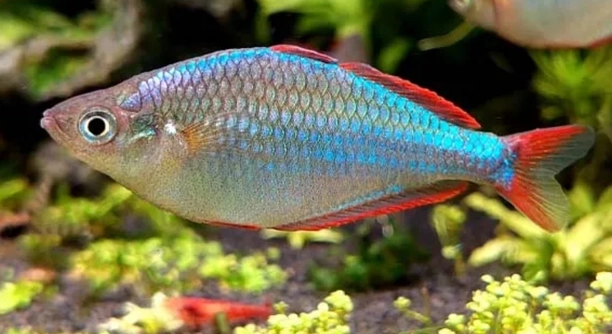
Rainbow fish are known for their vibrant colors and active nature, making them a popular choice for aquariums. Understanding their light preferences can contribute to their overall well-being. Proper lighting plays a key role in maintaining their health and behavior.
Rainbow fish generally prefer natural daylight over artificial tank lights. They thrive under consistent light cycles, with periods of darkness and light resembling their natural habitat. This pattern supports their biological rhythms, ensuring optimal health and activity.
Knowing their light preferences can improve your rainbow fish’s environment and behavior, enhancing their comfort and vitality in the aquarium.
The Importance of Lighting for Rainbow Fish
Lighting is not just a decorative feature in your aquarium; it affects your rainbow fish’s behavior and health. In their natural habitat, these fish experience a balance of daylight and night. Mimicking this environment helps maintain their biological rhythms. Rainbow fish are known to be most active during daylight hours. When exposed to consistent light and dark cycles, they tend to exhibit better feeding behaviors, swim more actively, and show vibrant colors. If their light exposure is too irregular, it may lead to stress, making them more prone to illness.
While tank lights can provide sufficient illumination, they should be used wisely. Too much artificial light can disrupt the fish’s natural cycles, leading to stress or erratic behavior. It’s best to have the lights on for around 10-12 hours a day, allowing for a proper rest period at night.
Incorporating natural light can be beneficial, but make sure it doesn’t expose the tank to fluctuating temperatures. Excessive heat from sunlight might harm the fish or destabilize the tank environment. A consistent schedule of lighting and dark hours mimics their natural surroundings, contributing to their overall well-being.
How to Set Up the Right Light Cycle
Finding the right light cycle for your rainbow fish is simple but essential. Consistency is key.
To create an ideal light schedule, consider setting the tank lights to mimic a natural day and night cycle. Aim for 10-12 hours of light followed by a period of darkness. This not only supports your fish’s behavior but also helps prevent algae growth.
Daylight vs. Tank Lights: Which is Better?
Daylight is beneficial for rainbow fish, but artificial tank lights are necessary to maintain consistent lighting cycles. Both have their pros, but it’s important to strike a balance.
Natural sunlight can enhance their color vibrancy and boost activity levels. However, direct sunlight might cause temperature fluctuations, affecting water quality. On the other hand, artificial tank lights provide more control. They allow you to maintain a consistent light cycle, essential for their health.
Having a combination of both can work well. Use natural daylight during the day, but if sunlight is too harsh or inconsistent, supplement it with tank lights. Just ensure the light cycle remains stable, with periods of both light and dark.
Tank Light Types and Their Impact
Choosing the right type of tank light is crucial for rainbow fish. Different lights can influence their environment.
Fluorescent lights are commonly used in aquariums as they provide adequate brightness without overheating the water. LED lights are another popular choice because they are energy-efficient, long-lasting, and available in various color temperatures. When choosing lights, opt for a cool or natural white hue that mimics daylight.
Duration of Light Exposure
Rainbow fish require a consistent light cycle to maintain their health. Around 10-12 hours of light each day works well.
Too much light can cause stress and encourage algae growth, while too little light may lead to inactivity and poor health. Ensure there’s a clear distinction between light and dark periods.
Using Timers for Consistency
A timer for your tank lights can help maintain a regular day-night cycle. It prevents overexposure and ensures your fish get the proper rest.
Using a timer allows you to set a consistent schedule for your rainbow fish, simulating their natural habitat and supporting their biological rhythms.
FAQ
Do rainbow fish need light at night?
Rainbow fish do not require light at night. In fact, they need a period of darkness to rest properly. Like many fish, they rely on natural light cycles to maintain their biological rhythms. Keeping lights off during the night helps them sleep and reduces stress. A clear distinction between day and night is vital for their overall health.
Can rainbow fish tolerate bright light?
Rainbow fish can tolerate bright light, but they generally prefer a more natural, moderate light intensity. Too much brightness can cause stress, making them more prone to health issues. It’s best to maintain a balanced light cycle, where light intensity is not overwhelming and mimics their natural environment.
How long should tank lights be on for rainbow fish?
Tank lights should be on for around 10-12 hours a day. This is similar to a natural day cycle and helps your rainbow fish stay active and healthy. It’s important not to keep the lights on too long, as this can lead to stress and contribute to algae growth. A consistent light schedule is key.
Do rainbow fish prefer white or blue light?
Rainbow fish generally prefer white light, as it closely resembles daylight. Blue light can sometimes be used for accent lighting, but it’s not as beneficial for the fish’s health. White or natural light helps highlight their vibrant colors and keeps their circadian rhythms in sync.
Can rainbow fish live without a light?
Rainbow fish can technically live without light, but it’s not ideal. Light is necessary to regulate their biological rhythms, stimulate feeding behavior, and maintain their color vibrancy. If you need to reduce light exposure, make sure there’s still a proper day-night cycle, even if it’s through dim or indirect light.
Is LED light safe for rainbow fish?
Yes, LED lights are safe for rainbow fish when used correctly. They are energy-efficient and long-lasting, providing sufficient brightness without overheating the tank. Opt for LED lights with a color temperature of around 6,500K, which mimics natural daylight. It’s important not to use overly bright LED lights, as this can stress the fish.
What happens if rainbow fish get too much light?
Too much light can cause stress in rainbow fish. Prolonged exposure to bright light may lead to erratic behavior, a weakened immune system, and reduced activity. It can also promote excessive algae growth in the tank, which can degrade water quality. Maintaining a balanced light schedule will help prevent these issues.
How do I adjust the lighting for my rainbow fish?
To adjust lighting for your rainbow fish, start with a timer to maintain consistent light periods, keeping the lights on for 10-12 hours a day. You can experiment with light intensity and position, but make sure it simulates a natural day-night cycle. Avoid positioning the tank in direct sunlight, as it can lead to temperature fluctuations.
Can rainbow fish be kept in a tank with no natural light?
Rainbow fish can be kept in a tank without natural light as long as artificial lighting mimics natural daylight patterns. If the tank doesn’t receive any natural light, be sure to use artificial lighting for 10-12 hours a day. This will help keep your fish healthy, vibrant, and active.
Does light affect rainbow fish’s color?
Yes, light does affect the color of rainbow fish. Proper lighting helps bring out their natural vibrant hues. Under adequate light, rainbow fish show more intense colors and patterns, making them more visually striking. The right lighting also supports their overall health and well-being, keeping them active and healthy.
Can rainbow fish get stressed from too little light?
Yes, too little light can stress rainbow fish. Inadequate lighting can cause inactivity, poor appetite, and reduced health. Without enough light, they may not be able to maintain their biological rhythms properly. It’s important to strike a balance between enough light for activity and rest periods for recovery.
How often should I change the tank light bulb?
You should change the tank light bulb every 6 to 12 months, depending on the type of bulb used. Fluorescent bulbs typically last 6-8 months, while LEDs last much longer. Over time, the intensity of the light diminishes, which could affect the health of your rainbow fish. Regularly replacing bulbs ensures consistent light levels for your fish.
Final Thoughts
Proper lighting plays a significant role in the health and well-being of rainbow fish. These fish thrive when their environment mimics natural light cycles. While artificial tank lights are essential for maintaining consistent day-night patterns, it’s important to avoid overexposure. Too much light can cause stress, disrupt their biological rhythms, and promote algae growth, which can affect water quality. On the other hand, insufficient light can lead to inactivity and poor health. By ensuring a proper balance between light and dark periods, you can help your rainbow fish stay active, vibrant, and healthy.
When setting up lighting for your rainbow fish, it’s essential to choose the right type of light. LED lights and fluorescent bulbs are both good options, but make sure they emit natural or cool white light. These lights mimic daylight, helping the fish maintain their circadian rhythms and showing off their beautiful colors. The light should be on for about 10-12 hours per day, which simulates the natural length of daylight. Using a timer for consistency can make it easier to regulate light exposure and ensure your fish get the right amount of light and rest. This balanced light schedule will keep them in good shape, reducing stress and allowing them to feel comfortable in their environment.
Remember that the light conditions in your tank should always take the overall tank environment into account. For example, natural light can be a great supplement, but direct sunlight might cause temperature fluctuations and stress the fish. It’s best to keep your tank in a spot with indirect natural light or use artificial lights to control the environment more effectively. Maintaining stable lighting, combined with regular water changes and proper care, can ensure your rainbow fish enjoy a healthy, happy life in your aquarium.

Hello,
If you enjoy the content that we create, please consider saying a "Thank You!" by leaving a tip.
Every little bit helps us continue crafting quality advice that supports the health, happiness, and well-being of pets around the world, for pets of all shapes, sizes, and species.
We really appreciate the kindness and support that you show us!