
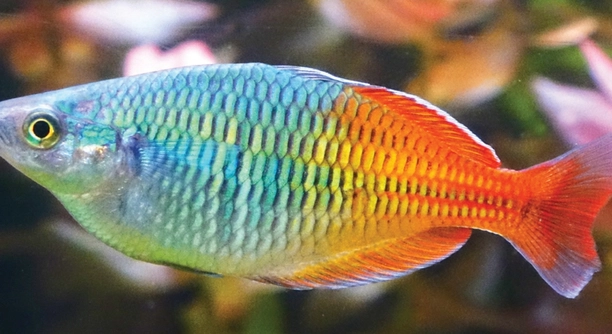
Rainbow fish are known for their striking colors and lively personalities. However, when it comes to their habitat, their preferences may vary. The type of environment they thrive in can influence their behavior and health.
Rainbow fish generally prefer calm and peaceful environments with minimal disturbances. A stable and quiet tank helps reduce stress, which is vital for their well-being. It allows them to exhibit natural behaviors and maintain vibrant colors.
Understanding the optimal tank conditions for rainbow fish can help you provide the best environment for them. This information ensures their health and enhances your aquarium experience.
Tank Environment and Rainbow Fish Behavior
Rainbow fish are naturally curious and active, often swimming through different areas of the tank. A busy tank with a lot of movement or noise may not be ideal for them. They are more comfortable in environments that provide ample space and gentle currents. In tanks with too much activity, rainbow fish might retreat to quieter corners, avoiding interactions with other fish.
A calm environment is beneficial for rainbow fish, allowing them to feel secure and active. It’s important to ensure that there’s enough room for them to swim freely without feeling overwhelmed.
The presence of plants, rocks, and other decorations can add to the sense of security in the tank. These elements also provide hiding spots and breeding areas. Having a well-balanced setup that includes peaceful water flow and strategic placement of items can significantly enhance the comfort of rainbow fish, helping them stay active and healthy in their surroundings.
Water Conditions and Their Impact
Water quality plays a key role in the well-being of rainbow fish.
Maintaining clean and stable water conditions is essential to ensure that rainbow fish thrive. Changes in water temperature, pH levels, or water hardness can cause them stress. Consistent filtration, regular water changes, and monitoring of these factors will support their health.
Rainbow fish thrive in soft to moderately hard water with a pH between 6.5 and 7.5. The temperature should remain between 72-79°F. Sudden fluctuations in these conditions can weaken their immune systems, making them more susceptible to diseases. Regularly testing water parameters will help prevent stress and maintain the optimal environment.
Tank Size and Space Requirements
Rainbow fish require space to swim freely. A cramped tank can cause stress, which may lead to behavioral issues. They need a minimum of a 30-gallon tank for a small group. This ensures enough room for them to move comfortably.
With more space, rainbow fish can exhibit natural behaviors, like exploring different areas and interacting with each other. Overcrowding can cause them to become territorial, leading to aggression and poor health. It’s essential to provide a larger tank for a group of rainbow fish to avoid such problems.
In addition to the size of the tank, having plenty of horizontal space allows rainbow fish to swim across long stretches. This promotes their physical health and helps them feel secure. A spacious setup will also allow them to form groups, which is crucial for their social structure.
Filtration and Water Movement
Proper filtration is crucial for maintaining water quality. Rainbow fish prefer gentle water movement.
When setting up the tank, consider a filter that provides efficient water circulation without creating strong currents. Filters that create turbulent water can stress rainbow fish, especially if they are unable to find calmer areas. Proper filtration also ensures that waste is removed from the water, preventing harmful bacteria buildup.
In addition to using a good filter, adjusting the flow rate to keep water movement mild is important. Rainbow fish will avoid areas with strong currents, so it’s best to create pockets of calm water in different parts of the tank. This setup gives them the freedom to explore and swim at their own pace.
Tank Decorations and Hiding Spots
Rainbow fish appreciate a well-decorated tank. Having plants and rocks provides them with hiding spots and areas to explore. These elements create a more natural environment and give them a sense of security.
It’s important to avoid sharp decorations that could injure rainbow fish. Opt for soft plants and smooth rocks. Decorations should be placed in a way that offers swimming paths while maintaining some sheltered spots.
Light and Day-Night Cycle
Rainbow fish thrive with a regular light schedule. A stable day-night cycle helps them maintain natural rhythms.
Providing 10-12 hours of light each day, followed by darkness at night, supports their overall health. Lighting should not be too harsh; bright, soft lighting works best. This also reduces stress, helping them feel more secure in their environment.
FAQ
Do rainbow fish prefer calm or busy tanks?
Rainbow fish are more comfortable in calm, peaceful tanks. While they enjoy swimming, they thrive in environments with minimal disturbances. Busy tanks with constant activity may cause stress and force them to hide. A peaceful setup with gentle water flow will help them feel secure and allow them to display natural behaviors.
What water temperature is best for rainbow fish?
Rainbow fish prefer a stable water temperature between 72°F and 79°F (22°C and 26°C). Fluctuating temperatures can cause stress, so it’s important to maintain consistency. An aquarium heater will help regulate the temperature, especially if you live in an area with varying room temperatures. Regularly check the water temperature to keep it within this range for the best results.
Can rainbow fish live with other species?
Yes, rainbow fish can live with a variety of peaceful fish species. They are generally calm and non-aggressive. However, it’s important to avoid placing them with overly aggressive or territorial fish. Peaceful tank mates like tetras, guppies, and other non-aggressive species can coexist well with rainbow fish. Just ensure that all fish in the tank have enough space to avoid territorial disputes.
How often should I feed rainbow fish?
Rainbow fish should be fed small amounts 2-3 times a day. Overfeeding can lead to water quality issues, so it’s important to only give them as much food as they can consume in a few minutes. A balanced diet of high-quality flake or pellet food, supplemented with live or frozen food such as brine shrimp or daphnia, will keep them healthy.
What are the signs of stress in rainbow fish?
Stress in rainbow fish can manifest in several ways, including hiding more than usual, loss of color, erratic swimming, or excessive gasping for air. Stress can be caused by poor water conditions, overcrowding, aggressive tank mates, or sudden changes in the environment. If you notice these signs, it’s crucial to check water parameters and make adjustments to the tank setup.
Do rainbow fish need a filter?
Yes, rainbow fish require a filter to maintain good water quality. The filter helps remove waste, toxins, and debris, ensuring that the water remains clean. It also helps keep the oxygen levels stable. Be sure to use a filter with a gentle flow to avoid creating strong currents, as rainbow fish prefer calm waters.
How can I encourage breeding in rainbow fish?
To encourage breeding, ensure the water conditions are ideal. This includes a temperature range of 74°F to 78°F and a slightly acidic to neutral pH level. Provide plenty of plants for the fish to lay their eggs on. When the conditions are right, rainbow fish will breed naturally. You can also increase the number of males in the tank to encourage competition and courtship.
What kind of plants are best for a rainbow fish tank?
Rainbow fish enjoy a tank with plants that offer hiding spots and areas to explore. Live plants such as Java moss, Amazon sword, and Anubias are great options. These plants provide shade, improve water quality, and enhance the overall look of the tank. Avoid plants with sharp edges, as they could damage the fish.
Do rainbow fish need to be in groups?
Yes, rainbow fish should be kept in groups to thrive. They are social creatures that prefer the company of others of their kind. A small group of at least 5-6 rainbow fish will help them feel secure and reduce stress. Grouping them together will also allow them to exhibit natural social behaviors, including schooling and foraging.
How do I keep the water quality optimal for rainbow fish?
Maintaining water quality for rainbow fish involves regular water changes, proper filtration, and monitoring water parameters. Perform partial water changes of 25-30% every 1-2 weeks to remove toxins and waste buildup. Check the water’s pH, hardness, and temperature regularly to ensure it stays within the recommended ranges. A quality filter and consistent maintenance will help keep the water clean.
Can rainbow fish tolerate different water hardness levels?
Rainbow fish can tolerate a range of water hardness levels, from soft to moderately hard water. However, it’s best to keep the water slightly soft to moderately hard, with a general hardness (GH) between 4-12 dGH. Extremely hard water can stress rainbow fish, so regular monitoring is recommended to keep the water within their preferred range.
How long do rainbow fish live?
Rainbow fish typically live for 5-8 years in a well-maintained tank. Their lifespan can be influenced by factors such as water quality, tank mates, and overall care. Providing them with a stress-free environment, stable water conditions, and a proper diet will help ensure they live a long, healthy life.
Do rainbow fish need any special care?
Rainbow fish don’t require special care, but they do need attention to their basic needs. Regular water changes, proper filtration, and a balanced diet are key to their well-being. They are relatively hardy fish, but keeping their tank environment stable and clean is important to prevent stress or illness. Regularly monitor the water parameters to keep them healthy.
Why are my rainbow fish losing color?
Loss of color in rainbow fish can be a sign of stress or poor water conditions. Factors such as high ammonia levels, fluctuating temperatures, or overcrowding can cause their colors to dull. Ensure the tank is well-maintained, with stable water conditions and enough space for the fish to feel secure. Also, check for any potential illnesses that could be affecting their coloration.
Final Thoughts
Rainbow fish are vibrant and peaceful creatures that can thrive in well-maintained aquariums. They need a spacious, calm environment with gentle water movement to feel secure. By keeping their tank clean and stable, and providing the right amount of space, these fish will show their true colors and natural behaviors. Ensuring the right water temperature, filtration, and lighting is essential for their overall well-being. Rainbow fish are social animals, so it is important to keep them in groups of at least five or six to reduce stress and encourage natural interaction.
When setting up a tank for rainbow fish, it’s crucial to consider their need for plants and decorations. These elements not only make the tank more visually appealing but also offer hiding spots and areas for exploration, contributing to their sense of safety. Using smooth rocks and soft plants is best to avoid causing injury. The right tank size is also important—generally, a 30-gallon tank is recommended for a small group. Keeping the water clean and oxygenated is essential for their health, so investing in a good filter and doing regular water changes will help maintain an ideal environment.
In conclusion, rainbow fish make great additions to a community tank if their specific needs are met. They are hardy and adaptable but require a stable, peaceful setup to thrive. Providing a calm environment, suitable tank mates, and proper care will result in vibrant, happy fish. By paying attention to their water quality, temperature, and social needs, you can ensure they live a long and healthy life in your aquarium.

Hello,
If you enjoy the content that we create, please consider saying a "Thank You!" by leaving a tip.
Every little bit helps us continue crafting quality advice that supports the health, happiness, and well-being of pets around the world, for pets of all shapes, sizes, and species.
We really appreciate the kindness and support that you show us!