
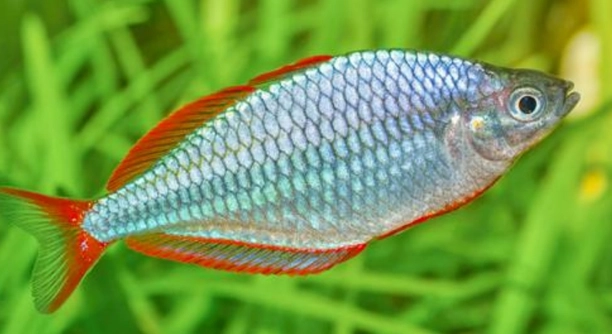
Rainbow fish are known for their vibrant colors and lively behavior, making them a favorite among aquarium enthusiasts. Many people wonder how these beautiful fish behave during mating seasons and whether they form lasting pairs.
Rainbow fish do not typically pair off for mating seasons. While they may exhibit certain courtship behaviors, they generally breed in groups rather than forming long-term monogamous pairs. The males compete for female attention during the breeding season.
Understanding the mating behavior of rainbow fish can provide insight into their social dynamics. This knowledge helps ensure that these colorful creatures thrive in your aquarium environment.
Do Rainbow Fish Mate for Life?
Rainbow fish are not monogamous, and they don’t form long-term bonds with a single partner. Instead, they engage in a breeding process where multiple males compete for the attention of females. This dynamic occurs during the breeding season, which is typically triggered by factors like water temperature, light levels, and food availability. These fish are known to spawn in groups, with males performing displays to attract females. Once a female selects a male, they will pair up temporarily for mating, but this connection is not permanent. Afterward, the male moves on to court other females, continuing the cycle.
This breeding behavior highlights the natural tendencies of rainbow fish, which prefer a more fluid and communal approach to reproduction. It ensures genetic diversity, as different males mate with various females.
It is important to provide ample space and hiding spots in an aquarium if you plan to breed rainbow fish. Offering a balanced diet and maintaining water quality also plays a key role in successful spawning. When given the right conditions, rainbow fish will thrive in a community setting, with males and females interacting freely during mating season.
How Does Mating Season Impact Their Behavior?
During mating season, rainbow fish undergo noticeable changes in behavior. Males will become more active, swimming vigorously and displaying their bright colors to attract females. These vibrant colors signal their readiness and health to potential mates.
This change in behavior is not just about reproduction but also socializing within their group. The males’ displays and the females’ responses create a more lively, competitive environment, ensuring that only the healthiest and strongest males successfully mate. The competition for mates can also lead to increased aggression, especially between males, though it is usually brief. Understanding these shifts can help aquarium owners anticipate breeding times and manage tank dynamics.
The presence of more than one male in a breeding group promotes competition, which can increase the overall vigor of offspring. By ensuring that several males have the opportunity to breed with different females, the population becomes stronger and more resilient. These behaviors are essential for maintaining the species’ survival and genetic health.
How to Set Up Your Tank for Breeding
To encourage breeding, your rainbow fish tank needs to mimic their natural environment. Maintain clean water, moderate temperatures, and proper lighting. Make sure the water is soft and slightly acidic to resemble the conditions of their native habitats. Adding plants and hiding spaces will also provide a sense of security for the fish.
Keep the tank temperature between 74°F and 80°F to trigger spawning. The lighting should be on a 12-hour cycle to simulate day and night. Ensure the filtration system doesn’t create strong currents, as rainbow fish prefer calm waters during breeding. A well-maintained tank will encourage the fish to feel comfortable enough to breed.
Be sure to provide enough space for the fish to move around freely. Rainbow fish are social creatures, so it’s best to have several fish together during breeding periods. This setup allows males to display their colors, making it easier for females to select mates.
What Do Rainbow Fish Eat During Mating Season?
Rainbow fish require a high-protein diet to support their health and breeding activities. During mating season, their nutritional needs increase to sustain their energy levels and enhance fertility. Offer a mix of live and frozen foods like brine shrimp, daphnia, and bloodworms to encourage breeding.
In addition to live foods, you can feed them high-quality flakes or pellets that are rich in protein. These foods will provide the necessary nutrients for the fish to stay healthy and active during breeding. You can also supplement their diet with vegetable matter like spirulina or blanched spinach.
A balanced diet is key to maintaining the fish’s condition during mating. Overfeeding can lead to poor water quality, so it’s best to feed your fish in small, frequent amounts. Clean up any leftover food quickly to prevent water contamination. Healthy fish are more likely to reproduce successfully.
Breeding Behavior of Male Rainbow Fish
Male rainbow fish exhibit unique behaviors during the mating season. They often display vivid colors to attract females and engage in competitive swimming to prove their strength. These displays may include circling females, performing rapid swimming patterns, or nipping at other males to establish dominance.
Males may also make physical contact with females, nudging them or chasing them around the tank. This behavior is part of the courtship ritual, where males attempt to get the female’s attention. During this period, males will focus all their efforts on gaining access to a mate.
Female Rainbow Fish Reproduction
Female rainbow fish play a passive role during courtship. Once a male gains her attention, she will choose the most suitable mate based on his display and health. After mating, the female will deposit her eggs in plants or substrate.
These eggs are typically small and translucent, making them easy to spot if you inspect the tank carefully. Females can spawn several times during the breeding season, producing multiple batches of eggs. The eggs will hatch in about 7 to 10 days under ideal conditions.
How to Identify Spawning Behavior
Identifying spawning behavior in rainbow fish is crucial for managing the breeding process. Males will become more active and start their courtship rituals, while females may become rounder as they fill with eggs. Keep an eye on these signs to know when breeding is likely to occur.
FAQ
Do rainbow fish lay eggs or give birth to live young?
Rainbow fish lay eggs. During the breeding season, females release their eggs, which are then fertilized by the males. These eggs are typically deposited on plants or the substrate. After fertilization, the eggs will hatch in about a week to ten days, depending on the tank conditions. The young fry will swim away soon after hatching and begin to feed on microscopic organisms in the tank.
How can I tell if my rainbow fish are ready to breed?
When rainbow fish are ready to breed, you’ll notice changes in their behavior. Males will become more colorful and active, swimming in circles around females and showing off their bright colors. Females may appear fuller as they fill with eggs. Look for these signs and keep an eye on the water conditions to ensure they’re optimal for breeding.
Can rainbow fish breed in a community tank?
Yes, rainbow fish can breed in a community tank, but there are a few things to keep in mind. Make sure there are no aggressive species that could interfere with the courtship rituals or harm the fish. Provide plenty of hiding spots and plants where the female can deposit her eggs. The fish will usually breed without interference if the environment is suitable.
Do I need to separate the male and female rainbow fish for breeding?
It’s not necessary to separate the male and female rainbow fish for breeding, as long as the tank conditions are favorable. However, providing extra space or a breeding tank with soft plants or fine-leaved vegetation can encourage the spawning process and give the female a safe place to lay her eggs. If you want to raise the fry separately, consider removing the adult fish after breeding.
How do I care for the rainbow fish fry after hatching?
Once the fry hatch, they will be very small and need to be fed appropriately. You can feed them baby brine shrimp or special fry food that contains fine particles. Keep the water clean and stable to ensure their survival. It’s important to provide good filtration without strong currents, as the fry are delicate and can easily be swept away. The fry will grow rapidly with proper care and start eating larger foods as they mature.
What water conditions are best for breeding rainbow fish?
Rainbow fish thrive in slightly acidic to neutral water with a temperature range of 74°F to 80°F. Soft water is preferable, though they can tolerate slightly harder water. Regular water changes are essential to maintain good water quality. Be sure to keep the tank clean and check for ammonia or nitrite spikes, as these can harm both the adults and the fry. Maintaining stable conditions will help encourage breeding.
Can I breed different species of rainbow fish together?
It’s generally not recommended to breed different species of rainbow fish together, as they may produce hybrids with unpredictable traits. While some species may be similar in behavior and appearance, crossbreeding can result in weaker offspring or unpredictable traits, which may not be desirable. It’s best to stick with one species when breeding to ensure healthy and recognizable offspring.
How long does it take for rainbow fish to breed after introducing them to a breeding tank?
Rainbow fish typically take a few days to a few weeks to start breeding after being introduced to a breeding tank. Once in the right conditions, the males will begin their courtship displays, and females may start laying eggs soon after. The exact time frame depends on water temperature, lighting, and the overall health of the fish.
How often do rainbow fish breed?
Rainbow fish can breed multiple times during the breeding season, which usually lasts several weeks. Female rainbow fish may release eggs every few days during this period. However, it’s important to not overbreed them, as it can lead to stress and health issues. Allow the female to rest between breeding sessions to ensure her well-being.
Can rainbow fish breed without a male?
No, female rainbow fish cannot breed without a male. They require fertilization from the males for their eggs to develop. The males’ courtship behaviors and fertilization process are vital to successful breeding. Without the male’s involvement, the eggs will remain unfertilized and won’t hatch.
Is it difficult to breed rainbow fish?
Breeding rainbow fish isn’t overly difficult, but it does require attention to detail. Providing the right water conditions, temperature, and nutrition is essential. If these conditions are met, the fish will often breed without much interference. However, breeding success can depend on the species and the individual fish’s health and temperament.
Final Thoughts
Rainbow fish are fascinating creatures, and their breeding behavior offers some interesting insights into their natural instincts. While they do not form lasting pairs, their breeding process is still quite complex. Males show off their vibrant colors and compete for the attention of females, creating a dynamic environment during the breeding season. Although they don’t pair for life, the process helps ensure genetic diversity, which is important for the health of the species. Understanding how these fish behave during mating can help aquarium owners provide the right environment for them to thrive.
Setting up the right conditions is essential for encouraging rainbow fish to breed. A well-maintained tank with appropriate water conditions, lighting, and space for the fish to move around freely will give them the best chance to reproduce. Providing plenty of plants or hiding spots can also make females feel more secure when depositing their eggs. It’s important to also feed rainbow fish a balanced diet to support their health and energy during the breeding process. The better the conditions, the more likely you’ll see successful breeding and healthy fry.
While rainbow fish don’t form long-term pairs, their breeding season still brings an exciting energy to the tank. By understanding their behaviors and creating a comfortable environment, you can enjoy watching the males show off their beautiful colors and the females lay their eggs. With the right care, rainbow fish will not only breed but continue to thrive in your aquarium. The process may take some patience, but seeing the vibrant colors and lively behavior during mating season can be quite rewarding.

Hello,
If you enjoy the content that we create, please consider saying a "Thank You!" by leaving a tip.
Every little bit helps us continue crafting quality advice that supports the health, happiness, and well-being of pets around the world, for pets of all shapes, sizes, and species.
We really appreciate the kindness and support that you show us!