
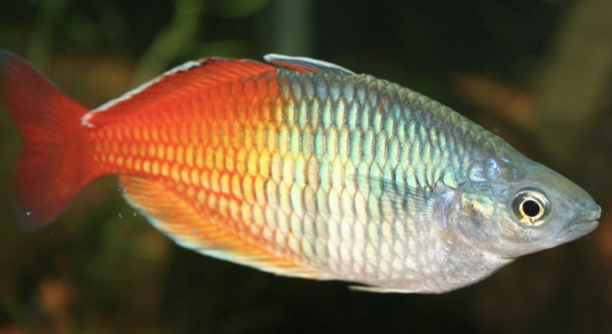
Rainbow fish are known for their vibrant colors and active behavior in the aquarium. But do they notice when someone walks by their tank? This simple question raises interesting thoughts about fish perception and behavior.
Rainbow fish, like many other species, are sensitive to movement and changes in their environment. Their ability to detect movement helps them respond to potential threats or food sources, which may include humans walking past the tank.
The way they react to you walking by could reveal more than just their instinct to swim away or stay still. Understanding this can help you build a better connection with your aquarium’s inhabitants.
How Rainbow Fish Perceive Movement
Rainbow fish rely heavily on their vision and movement detection to navigate their environment. Their eyes are adapted to detect even small changes in their surroundings. When you walk by their tank, they can see the motion and may react by either swimming away or moving toward the source. This behavior is rooted in instinct, as fish are generally wary of predators. They are constantly alert to any movement that might signal danger, which includes the movement of humans near their tank.
Fish have evolved to be keen observers of their surroundings, especially when it comes to detecting motion. This ability allows them to avoid threats and interact with potential food sources. It’s likely that when you pass by, they might mistake you for either a predator or a source of food, depending on their past experiences and the type of interaction they’ve had with you. Over time, they may get more accustomed to your presence, resulting in less panic as you approach.
Understanding how they react can help you adjust their environment to reduce stress. Fish that are constantly reacting to sudden movements could be stressed, affecting their health. Ensuring that they have a calm space to swim and a predictable routine can lead to a more comfortable and stable aquarium for them.
The Impact of Environmental Changes
Rainbow fish are also influenced by changes in their environment. Changes like lighting or water temperature can cause them to become more alert. When the environment shifts, even slightly, they may react faster to movement, as it signals potential changes in their safety. The tank setting plays a big part in how these fish perceive their surroundings.
Even subtle environmental changes, like a change in water quality, can cause rainbow fish to become anxious. Their natural instinct is to assess and adapt to the new situation, which could include noticing when someone walks by. The key is to minimize sudden changes that could stress them out. Regular, controlled maintenance can help create a stable environment that keeps the fish calm and responsive only to their natural surroundings. A well-maintained tank encourages a sense of safety, which may reduce overreaction to movements near the tank. This results in healthier, happier fish in the long run.
How Rainbow Fish React to Light Changes
Rainbow fish are sensitive to light changes, and it can influence their behavior. When the lighting changes, whether due to natural light or adjusting your tank’s artificial lights, they may become more alert or behave differently. Fish are highly attuned to their surroundings, and light plays a big role in their daily routines.
If the light in their environment suddenly shifts, it can affect their mood. For example, when lights are turned on or off quickly, they may perceive it as a potential threat. This could cause them to swim faster or retreat to darker corners of the tank. Consistent, soft lighting can help them feel more secure. Fish also rely on light to regulate their biological clocks, so abrupt changes may disrupt their natural rhythm. A gradual dimming or brightening can prevent stress and allow them to adjust without panic.
The key to managing light changes is to keep it steady and predictable. Avoid sudden bursts of light or drastic changes in intensity. Using a timer to regulate light cycles can create a more natural, stable environment for your fish. This not only helps them feel comfortable but can also encourage healthy behavior patterns.
How Rainbow Fish Adapt to Familiar Faces
Rainbow fish, over time, can recognize familiar figures around them, including their owners. They tend to respond differently to consistent human presence than to sudden movement. If you spend time near their tank regularly, they might start associating you with feeding time or other positive experiences.
Fish have a good memory for patterns and can learn to expect certain events. As a result, when they see you walking by, they may swim to the front of the tank or become more active, anticipating food or attention. This behavior stems from their learned experiences rather than a natural curiosity. They associate you with something beneficial, like food, which is why they react positively.
It’s important to maintain a routine when feeding or interacting with your rainbow fish. If they learn that you’re the source of their food or care, they may develop a sense of comfort. This can lead to a more interactive experience where the fish are not just reacting to your presence, but actively engaging with you. Regular interactions help build a relationship with them that is based on positive associations.
The Role of Feeding Time in Their Behavior
Feeding time is one of the main moments when rainbow fish are more likely to notice you. As they associate your presence with food, they become more active and may swim to the front of the tank. It’s a predictable routine for them.
When you approach the tank at feeding time, they recognize you as the source of their food. This creates a strong association with your presence, causing them to react more energetically. This behavior is driven by their instincts to feed and take advantage of available resources, which can make them more responsive when you walk by.
The Impact of Tank Size and Environment
The size of the tank and the setup can significantly impact how rainbow fish behave when they notice movement. Larger tanks with plenty of space allow fish to feel safer and less stressed by changes. A cramped tank can have the opposite effect, leading to heightened reactions to any disturbance.
In a more spacious environment, rainbow fish are less likely to feel threatened by you passing by, as they have more room to move and retreat if necessary. A well-planted tank with hiding spots can also help them feel more secure and provide a retreat if they’re startled. Fish that feel safe in their environment are less likely to react negatively to human movement. This not only reduces stress but also promotes overall health.
How Tank Location Affects Their Reaction
Where you place the tank in your home can affect how rainbow fish respond to people walking by. Tanks placed in high-traffic areas might lead to more agitation for the fish. They may get used to the activity, but constant movement could still stress them out.
FAQ
Do rainbow fish recognize their owners?
Rainbow fish are capable of recognizing their owners, but not in the same way a dog or cat might. They associate certain people with food, routine, and care. Over time, they can learn to identify the person who feeds them and may become more active when that person approaches. They may swim to the front of the tank, anticipating food or attention. However, this recognition is more about pattern recognition rather than emotional attachment.
Can rainbow fish hear sounds or vibrations?
Rainbow fish do not hear sounds the way humans do, as they lack external ears. However, they can sense vibrations through their bodies. Their lateral line system, which is a sensory organ that runs along the side of their bodies, detects water movement and vibrations in their environment. This means they can sense the movement of water caused by sound, such as you walking by or tapping the tank. While they may not hear you directly, they can still react to the vibrations you create in the water.
How can I reduce stress in my rainbow fish?
To reduce stress in your rainbow fish, ensure their environment is calm and stable. This includes maintaining proper water parameters such as temperature, pH, and hardness, and avoiding sudden changes. Avoid large, abrupt movements near the tank, as these can startle the fish. Additionally, make sure they have enough space to swim and hide. Plants and decorations in the tank can create hiding spots, which can make them feel more secure. Regular feeding routines will also help them feel more comfortable.
What are signs of stress in rainbow fish?
Signs of stress in rainbow fish can include erratic swimming, hiding more than usual, loss of color, and decreased appetite. If your fish are stressed, they might swim frantically around the tank or stay near the surface. Stress can be caused by poor water quality, sudden changes in the environment, or aggressive tank mates. It’s important to address the cause of the stress quickly, as prolonged stress can lead to illness or even death.
Do rainbow fish prefer certain types of tank mates?
Rainbow fish are generally peaceful and do well with other non-aggressive species. They can coexist with other peaceful fish like tetras, rasboras, and guppies. However, it’s important to avoid keeping them with overly aggressive species, as this can cause stress. Make sure your tank has enough space for all its inhabitants to reduce territorial disputes. Choosing the right tank mates is crucial for their well-being.
How long do rainbow fish live?
Rainbow fish typically live for 3 to 5 years, but with proper care, some can live even longer. Factors like water quality, tank size, and diet all contribute to their lifespan. Keeping the tank clean, maintaining proper water conditions, and offering a balanced diet will help them live a long, healthy life. Regular tank maintenance and monitoring their health can help you prevent diseases that might shorten their lifespan.
What should I feed rainbow fish?
Rainbow fish are omnivores and enjoy a varied diet. You can feed them high-quality flakes or pellets designed for tropical fish. They will also appreciate occasional treats like brine shrimp, daphnia, or bloodworms. Offering a mix of dry and live or frozen foods ensures they get the necessary nutrients. It’s important not to overfeed them, as uneaten food can pollute the tank. A good feeding schedule with small portions will help maintain their health.
How much space do rainbow fish need?
Rainbow fish are active swimmers and need a tank with plenty of space. A minimum of 20 gallons is recommended for a small group of rainbow fish. Larger tanks are even better, especially if you plan to keep more than a few fish or other species in the tank. A larger tank allows them to swim freely and reduces territorial behavior. It also helps maintain stable water conditions, which are essential for their health.
Do rainbow fish need a filter?
Yes, rainbow fish need a filter to keep their tank clean and maintain proper water quality. A filter helps remove debris and harmful chemicals from the water, which is crucial for the fish’s health. Be sure to choose a filter that is appropriate for the size of your tank, and perform regular maintenance to keep the filter running efficiently. Good filtration helps prevent the buildup of waste and toxins that can harm your fish.
Are rainbow fish active swimmers?
Rainbow fish are active swimmers, and they enjoy moving throughout the tank. They are not bottom dwellers like some other species, and they spend most of their time swimming in the middle or upper levels of the tank. Providing a tank with plenty of swimming space is important, as they can become stressed in cramped conditions. Active swimming also helps rainbow fish stay healthy, as they need room to exercise and explore.
Can rainbow fish live with other fish in a community tank?
Rainbow fish are peaceful and social, making them a great choice for a community tank. They can coexist with a variety of other non-aggressive species, as long as the tank is large enough to accommodate everyone. Be mindful of the water parameters and tankmates, as aggressive or incompatible species could stress them out. Rainbow fish are generally easy to keep with other peaceful fish, as long as the tank is well-planted and spacious enough for all the fish to thrive.
Final Thoughts
Rainbow fish are fascinating creatures with unique behaviors that reflect their instincts and environmental needs. These fish are active, colorful, and social, making them a popular choice for many aquarium owners. Understanding their reactions, such as how they notice movement or recognize familiar faces, can help create a more comfortable and enriching environment for them. Over time, they can learn to associate you with positive experiences, such as feeding, which makes their behavior even more predictable.
Taking the time to observe your rainbow fish and their responses to light changes, feeding times, and movements around the tank is important for ensuring their well-being. Their behavior is a direct reflection of their environment and the interactions they have with their surroundings. Simple changes like adjusting the lighting or maintaining a steady feeding schedule can reduce stress and promote healthier, happier fish. As you get to know them better, you may notice more subtle signs that they are adjusting to their home, whether it’s becoming more active when you walk by or reacting calmly to your movements.
Ultimately, keeping rainbow fish is about more than just providing a tank with water and food. It’s about understanding their needs and creating a space that feels safe and comfortable for them. By paying attention to how they interact with you and their environment, you can foster a positive relationship with these colorful fish. A well-maintained tank with proper water conditions, enough space, and a calm routine will ensure your rainbow fish thrive. They may never form deep bonds like pets such as dogs or cats, but with the right care, they can become familiar with your presence and respond to it in ways that are both fascinating and rewarding.

Hello,
If you enjoy the content that we create, please consider saying a "Thank You!" by leaving a tip.
Every little bit helps us continue crafting quality advice that supports the health, happiness, and well-being of pets around the world, for pets of all shapes, sizes, and species.
We really appreciate the kindness and support that you show us!