
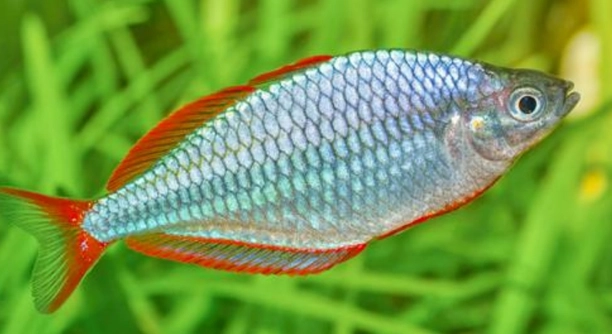
Rainbow fish are known for their colorful appearance and lively nature, but have you ever wondered if they notice their own reflection? Understanding their behavior and how they interact with mirrors is an intriguing subject for animal behavior enthusiasts.
Studies suggest that rainbow fish do not recognize their reflection as themselves. Like many animals, they may respond to the image as though it is another fish, rather than recognizing it as a reflection.
Exploring how these fish interact with mirrors can shed light on their behavior and help us better understand their instincts in different environments.
How Do Rainbow Fish See Their Reflection?
Rainbow fish are visually oriented animals that are drawn to bright colors and moving objects. However, when they encounter a mirror or any reflective surface, their reaction is quite different from what you might expect. These fish might swim toward the mirror, but they don’t seem to understand that the image they see is themselves. Instead, they may act as though they are confronting another fish. This behavior is common in many species of fish, and it suggests that they lack the self-awareness needed to recognize reflections. In the wild, rainbow fish don’t encounter mirrors, so it’s unlikely they have evolved the ability to interpret reflections in a meaningful way.
In the wild, fish like rainbow fish use their vision primarily to locate food, avoid predators, and navigate their environment. Their eyes are adapted to detect movement and color, which is vital for survival. This means that even though they can clearly see the reflection in front of them, they likely don’t process it the same way humans do.
Some animals, such as certain primates and dolphins, have shown the ability to recognize themselves in a mirror. This trait, known as mirror self-recognition, is a sign of higher cognitive ability. Rainbow fish, however, do not possess this level of self-awareness. Their lack of recognition is simply because they have not developed the necessary brain functions to understand what they are seeing. Their behavior towards reflections, like chasing or circling them, is similar to what you might observe in many other fish species when exposed to a reflective surface.
Why Do They React to Their Reflection?
Despite not recognizing themselves, rainbow fish still react to the image in front of them. This could be due to their natural instinct to protect territory or compete with other fish. Fish, including rainbow fish, are often territorial, and seeing another fish in their space might trigger defensive behaviors. When they encounter a reflection, they may interpret it as an intruder, leading them to behave more aggressively or nervously.
These types of reactions make sense when you consider how rainbow fish live in the wild. They often face competition for resources, such as food or space. Their instinct to protect their territory is vital for survival, and a mirrored reflection could trigger this protective response. The same response happens when they encounter another fish in their natural habitat. Although it’s just a reflection, the rainbow fish’s instinctual behaviors take over.
By observing how these fish interact with mirrors, we can gain insight into their natural instincts. Though they don’t have self-awareness, rainbow fish do understand the importance of maintaining their space and protecting their resources. Their actions highlight the powerful influence of instinct in animal behavior.
Self-Recognition in Fish
Rainbow fish do not show signs of self-recognition in a mirror. While some animals, like dolphins and certain primates, can recognize their own reflection, rainbow fish do not have this cognitive ability. This inability is common among many species of fish and is due to the simplicity of their brain functions.
Fish, including rainbow fish, have limited cognitive functions focused mostly on survival instincts like finding food, avoiding predators, and reproducing. Their interactions with mirrors are driven by instinct rather than self-awareness. Without the ability to process the reflection as their own image, they react as if another fish is present. This reaction is not unique to rainbow fish, as many other species exhibit similar behavior when they encounter reflective surfaces.
Rainbow fish’s lack of self-recognition is linked to the way their brains are structured. They have evolved to respond to stimuli that help them survive, but not to recognize themselves in a mirror. In the animal kingdom, the ability to recognize one’s reflection is rare and typically associated with more complex species. Rainbow fish simply don’t possess this advanced cognitive trait.
The Role of Mirrors in Fish Behavior
Mirrors are often used to study animal behavior, but they can also cause confusion. In the case of rainbow fish, a mirror might seem like an intruder or a rival. When a rainbow fish sees its reflection, it doesn’t know it’s looking at itself. Instead, it perceives another fish in its territory.
Fish are territorial by nature, and this behavior is an instinctual part of their survival strategy. In the wild, they would protect their space from any potential threats or competitors. So, when a mirror is introduced into their environment, the fish may become agitated or attempt to chase the reflection away. This instinct to protect their space is strong, even if the “intruder” is just their own image.
This reaction could serve as a form of defense or dominance display, even if there’s no real threat. While it may seem odd to humans, it’s part of the natural behavior of many fish species. These territorial instincts ensure that rainbow fish can maintain control over their environment, which helps them thrive.
Fish with Higher Cognitive Abilities
Some fish species do have a higher level of cognitive ability, allowing them to respond to their reflections in different ways. While rainbow fish do not recognize themselves, other species like cleaner fish and some cichlids have shown signs of self-awareness.
These fish can use mirrors to check their bodies for parasites or wounds, a behavior that indicates self-recognition. These fish possess more complex brain structures that enable them to understand the concept of their reflection. Rainbow fish, however, do not exhibit this level of self-awareness.
Understanding the cognitive abilities of different fish species helps explain the varying reactions to mirrors. While rainbow fish focus on instinctual behaviors, other species are capable of understanding their image and using it for practical purposes, like self-grooming.
The Importance of Territory
Territory plays a significant role in the behavior of rainbow fish. They are naturally inclined to defend their space, which is why they may react aggressively to their own reflection. This instinct helps them maintain access to resources like food and shelter.
By maintaining control over their space, rainbow fish can ensure they have access to everything they need to survive. This territorial nature is vital to their success in the wild. Their behavior toward reflections is an extension of this instinct to secure resources.
The Mirror Test and Fish
The mirror test is often used to assess self-recognition in animals, but its results are mixed for fish. While rainbow fish fail to recognize themselves, other fish species, such as cleaner wrasses, pass the test. This shows that the ability to recognize oneself varies across different species.
FAQ
Do rainbow fish recognize their reflection?
No, rainbow fish do not recognize their reflection. When exposed to a mirror, they typically treat the image as if it were another fish. They don’t have the cognitive ability to understand that the reflection is themselves, as seen in more complex animals like dolphins or primates.
Why do rainbow fish act aggressively toward their reflection?
Rainbow fish often react aggressively to their reflection due to their territorial instincts. In the wild, they defend their space from other fish to protect food and shelter. When they see their reflection, they might interpret it as an intruder, triggering a defensive response.
What is the mirror test?
The mirror test is a behavioral experiment used to assess self-recognition in animals. The test involves placing an animal in front of a mirror and observing how it reacts to a mark placed on its body that it cannot see without the mirror. Animals that recognize themselves will attempt to remove or touch the mark, indicating self-awareness.
Which fish pass the mirror test?
Certain fish species, like cleaner wrasses, have shown the ability to recognize themselves in mirrors. These fish use the reflection to check for parasites or injuries, which suggests that they have higher cognitive abilities than species like rainbow fish, who fail to recognize their reflection.
Do rainbow fish show any self-awareness?
Rainbow fish do not show signs of self-awareness like some other species. While they are aware of their surroundings and interact with other fish, their behavior toward a reflection is purely instinctual. They are more focused on survival instincts, such as defending their territory, than recognizing themselves.
Can fish develop self-awareness with exposure to mirrors?
It’s unlikely that rainbow fish would develop self-awareness with exposure to mirrors. Self-recognition is a complex cognitive skill that requires a specific level of brain development. Even with repeated exposure to mirrors, rainbow fish are unlikely to understand that the reflection is themselves, as they lack the neural capacity for self-awareness.
Are there other animals that don’t recognize their reflection?
Yes, many animals do not recognize themselves in mirrors. While some species, such as elephants and great apes, can pass the mirror test, other animals, including most fish, dogs, and cats, fail to recognize their reflections. Self-awareness is a trait that is not common across all animal species.
How do rainbow fish perceive their environment?
Rainbow fish primarily use their vision to detect movement and color. Their eyesight is adapted for spotting potential threats, finding food, and navigating their surroundings. Unlike humans, rainbow fish are not concerned with recognizing their reflection, as their brains are not designed for this kind of processing.
Do rainbow fish care about their reflection when not interacting with it?
Rainbow fish are unlikely to care about their reflection when they are not actively interacting with it. Their focus is usually on food, territory, and avoiding predators. If the reflection doesn’t present any immediate threat, they will likely ignore it once the initial curiosity passes.
Can rainbow fish get stressed from seeing their reflection?
It’s possible for rainbow fish to experience stress from prolonged exposure to their reflection, especially if they feel threatened. Their territorial instincts may lead them to behave aggressively, which could cause anxiety or confusion. In some cases, a mirror placed in their environment for too long could lead to a decline in their well-being.
What happens if you remove the mirror from a tank?
If you remove the mirror, the rainbow fish will stop reacting to the reflection. Once the stimulus is gone, they will return to their normal behavior. Without the reflection to trigger territorial instincts, the fish will likely focus on other aspects of their environment, such as food or social interactions.
Can rainbow fish recognize other fish?
Rainbow fish can recognize other fish within their environment, especially those they interact with regularly. They use visual cues, like color patterns, to identify other fish. This ability helps them navigate social structures within their groups and establish dominance hierarchies, which are important for survival.
Do rainbow fish interact with their reflection if it’s in a different position?
Yes, rainbow fish may continue to interact with their reflection if it is in a different position. They don’t recognize that it’s the same image each time, so they might approach the mirror from various angles. Their behavior is influenced by the perceived presence of another fish, which they treat as a competitor or threat.
How does a fish’s brain process reflections?
A fish’s brain processes reflections as a potential social interaction rather than an image of itself. Their brain is wired to react to the sight of other fish, especially when they are in close proximity. The reflection is processed similarly to how they would perceive another fish, leading to territorial or competitive behavior.
Are there any benefits to exposing rainbow fish to mirrors?
Exposing rainbow fish to mirrors can provide some insights into their behavior, especially regarding territorial instincts. However, constant exposure may cause stress or confusion. It’s best to limit mirror use to brief periods to avoid overstimulating the fish. Mirror tests are more useful for studying fish behavior than for enhancing their environment.
What do rainbow fish do when they see another fish?
When rainbow fish see another fish, they often engage in territorial displays, such as swimming aggressively or chasing the intruder away. This behavior is an instinctive response to protect their space and resources. If the other fish is a threat or competitor, they will act more aggressively.
Can mirrors affect the health of rainbow fish?
Mirrors can affect the health of rainbow fish if they are exposed to them too often. Constant territorial behavior triggered by a reflection can lead to stress, which may affect the fish’s immune system and overall health. It’s important to provide a calm and stable environment for fish to thrive.
Final Thoughts
Rainbow fish are fascinating creatures, especially with their vibrant colors and active behavior. However, when it comes to recognizing their reflection, they show limited self-awareness. Unlike some animals that can identify themselves in a mirror, rainbow fish treat their reflection as if it were another fish. This means they don’t have the cognitive ability for self-recognition, which is more common in species with more complex brains. Understanding this behavior highlights the differences in how animals perceive their surroundings and interact with their environment. Rainbow fish rely on instinct and survival tactics rather than the ability to recognize themselves.
The way rainbow fish react to their reflection, often aggressively, is driven by territorial instincts. In the wild, these fish would naturally defend their space from other competitors. So, when they see their reflection, they likely perceive it as an intruder. This reaction is not unique to rainbow fish but is common among many species of fish. This territorial behavior is important for ensuring they have access to food and shelter. It helps explain why the fish might act as if they are protecting something when they are simply seeing a reflection.
While rainbow fish may not have the ability to recognize their reflection, it does not diminish their importance or their unique qualities. Their instinctual behaviors, such as defending their territory, are vital to their survival in the wild. Understanding how these fish interact with mirrors helps us learn more about their natural instincts. It also shows how fish respond to stimuli, even if they don’t have the cognitive capacity for self-recognition. In the end, these behaviors reflect their evolutionary focus on survival rather than complex self-awareness.

Hello,
If you enjoy the content that we create, please consider saying a "Thank You!" by leaving a tip.
Every little bit helps us continue crafting quality advice that supports the health, happiness, and well-being of pets around the world, for pets of all shapes, sizes, and species.
We really appreciate the kindness and support that you show us!