
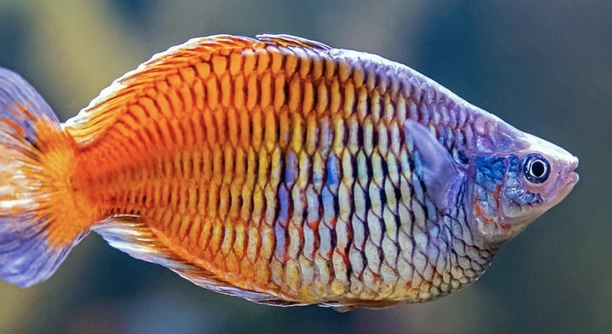
Rainbow fish are a popular choice for aquarium enthusiasts due to their vibrant colors and active nature. When it comes to keeping them healthy, understanding their space needs is essential for their well-being.
Rainbow fish thrive in spacious environments where they can swim freely. Limited space can lead to stress and hinder their natural behavior, which may impact their overall health. Ensuring proper tank size is crucial for their comfort.
Providing the right space is important for their growth and happiness. In the following sections, we’ll discuss how to create the best swimming environment for your rainbow fish.
Why Space Matters for Rainbow Fish
Rainbow fish are naturally active and need enough room to swim freely. In their native habitats, they often swim in large schools across wide areas, so providing a spacious tank replicates their environment. Keeping them in a cramped space can lead to stress, making them more prone to illness. When they have enough room, rainbow fish are more likely to exhibit healthy behavior, such as socializing and exploring their surroundings.
A small tank can cause aggression, as they might feel the need to defend their territory. When rainbow fish are stressed, their immune systems weaken, leading to potential health issues. Providing ample swimming space helps avoid these negative outcomes and supports their well-being.
Creating a healthy environment for rainbow fish goes beyond just tank size. Consider adding hiding spots, plants, and swimming areas that cater to their natural instincts. This way, they can enjoy their space and stay active, improving their quality of life.
How to Choose the Right Tank Size
When selecting a tank for rainbow fish, it’s important to go beyond the minimum size recommendations.
Rainbow fish need space not just for swimming but also to avoid territorial conflicts with other fish. A tank size of at least 30 gallons is generally recommended for a small group of rainbow fish. If you plan to keep more than a few, aim for larger tanks.
A spacious tank not only benefits the fish but also helps maintain water quality. Larger tanks are easier to manage because they allow for better filtration and more stable conditions. This minimizes the risk of harmful fluctuations in temperature and water chemistry, which can stress the fish and lead to health problems. Moreover, a bigger tank allows you to add live plants, rocks, and other decorations that help create a more natural environment for the fish.
Providing enough space is key to maintaining a healthy tank. This ensures your rainbow fish stay active, social, and happy in their new home.
How Many Rainbow Fish Should You Keep?
For a healthy group, it’s best to keep at least 4 to 6 rainbow fish. This ensures that they feel secure in their social structure and reduces stress. A small group helps mimic their natural school behavior. Keeping fewer than that can lead to loneliness and anxiety, which affects their health.
Rainbow fish are social creatures and thrive in groups. They interact with each other, displaying fascinating swimming patterns and behaviors. A larger school helps distribute any aggression that may occur, as there are more fish to spread out the energy. Additionally, a small group may not be able to establish a clear social hierarchy, leading to more frequent conflicts.
If you’re new to keeping rainbow fish, start with a small group and observe how they interact. Ensure you have enough space in your tank to support their social dynamics. Watching your fish grow and interact in a healthy school is incredibly rewarding.
The Importance of Tank Decorations
Tank decorations are not just for aesthetics. They serve to create hiding spots, which reduce stress and help rainbow fish feel more secure. When choosing decorations, avoid sharp objects that could harm your fish. Opt for smooth rocks, plants, or driftwood that offer shelter without being a hazard.
Rainbow fish like to explore their environment, and adding plants or decorations provides them with a more stimulating space. The right setup helps them feel comfortable and encourages their natural behaviors. Live plants are especially beneficial, as they help with water quality by absorbing excess nutrients. Additionally, they offer hiding spots for fish that may need a break from the group.
Adding decorations also improves the look of your tank. A well-decorated aquarium is not only a more enjoyable habitat for your fish but also a beautiful display in your home. Just remember to ensure there’s still plenty of room for swimming.
Swimming Space and Water Quality
Having enough swimming space is crucial, but water quality plays an equally important role. Clean water supports a healthy environment for rainbow fish to thrive. Regular water changes and filtration help maintain stable water conditions. Make sure to check water parameters regularly to ensure they are within the ideal range.
When space is limited, waste and toxins can build up quickly, which stresses fish and lowers water quality. Proper filtration helps to remove these toxins, but the tank’s size and stocking levels also influence how much maintenance is needed. Regular water testing is key to keeping the environment balanced.
The Role of Tankmates
Rainbow fish can coexist well with other peaceful species. It’s important to choose compatible tankmates that won’t crowd their space. Avoid overly aggressive fish, as they can stress rainbow fish and disrupt their social behavior. Peaceful community fish work best for a healthy tank environment.
Keeping a variety of species together is a great way to enhance the tank’s dynamics. Choose fish that occupy different levels of the tank and avoid competition for the same space. For example, smaller bottom dwellers or fish that swim at different heights will allow rainbow fish to swim freely without feeling crowded.
Temperature and Lighting Needs
Rainbow fish prefer a consistent temperature, typically between 72°F and 78°F. Fluctuating temperatures can lead to stress and weaken their immune systems. A reliable heater is necessary to maintain stability. Additionally, lighting should mimic a natural day-night cycle, encouraging healthy activity.
A stable environment is vital for rainbow fish, and proper lighting helps regulate their biological clock. Providing a light cycle of 10 to 12 hours per day, with a gradual transition to simulate day and night, helps maintain their natural rhythms. This also reduces stress, contributing to overall health.
FAQ
Do rainbow fish need a lot of swimming space?
Yes, rainbow fish require a decent amount of swimming space to stay healthy. A cramped tank can lead to stress and aggressive behavior. For a small group of rainbow fish, a tank size of at least 30 gallons is recommended. The more space you provide, the healthier and more active they will be. Make sure the tank is large enough to allow them to move freely, avoiding overcrowding, which can lead to poor water quality and stressed fish.
What is the minimum tank size for rainbow fish?
The minimum recommended tank size for rainbow fish is 30 gallons. This gives them enough space to swim and interact with each other comfortably. For larger groups or mixed-species setups, you may need a tank size of 50 gallons or more to ensure they have sufficient room. A smaller tank limits their ability to display natural behaviors, affecting their overall health.
Can rainbow fish live with other fish?
Rainbow fish are generally peaceful and can coexist with other non-aggressive species. They are a great addition to community tanks. However, it’s important to avoid overly territorial or aggressive fish, as they can stress rainbow fish. Suitable tankmates include other peaceful fish, like tetras, corydoras, or peaceful barbs. Just ensure there’s enough space for everyone to swim without feeling crowded.
How many rainbow fish should be kept together?
Rainbow fish should be kept in small groups of at least 4 to 6. Keeping them in groups helps reduce stress and promotes natural social behavior. A school of fish allows them to interact, and it also helps them feel secure in their environment. A larger group is even better for ensuring harmony, as the fish are less likely to compete for space or resources.
Do rainbow fish prefer planted tanks?
Yes, rainbow fish enjoy planted tanks as they provide hiding spots and add to the natural environment. Live plants help improve water quality by absorbing excess nutrients, which benefits the overall health of the tank. Plants also give rainbow fish places to explore and offer security, reducing stress. A well-planted tank with open swimming areas can provide the perfect balance.
How often should I clean the tank for rainbow fish?
Regular tank maintenance is important to keep the water clean and the fish healthy. Perform a 25% water change every 1 to 2 weeks to maintain water quality. You should also clean the substrate and check the filter regularly to remove debris. A well-maintained tank ensures that rainbow fish live in a stable environment, which is essential for their well-being.
What should I feed my rainbow fish?
Rainbow fish are omnivores, so their diet should include a variety of foods. You can feed them high-quality flake food, pellets, frozen or live foods, such as brine shrimp, daphnia, and bloodworms. Offering a balanced diet with plant matter and protein will help them stay healthy and vibrant. Be sure to provide small amounts of food that they can consume quickly, as leftover food can affect water quality.
Can rainbow fish live in cold water?
Rainbow fish are tropical fish, and they require a stable, warm environment. The ideal temperature for rainbow fish is between 72°F and 78°F. Keeping them in colder water can lead to stress, weakened immune systems, and a shorter lifespan. Using a reliable heater to maintain a consistent temperature is crucial for their health.
Are rainbow fish easy to care for?
Rainbow fish are relatively easy to care for, making them a great choice for beginner fishkeepers. They are hardy and adapt well to different water conditions, as long as their basic needs are met. They do, however, require a sufficiently large tank, regular water changes, and a balanced diet. Keeping an eye on water parameters and providing a peaceful tank environment will help ensure their long-term health.
How long do rainbow fish live?
Rainbow fish can live for about 5 to 8 years when cared for properly. Their lifespan depends on factors like water quality, tank size, diet, and the overall stability of their environment. Providing optimal conditions will help them live a long and healthy life. Regular monitoring of water quality and ensuring proper tank maintenance are key to promoting their longevity.
Do rainbow fish require special lighting?
Rainbow fish don’t require special lighting, but they do benefit from a consistent day-night cycle. A 10 to 12-hour light period each day mimics their natural environment. Avoid too much direct light, as it can cause algae problems in the tank. LED lights or aquarium lighting with a gentle glow works well for rainbow fish, as it creates a natural setting without stressing them out.
How do I know if my rainbow fish are stressed?
Signs of stress in rainbow fish include faded colors, erratic swimming, lack of appetite, and hiding. They may also display unusual behavior, such as staying near the surface or near the filter. If you notice these signs, check the water parameters to ensure they’re within the ideal range. Stress can also result from poor tankmates, overcrowding, or water quality issues. Addressing the underlying cause of stress is important for the health of your fish.
Can rainbow fish live with shrimp or snails?
Rainbow fish can live peacefully with shrimp and snails, provided the shrimp are not too small. Larger shrimp species, like Amano or cherry shrimp, are generally safe with rainbow fish, as they will avoid each other. Snails can also coexist with rainbow fish, helping keep the tank clean without posing a threat to the fish. Just make sure to avoid any tankmates that may harm or outcompete the shrimp for food.
Are rainbow fish active at night?
Rainbow fish are diurnal, meaning they are most active during the day. They are more likely to swim, feed, and interact with each other in the daytime. At night, they tend to rest. Having a consistent light cycle will help regulate their natural patterns. Ensure your tank has a proper light-dark cycle to support their sleep-wake rhythms.
Do rainbow fish need a filter?
Yes, rainbow fish need a filter to maintain good water quality. A filter helps remove waste, excess food, and toxins from the water, which is crucial for the health of your fish. Make sure the filter is suitable for your tank size and does not create strong currents, as rainbow fish prefer calm waters. Regular cleaning of the filter is also essential to ensure it functions properly.
Can I breed rainbow fish in my tank?
Breeding rainbow fish in a home aquarium is possible, but it requires specific conditions. You’ll need to provide a separate breeding tank with plants or fine mesh to protect the eggs. Rainbow fish breed in groups, and the males will chase the females to encourage spawning. After the eggs are laid, remove the adults, as they may eat the eggs. The eggs typically hatch in a few days, and the fry can be fed infusoria or specialized fish food.
Final Thoughts
Rainbow fish are an attractive and active addition to many aquariums, and they thrive when provided with the right conditions. Ensuring they have enough space to swim is crucial to their health and well-being. A tank that is too small can lead to stress, which may cause behavioral problems and impact their overall quality of life. Offering them a spacious environment not only helps them feel secure but also allows them to display their natural behaviors, such as swimming in groups and exploring their surroundings. A tank size of at least 30 gallons is ideal for a small group of rainbow fish, but larger tanks are even better for ensuring they have enough space to thrive.
In addition to space, water quality plays a major role in maintaining the health of rainbow fish. Regular water changes and filtration are essential to keep the water clean and stable. Consistent temperature control is also important, as rainbow fish are tropical and prefer warm water, usually between 72°F and 78°F. Monitoring water parameters regularly, such as pH, ammonia, and nitrate levels, ensures that the environment stays within the ideal range. With good water conditions, rainbow fish will live a longer, healthier life, exhibiting vibrant colors and lively behavior.
Overall, rainbow fish are relatively easy to care for, making them a great choice for both beginner and experienced aquarium keepers. They adapt well to a variety of conditions, as long as their basic needs are met. Providing enough space, maintaining clean water, and choosing compatible tankmates are key factors in their care. By offering these essentials, you can enjoy watching your rainbow fish grow and thrive in a happy, healthy aquarium.

Hello,
If you enjoy the content that we create, please consider saying a "Thank You!" by leaving a tip.
Every little bit helps us continue crafting quality advice that supports the health, happiness, and well-being of pets around the world, for pets of all shapes, sizes, and species.
We really appreciate the kindness and support that you show us!