
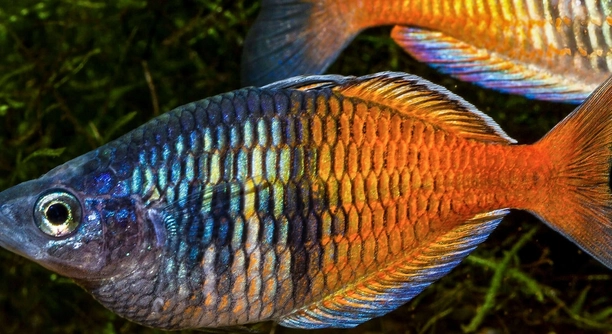
Rainbow fish are colorful, lively creatures often admired for their vibrant hues. If you’re thinking about adding one to your aquarium, you might be wondering how they prefer to live and whether they enjoy the company of others.
Rainbow fish typically do well in groups, as they are social animals that thrive in schools. A lack of companionship can lead to stress and less vibrant coloration. Providing them with similar tank mates is recommended for their well-being.
Understanding how rainbow fish interact with each other can help you create the ideal environment. A well-balanced tank setup ensures your fish are happy and healthy.
Why Rainbow Fish Thrive in Groups
Rainbow fish are naturally social creatures. In the wild, they are often found swimming in groups, which provides them with both protection and social interaction. This instinctive need for companionship makes them more comfortable and secure when housed with other rainbow fish in an aquarium. Having multiple rainbow fish allows them to establish a hierarchy and interact with one another, which can help reduce stress and make them feel more at home.
Without companions, rainbow fish can become shy, lose their vibrant colors, and display signs of stress. It’s not just about having another fish nearby; the specific number of fish in a school plays a key role in their happiness. A small group is often sufficient, but larger schools generally lead to a more natural and thriving environment.
When creating a suitable environment, consider the number of rainbow fish to introduce. Too few can cause stress, but a well-sized group fosters social interactions. Ideally, try to keep at least five or six fish together to see the best results. The more, the merrier, in this case, is quite true.
Tank Setup for Rainbow Fish Companionship
Companionship is important, but it’s not the only factor to consider. Rainbow fish need the right environment to flourish.
The ideal tank setup includes a well-maintained water system with plenty of swimming space. A balanced filtration system is crucial to keep the water clean, as these fish prefer stable conditions. A soft, well-planted substrate can encourage natural behaviors, while water temperature and pH should be carefully monitored. Keeping the environment clean and stable will support their health.
The Importance of Tank Mates for Rainbow Fish
Rainbow fish are peaceful and get along well with other species, as long as they share similar water requirements. Adding other peaceful fish like tetras or guppies can create a harmonious environment. Avoid aggressive fish, which can stress out your rainbow fish and affect their health.
In a mixed-species tank, keeping the water conditions stable is essential for all the inhabitants. Be mindful of the tank’s space and ensure that each species has enough room to swim freely. Overcrowding can lead to stress, making the fish more susceptible to diseases. It’s always good practice to research the behavior of tank mates before introducing them.
Choosing compatible tank mates will create a balanced community that thrives together. It will also help prevent any territorial issues, as some fish may not appreciate their space being invaded. A peaceful environment where all species can coexist will promote overall well-being.
Social Behavior in Rainbow Fish
Rainbow fish often display schooling behavior, which is a sign of their need for companionship. Observing them in groups, you’ll see how they interact with one another. The constant movement and coordination make for a lively and attractive aquarium.
Even in a large tank, rainbow fish will form tight-knit schools, especially during feeding time. Their group interactions are essential to their mental and physical health. Without this social behavior, they might become reclusive, impacting their health. It’s crucial to ensure that your rainbow fish have the chance to socialize and thrive. Keeping them in a group encourages natural behaviors and keeps their stress levels in check.
Keeping a balance in the tank is key. When fish are allowed to act in ways that mimic their natural instincts, they tend to live longer and healthier lives. By fostering a social environment for them, you contribute to their happiness and overall vitality.
How Many Rainbow Fish Should You Keep Together?
Rainbow fish feel most comfortable in schools of at least five or six. Keeping them in a group helps maintain their natural behavior, promotes social interactions, and reduces stress. A school size of ten or more can provide even better results.
Having more fish in the group allows for a dynamic social structure. It encourages them to display vibrant colors and engage in playful interactions. A larger school mimics their natural environment, where they would typically swim in larger groups for safety. Providing this setup benefits both their physical and mental well-being.
Maintaining Peaceful Tank Dynamics
Creating a peaceful atmosphere in the tank can be challenging with multiple species, but it’s possible with the right planning. Choose species that are calm and have similar care needs. It’s also helpful to add hiding spots for fish to retreat when they need a break.
Proper water parameters are essential in a mixed-species tank. A peaceful environment can be maintained by keeping the water clean and stable. Pay close attention to the fish’s behavior. If they are stressed, make adjustments to prevent aggression and maintain a peaceful balance.
Feeding Rainbow Fish
Feeding rainbow fish properly is essential for their health and happiness. They are omnivores and will eat a variety of foods, including flakes, pellets, and live or frozen options. Offering them a balanced diet supports their vibrant color and energy.
FAQ
Do rainbow fish need companions to be happy?
Yes, rainbow fish are social creatures and thrive in schools. They feel more secure and comfortable when they are with other rainbow fish. Having companions helps reduce stress, encourages natural behavior, and promotes overall health. Without companionship, they may become shy and lose their vibrant colors. A small group of five or more is ideal, but a larger school is even better.
Can rainbow fish live with other species?
Rainbow fish generally get along well with other peaceful species. It’s important to choose tank mates that have similar water requirements and a calm temperament. Fish like tetras, guppies, or peaceful barbs can be good companions. Aggressive species should be avoided, as they can stress out your rainbow fish and lead to aggression.
How big should a tank be for rainbow fish?
Rainbow fish need ample swimming space. A minimum of a 30-gallon tank is recommended for a small group of rainbow fish. Larger tanks are even better, especially if you plan to keep multiple species together. This gives the fish enough room to swim freely and helps keep water quality stable.
What are the best water conditions for rainbow fish?
Rainbow fish prefer slightly acidic to neutral water with a pH between 6.5 and 7.5. The temperature should be kept between 74°F and 78°F (23°C to 26°C). Ensure the water is well-filtered, as they need clean, oxygen-rich water to thrive. Regular water changes are essential to maintain a healthy environment.
Do rainbow fish need a lot of plants in their tank?
Rainbow fish appreciate having plants in their tank, as they offer hiding spots and help create a more natural environment. While they don’t require an abundance of plants, providing some live plants gives them areas to explore and helps reduce stress. Plants also help maintain water quality by absorbing excess nutrients.
Can rainbow fish be kept with shrimp?
Rainbow fish can live with shrimp, but it depends on the species. Smaller shrimp like ghost shrimp may be at risk of being eaten, especially if the rainbow fish are larger. However, many aquarists report success with species like Amano shrimp or cherry shrimp, as long as there are plenty of hiding places for the shrimp to retreat to.
How often should I feed my rainbow fish?
Rainbow fish should be fed once or twice a day. Offer small amounts of food that they can consume within a few minutes to avoid overfeeding. A varied diet that includes flakes, pellets, and occasional live or frozen foods is ideal. This helps keep them healthy and vibrant.
What should I do if my rainbow fish seem stressed?
If your rainbow fish are showing signs of stress, like hiding or faded colors, check the water parameters first. Stress can be caused by poor water quality, incompatible tank mates, or a lack of social companions. Ensure the tank is properly filtered, the water is clean, and the temperature is stable. If the issue persists, consider adjusting the tank environment or the number of fish.
Can rainbow fish jump out of the tank?
Yes, rainbow fish are known to jump. It’s a good idea to have a secure lid on your aquarium to prevent them from leaping out. A well-fitting lid or cover will also help maintain stable water conditions by reducing evaporation and keeping the temperature consistent.
How long do rainbow fish live?
Rainbow fish have a lifespan of around 5 to 8 years, depending on their care. A well-maintained tank with stable water conditions and proper feeding will help them live a long, healthy life. Regular maintenance and monitoring their behavior will ensure that they stay healthy throughout their lifespan.
Final Thoughts
Rainbow fish are peaceful and active creatures that thrive when kept in groups. They naturally form schools in the wild, which helps reduce stress and encourages their vibrant colors to shine. By keeping them with other rainbow fish, you provide them with the social environment they need to feel secure and happy. While rainbow fish are compatible with many peaceful species, it’s important to choose tank mates that share similar water requirements and don’t exhibit aggressive behaviors.
A proper tank setup is crucial for their well-being. Rainbow fish prefer slightly acidic to neutral water and a consistent temperature between 74°F and 78°F. They also appreciate having plants in the tank to mimic their natural environment. While they don’t need a heavily planted tank, adding some live plants can create a more comfortable and stress-free space for them. It’s also important to keep the water clean and well-filtered, as rainbow fish are sensitive to poor water quality. Regular water changes will help maintain the right environment and prevent issues that can arise from dirty water.
Overall, rainbow fish are a great choice for aquariums, especially if you want to add a peaceful, colorful touch to your tank. By providing them with the proper care, a social environment, and the right tank mates, they can live happy and healthy lives. Whether you keep a school of rainbow fish on their own or with other compatible species, they will bring life and color to your aquarium. Keep in mind that their happiness and health depend on the conditions of their environment, so always pay attention to their behavior and make adjustments as needed.

Hello,
If you enjoy the content that we create, please consider saying a "Thank You!" by leaving a tip.
Every little bit helps us continue crafting quality advice that supports the health, happiness, and well-being of pets around the world, for pets of all shapes, sizes, and species.
We really appreciate the kindness and support that you show us!