
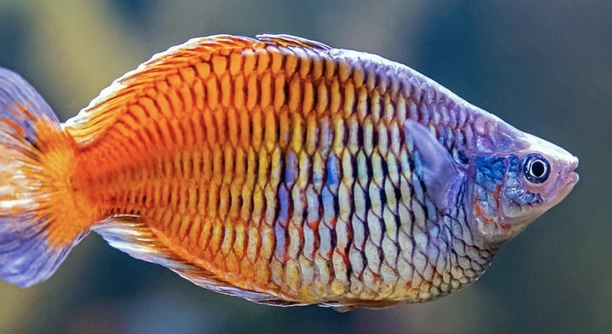
Rainbow fish are a popular choice for aquarium enthusiasts due to their vibrant colors and active nature. Keeping them healthy involves providing the right environment and diet. A varied diet may play an essential role in their well-being.
A varied diet is important for rainbow fish to ensure they receive all the necessary nutrients. Offering a mix of high-quality flakes, frozen foods, and occasional live treats can promote their overall health, enhance colors, and support long-term vitality.
A balanced and nutritious diet can make a significant difference in your fish’s overall health. Understanding how to meet their dietary needs will improve their lifespan and happiness in your aquarium.
Why a Varied Diet Is Essential for Rainbow Fish
Rainbow fish thrive in an environment that closely mirrors their natural habitat. Their diet plays a significant role in keeping them healthy, vibrant, and active. In the wild, they consume a wide range of foods, from small invertebrates to algae. Recreating this variety in your aquarium is crucial for their overall health. When you offer them a variety of foods, you’re helping them get the essential nutrients they need to grow and maintain their colors.
While flakes and pellets are a common go-to, adding live or frozen foods like brine shrimp or bloodworms can give your rainbow fish more nutritional value. A balanced diet helps support their immune system, enhances their coloration, and even improves their breeding behavior. Furthermore, introducing different types of food can prevent them from getting bored, which may lead to a decrease in activity levels or poor health.
Ultimately, the more variety you offer, the healthier and more vibrant your fish will be. If you’re unsure where to start, consult with your local pet store for recommendations on the best food options for rainbow fish.
How Often Should You Feed Them?
Overfeeding can be as harmful as underfeeding. Feed your rainbow fish once or twice a day, but only as much as they can consume in a few minutes.
Feeding them too much can lead to uneaten food sinking to the bottom, which can pollute the water and affect the health of your fish. On the other hand, underfeeding can cause them to become malnourished and lose their vibrancy. It’s all about finding a balance that suits your fish’s needs. Make sure to monitor their appetite and adjust their feeding schedule as necessary. When you establish a regular feeding routine, your rainbow fish will benefit from it long-term.
The Best Foods for Rainbow Fish
Rainbow fish benefit from a diverse diet that includes both commercial and natural options. High-quality flakes should be a staple in their meals, while live and frozen foods add variety. These foods help support their health and coloring.
Frozen foods like brine shrimp, daphnia, and bloodworms are excellent choices. They offer valuable protein and nutrients that flakes alone can’t provide. You can feed these once or twice a week to keep things interesting for your fish and ensure they receive a complete range of nutrients. Avoid overfeeding them with frozen foods, as they are more nutrient-dense and can lead to excess waste if given too frequently.
Commercial foods should also be chosen carefully. Look for options designed specifically for rainbow fish or those with high-quality ingredients like spirulina and fishmeal. These options often provide the necessary vitamins and minerals to keep your fish healthy and vibrant, especially when combined with live or frozen foods.
How to Adjust Diet for Different Life Stages
As your rainbow fish grow, their dietary needs will change. Juvenile rainbow fish require more protein to support their rapid growth, while adult fish need a balanced mix of protein, fats, and fiber.
For juvenile fish, provide more live or frozen foods that are high in protein. Offer small portions to avoid overfeeding, but ensure that the food is high-quality and appropriate for their size. As your fish reach adulthood, switch to a more varied diet, including vegetables like spinach or peas, to provide essential fiber. This helps prevent digestive problems and keeps your fish in good condition. Keep a close eye on your fish’s growth and adjust their diet accordingly to ensure they receive the right nutrients at every stage.
Supplementing with Vegetables
Incorporating vegetables into your rainbow fish’s diet is a great way to provide extra nutrients. Offer blanched spinach, zucchini, or peas to supplement their meals. These vegetables are rich in fiber and help with digestion.
To prepare the vegetables, blanch them in hot water for a few seconds, then cut them into small, manageable pieces. You can attach them to a clip in the tank to allow your fish to nibble at their own pace. This method helps maintain water quality, as leftover food won’t sink to the bottom.
The Role of Algae
Algae plays a significant role in the natural diet of rainbow fish, especially for those kept in planted tanks. Algae wafers can serve as a great supplement to their meals.
Rainbow fish will naturally graze on algae, which provides essential trace minerals and promotes their overall health. If you have a planted tank, allowing algae to grow naturally can help mimic their natural environment. Just be sure to monitor their intake and avoid overfeeding algae wafers, as this could impact the water quality.
Managing Water Quality
Proper water quality is essential when feeding rainbow fish a varied diet. Uneaten food can quickly pollute the tank, leading to health problems.
To keep the water clean, remove any leftover food after a few minutes of feeding. Regular water changes and the use of a good filtration system will also help maintain a healthy environment for your fish. Keep an eye on ammonia and nitrate levels to prevent any harmful buildup that could affect your fish’s well-being.
FAQ
How often should I feed my rainbow fish?
Feed rainbow fish once or twice a day. Offer only as much food as they can consume in a few minutes. Overfeeding can lead to excess waste and poor water quality, which could harm the fish. You can adjust the amount based on their activity levels and age.
Can I feed rainbow fish only flakes?
While flakes are a convenient option, feeding rainbow fish only flakes isn’t ideal. A varied diet is crucial for their health. Incorporate live, frozen, or vegetable-based foods into their meals to ensure they receive all the essential nutrients for long-term health.
Are rainbow fish picky eaters?
Rainbow fish are generally not picky eaters. They will usually accept a wide range of foods, including flakes, pellets, and live or frozen foods. However, they might show a preference for certain types of food, especially if they’re introduced gradually. It’s good to offer variety.
Do rainbow fish eat plants?
Rainbow fish are not typically plant eaters, but they may nibble on soft, leafy plants, especially when they’re hungry or lacking in other food sources. To protect your plants, ensure your fish have plenty of food options like live or frozen foods and algae wafers.
Can rainbow fish eat live food?
Yes, rainbow fish can eat live food such as brine shrimp, daphnia, or worms. Live food can help improve their color and overall health, providing them with protein and other nutrients. Make sure the live food is appropriately sized for the fish.
Can I feed my rainbow fish frozen food?
Frozen food is an excellent addition to a rainbow fish’s diet. Offer them frozen brine shrimp, bloodworms, or daphnia. Frozen food is nutrient-rich but should be fed in moderation. Always thaw the food before feeding to avoid harming the fish.
How can I tell if my rainbow fish are overfed?
Overfed rainbow fish may show signs of bloating or become lethargic. There may also be leftover food in the tank, which can impact water quality. If your fish are not eating the food within a few minutes, it’s a sign you’re feeding too much.
Are there any foods that rainbow fish should avoid?
Avoid feeding rainbow fish foods that are too high in fat, such as certain fatty worms or fatty fish. Also, refrain from feeding them foods that are too large or tough to digest. These can lead to digestive problems and water quality issues.
Do rainbow fish need a varied diet every day?
Rainbow fish benefit from a varied diet, but you don’t need to provide every type of food daily. You can rotate different foods throughout the week. For example, offer flakes one day, frozen food the next, and vegetables once or twice a week.
Should I feed rainbow fish during breeding?
During breeding, rainbow fish may have higher nutritional demands. To support their health and reproduction, increase the protein intake in their diet, offering more live or frozen foods like brine shrimp. Keep their environment stable and provide plenty of food options.
Can rainbow fish eat pellets?
Pellets can be a good food option for rainbow fish. Look for high-quality pellets designed for their specific dietary needs. Combine them with flakes, frozen foods, and vegetables to ensure they get all the nutrients they need. Just avoid overfeeding pellets to prevent excess waste.
Can rainbow fish eat spinach or other leafy greens?
Yes, rainbow fish can eat spinach, lettuce, and other leafy greens. These vegetables provide fiber and can help with digestion. Blanch the vegetables before feeding to make them easier to eat. Offer them once a week to add variety to their diet.
Are rainbow fish omnivores?
Rainbow fish are omnivores, meaning they eat both plant matter and animal-based foods. A varied diet that includes both proteins (like live or frozen foods) and plant matter (like vegetables or algae) is ideal for their health and well-being.
Can rainbow fish eat eggs?
It’s generally not recommended to feed rainbow fish eggs, as they might not be able to digest them properly. Stick with foods that are designed for their dietary needs, such as high-quality flakes, live or frozen foods, and algae.
How do I ensure my rainbow fish stay healthy with their diet?
To keep your rainbow fish healthy, offer them a balanced, varied diet that includes flakes, live foods, frozen foods, and vegetables. Monitor their eating habits and adjust the feeding schedule based on their age and activity level. Also, make sure the water quality is consistently good to support their overall health.
Is it okay to feed rainbow fish only once a day?
Feeding rainbow fish once a day is okay, as long as they get the proper amount of food. However, some fish keepers prefer to feed twice a day, especially for younger fish or more active fish. Monitor the fish’s health and adjust feeding frequency if needed.
Can rainbow fish eat frozen peas?
Frozen peas are an excellent food for rainbow fish, as they provide fiber and help with digestion. You should thaw and crush the peas before feeding. Offering peas once a week is a good way to provide variety in their diet.
Do rainbow fish need live food for proper growth?
While live food is beneficial for the growth and health of rainbow fish, it’s not strictly necessary. A combination of high-quality flakes, frozen food, and vegetables can support their growth. However, live food can enhance their color and activity levels.
How do I prevent overfeeding my rainbow fish?
To prevent overfeeding, give your rainbow fish only as much food as they can consume within a few minutes. If any food is left behind, remove it promptly to avoid polluting the water. Monitor their eating habits and adjust portions accordingly.
Can rainbow fish eat garlic?
Garlic is sometimes used as a supplement to enhance fish appetite or to treat internal parasites. However, it should only be used sparingly. While it’s not a regular part of their diet, some fishkeepers add garlic to their rainbow fish’s food occasionally to boost their immune system.
Final Thoughts
Feeding rainbow fish a varied diet is essential for their overall health and well-being. They thrive on a mix of flakes, frozen or live food, and vegetables. Offering a balanced diet that mimics their natural environment will keep them active and colorful. It’s important to provide a variety of foods to ensure they receive all the necessary nutrients, including protein, fiber, and vitamins. A healthy diet also contributes to their longevity and helps prevent common health issues, such as poor coloration or digestive problems.
While it’s easy to focus on just one type of food, variety is key when it comes to rainbow fish. Even though they are not particularly picky eaters, they benefit from having multiple food sources. Adding vegetables like spinach or zucchini, along with algae wafers, can provide essential fiber and minerals that flakes or pellets alone cannot offer. It’s also a good idea to rotate live or frozen foods to give them different types of protein. This not only ensures a well-rounded diet but also helps maintain their interest in feeding, preventing them from becoming bored with their meals.
Maintaining water quality is just as important as feeding your rainbow fish properly. Uneaten food can quickly pollute the water, which can lead to health issues and an unclean environment. Always remove any leftover food and perform regular water changes to keep the tank clean. Additionally, make sure you’re not overfeeding your fish, as this can result in excess waste and poor water conditions. By paying attention to both their diet and the quality of their habitat, you can enjoy vibrant, healthy rainbow fish for many years to come.

Hello,
If you enjoy the content that we create, please consider saying a "Thank You!" by leaving a tip.
Every little bit helps us continue crafting quality advice that supports the health, happiness, and well-being of pets around the world, for pets of all shapes, sizes, and species.
We really appreciate the kindness and support that you show us!