
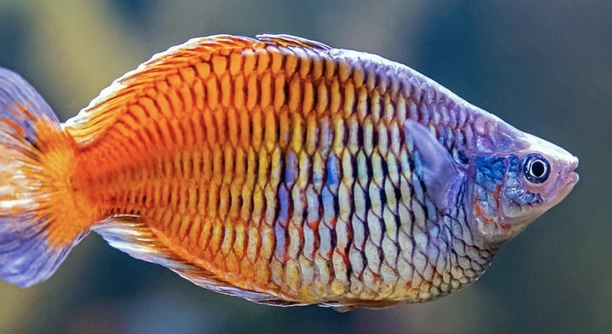
Rainbow fish are vibrant, lively creatures that add beauty to any aquarium. For those caring for them, ensuring they have the right environment is essential for their well-being. A common question is whether they need a bubbling stone.
Rainbow fish can thrive without a bubbling stone, but they benefit from water movement. Bubbling stones provide aeration, which helps oxygenate the water and promotes better circulation. However, it’s not a strict requirement for their survival.
Understanding how water movement impacts their habitat will allow you to make the best choices for your rainbow fish’s health.
Importance of Oxygen in the Aquarium
Rainbow fish need sufficient oxygen to stay healthy, and water movement helps increase oxygen levels. In an aquarium, oxygen levels naturally decrease when water becomes stagnant. Without proper aeration, your fish may not get the oxygen they need, leading to stress or illness.
While a bubbling stone is one way to promote oxygenation, it isn’t the only option. A filter with good water circulation can also provide the necessary oxygen flow. If the water is constantly moving, oxygen levels will stay consistent, and rainbow fish will feel more comfortable.
However, it’s essential to strike a balance. Too much movement can create stress for your fish. Avoid excessive water flow that could make your rainbow fish struggle to swim. Instead, a gentle current will provide the right amount of oxygen while still allowing your fish to swim freely. Your fish will thrive in a well-maintained tank that respects their needs for both oxygen and comfort.
How to Maintain Water Quality
Maintaining good water quality is a priority for rainbow fish. Regularly check water parameters like pH, ammonia, nitrite, and nitrate levels. Keeping these within ideal ranges will support their overall health and oxygen consumption. Regular water changes and a proper filtration system will go a long way in maintaining a healthy tank.
Proper water quality is critical for the well-being of rainbow fish. Poor water quality can lead to diseases and a lack of oxygen. Keeping the tank clean and free from toxins ensures your fish are living in an optimal environment. A good filtration system paired with regular water changes keeps your tank clean and ensures adequate oxygen flow.
Effects of Lack of Aeration on Rainbow Fish
Without proper aeration, rainbow fish may show signs of stress. Low oxygen levels can cause them to swim erratically or even gasp at the water’s surface. This can result in weakened immune systems, making them more susceptible to diseases.
Rainbow fish rely on oxygen-rich water to stay active and healthy. When oxygen levels drop, their natural behaviors become impaired. They may not swim as freely or interact with other fish. Over time, this can lead to health problems, making it essential to ensure proper water movement and aeration. Regular monitoring of water conditions helps prevent these issues and promotes a stable environment.
Additionally, rainbow fish can become lethargic or experience stunted growth in poorly oxygenated water. Their metabolism slows down, leading to reduced feeding and overall decline. Aeration not only helps with oxygen but also promotes a more stable environment that supports fish health and encourages normal behavior. Avoiding stagnant water is crucial for the well-being of your fish.
Choosing the Right Aeration Equipment
Selecting the right aeration equipment involves considering the size of your aquarium and the needs of your rainbow fish. While bubbling stones are popular, air pumps and filters can also perform the same function without the visual distraction of bubbles.
An air pump paired with a sponge filter provides gentle aeration, perfect for smaller tanks or delicate fish. This setup keeps water moving at a gentle pace, ideal for rainbow fish that prefer calmer environments. Additionally, air stones can be positioned in areas where water movement needs to be adjusted, offering more control over oxygen distribution.
For larger tanks, a stronger air pump or filter system might be necessary to ensure proper aeration. Always assess the tank size and the needs of your fish before making a purchase. Choosing equipment suited to your tank’s needs will make a significant difference in maintaining proper oxygen levels and water quality.
Benefits of Regular Water Changes
Regular water changes are essential for maintaining a healthy environment for rainbow fish. It helps remove excess nutrients, waste, and toxins, which can negatively affect the water quality and oxygen levels.
By changing the water regularly, you ensure that the tank remains free from harmful substances that could impact the health of your fish. Fresh water provides a cleaner, safer environment, allowing rainbow fish to thrive. This simple practice can prevent oxygen depletion and reduce the risk of diseases that arise from poor water quality.
Water Temperature and Oxygen Levels
Water temperature plays a crucial role in oxygen solubility. Higher temperatures reduce the amount of oxygen in the water, while cooler temperatures help retain more oxygen. Maintaining a stable, moderate temperature helps rainbow fish stay healthy and oxygen-rich.
For rainbow fish, water temperature between 72°F and 78°F (22°C to 26°C) is ideal. Keeping the water within this range ensures proper oxygen levels without causing stress. Be mindful of sudden temperature fluctuations, as this can lead to oxygen instability and discomfort for the fish. Monitoring the water’s temperature helps create a stable, comfortable environment.
Water Movement and Oxygen Distribution
Water movement not only helps oxygenate the tank but also ensures the even distribution of oxygen throughout the aquarium. When water circulates, it prevents stagnant areas where oxygen could be depleted.
Rainbow fish prefer a moderate flow, which promotes healthy swimming and ensures oxygen reaches all corners of the tank. Proper water movement also supports the filtration system, helping maintain clean water. Ensure that the current is gentle enough for the fish to navigate but strong enough to promote aeration.
FAQ
Do rainbow fish need a bubbling stone?
Rainbow fish do not necessarily need a bubbling stone to survive. While they benefit from water movement, it is not a strict requirement for their well-being. A bubbling stone can help oxygenate the water, but proper filtration and gentle water circulation can achieve the same effect. The key is ensuring that the water is well-oxygenated and free of stagnant areas, which can negatively impact the fish’s health.
What’s the best way to provide aeration for rainbow fish?
The best way to provide aeration for rainbow fish is through gentle water movement. This can be achieved using a sponge filter or an air pump connected to an air stone. These devices create a steady flow of oxygen without causing excessive turbulence. For larger tanks, a stronger filtration system can help with oxygenation, as long as it doesn’t create too strong a current that could stress the fish.
How often should I change the water in my rainbow fish tank?
Water changes should be done regularly to maintain a healthy environment for your rainbow fish. A 25% to 30% water change every two weeks is ideal. However, in heavily stocked tanks or those with a less effective filtration system, more frequent changes may be necessary. Regular water changes help keep the water clean, remove toxins, and maintain oxygen levels, which are vital for fish health.
Can rainbow fish live without a filter?
Rainbow fish can technically survive without a filter, but it is not recommended. Filters help maintain water quality by removing waste, debris, and excess nutrients, which can lead to harmful conditions in the tank. Without a filter, you would need to perform frequent water changes to maintain a safe environment. A filter also helps with aeration and water movement, which are beneficial for oxygen levels.
What is the ideal temperature for rainbow fish?
The ideal temperature for rainbow fish is between 72°F and 78°F (22°C to 26°C). Keeping the water temperature within this range ensures that the fish remain active and healthy. Temperature fluctuations outside of this range can cause stress and disrupt oxygen levels, which may negatively affect the fish’s well-being. It’s important to monitor the temperature regularly using a reliable aquarium thermometer.
Can rainbow fish live in cold water?
Rainbow fish are tropical species and do not thrive in cold water. Water temperatures below 68°F (20°C) can stress them, slow their metabolism, and make them more susceptible to diseases. It’s best to keep their tank water within the recommended temperature range of 72°F to 78°F (22°C to 26°C) for optimal health and comfort.
Do rainbow fish require a lot of oxygen?
Rainbow fish are not particularly demanding when it comes to oxygen but still require a well-oxygenated environment to stay healthy. Ensuring that the water is properly aerated with either a bubbler or a filter with good circulation is essential. A lack of oxygen can cause stress and health problems for the fish. Providing consistent water movement and maintaining water quality helps keep oxygen levels stable.
How can I tell if my rainbow fish is stressed?
Stressed rainbow fish may exhibit several signs, including erratic swimming, lethargy, or gasping at the water surface. They may also display faded or dull colors and may hide more than usual. If these signs appear, it could indicate poor water quality, temperature fluctuations, or insufficient oxygen levels. Regularly checking water parameters and ensuring proper aeration can help prevent stress.
Can rainbow fish live with other species?
Rainbow fish are peaceful and can generally live with a wide variety of other fish. However, it’s important to avoid aggressive species that might stress or harm them. Smaller, peaceful community fish such as tetras or gouramis make good tankmates for rainbow fish. Ensure that the other species’ requirements for water temperature and pH are similar to those of rainbow fish.
What should I feed rainbow fish?
Rainbow fish are omnivores and will accept a variety of foods. They thrive on a balanced diet that includes high-quality flakes, pellets, and live or frozen foods like brine shrimp or daphnia. Offering a variety of foods helps ensure they get all the necessary nutrients. It’s important not to overfeed, as excess food can pollute the water and affect oxygen levels.
Do rainbow fish need live plants in their tank?
Rainbow fish do not need live plants in their tank, but they do benefit from having them. Live plants help oxygenate the water, provide hiding spaces, and contribute to overall tank health. They also assist in maintaining water quality by absorbing excess nutrients. While not a necessity, live plants can create a more natural and healthier environment for your fish.
Can I keep rainbow fish in a small tank?
Rainbow fish can be kept in smaller tanks, but they are best suited for larger tanks that provide ample swimming space. A tank size of at least 30 gallons is recommended for a small group of rainbow fish. Smaller tanks can lead to overcrowding, poor water quality, and insufficient oxygen levels, all of which can negatively impact the health of your fish.
How many rainbow fish should I keep together?
Rainbow fish are social animals and should be kept in groups of at least 5 to 6 individuals. Keeping them in small groups reduces stress and allows them to display their natural behaviors. Larger schools are even better, as they provide greater comfort and help to reduce aggressive tendencies from dominant fish. A group of rainbow fish will also be more active and vibrant.
Do rainbow fish need a lot of space to swim?
Rainbow fish are active swimmers and need plenty of space to thrive. A tank with at least 30 gallons of water is ideal for a small group of rainbow fish. The larger the tank, the more space they will have to swim and explore. Providing adequate space helps reduce stress and promotes their natural behaviors.
Final Thoughts
Maintaining a healthy environment for your rainbow fish is crucial for their well-being. Proper aeration, water quality, and temperature control are key to ensuring their health. While a bubbling stone isn’t necessary for their survival, it can help maintain oxygen levels and improve water movement. Using a filter with gentle water flow or an air pump can achieve the same result, so it’s important to choose a setup that works best for your tank. Regular water changes and monitoring the water quality will also help keep the fish active and healthy.
Keeping rainbow fish requires attention to their specific needs, such as water temperature, oxygen levels, and social interaction. They thrive in stable, moderate environments with proper filtration and aeration. It’s important to avoid rapid temperature changes and to monitor water conditions regularly. Adding live plants to the tank can also contribute to a healthier environment by improving oxygen levels and removing excess nutrients. While these fish are hardy, their environment must be kept clean and stable to ensure they flourish.
In conclusion, while rainbow fish do not strictly need a bubbling stone, it can be beneficial for oxygenating the water and ensuring they have a healthy space to swim and grow. The focus should be on maintaining overall water quality, temperature stability, and proper aeration. With a well-maintained tank, regular water changes, and the right tank mates, rainbow fish can live long, healthy lives in your aquarium. Keeping an eye on these factors will help you create the ideal environment for your fish to thrive.

Hello,
If you enjoy the content that we create, please consider saying a "Thank You!" by leaving a tip.
Every little bit helps us continue crafting quality advice that supports the health, happiness, and well-being of pets around the world, for pets of all shapes, sizes, and species.
We really appreciate the kindness and support that you show us!