
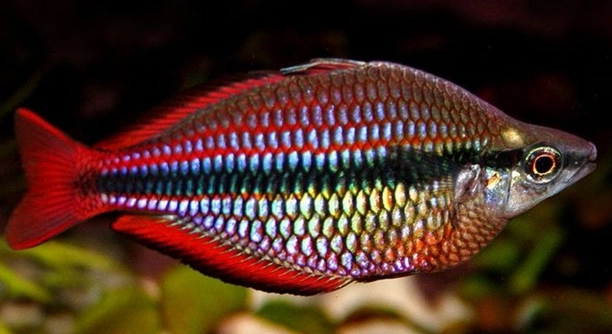
Losing a fish in a tank can be a heartbreaking experience. If you’ve noticed your remaining fish behaving differently, you may wonder if they grieve the loss of their tankmates. Understanding their behavior can provide clarity.
Fish do not experience mourning in the same way as humans. However, some species, including rainbow fish, may exhibit signs of stress or altered behavior after the loss of a tankmate. These behaviors are typically related to changes in their environment.
Understanding how rainbow fish react to loss can help you manage their care and environment. Their response to changes can vary, but their behavior often signals a need for adjustment or attention.
Do Rainbow Fish Recognize Other Fish?
Rainbow fish, like many aquarium species, are social creatures that interact with each other in unique ways. They can form bonds with their tankmates, recognizing individuals and displaying certain behaviors when those fish are present. While their recognition may not be as complex as human relationships, they do seem to notice the absence of familiar companions. When a tankmate is lost, the remaining fish may show signs of confusion, agitation, or a change in their usual routines. This behavior can be interpreted as their way of adjusting to a new social dynamic in the tank.
These fish rely on their environment and interactions with other fish for comfort and stability. Loss of a tankmate can disrupt this, leading to a temporary shift in behavior. It’s not mourning in the human sense, but rather an emotional response to an unfamiliar situation. They may swim less actively or spend more time hiding, indicating that they are adjusting to their new surroundings.
Even though the loss of a fish can cause temporary changes in behavior, the rest of the tank’s inhabitants usually adapt after a short period. Rainbow fish are resilient and will generally return to their normal behavior once they become accustomed to the new social structure. This adaptability is an important factor in their survival and well-being in a tank.
How to Support Rainbow Fish After Loss
Rainbow fish are typically strong and adaptable, but they still require a stable environment after a loss. Keeping the tank conditions stable will help them adjust more easily.
Maintaining water quality and temperature is essential to avoid adding stress to the remaining fish. After a tankmate is lost, it’s a good idea to closely monitor their behavior for any signs of prolonged stress. Providing hiding spots or rearranging the tank can give them a sense of security during this transition period. Offering food in smaller, more frequent amounts might also help them regain a sense of routine. Keeping things as normal as possible will support them through the adjustment.
Do Rainbow Fish Experience Stress After Losing a Tankmate?
Rainbow fish can experience stress after losing a tankmate. This stress may show up in different ways, such as changes in behavior or physical signs. They may become less active, spend more time hiding, or swim around aimlessly. These changes are often temporary but can indicate that the fish are trying to adjust to the absence.
Environmental changes, such as adding or removing fish, can disrupt the social balance in the tank. This can cause stress, especially for fish that are used to a consistent environment. If the remaining fish are not provided with the right conditions to settle in, their stress levels can increase. It’s important to watch for any signs of aggression or sickness, which can be a result of this stress. Maintaining water quality and stable tank conditions will help ease this period.
Supporting rainbow fish during this time requires patience. Keeping a consistent environment, ensuring the water parameters are stable, and observing their behavior closely will help them recover more quickly. This approach allows them to settle into their new social structure without added stress.
How to Help Rainbow Fish Adjust to a New Tankmate
When adding a new fish to a tank, it’s essential to take the time to introduce them properly. Rainbow fish tend to adjust better when introduced gradually, giving them time to get used to the new tankmate. This process helps prevent territorial issues and aggression.
Start by keeping the new fish in a separate tank or quarantine tank for a few days. This ensures the new addition is healthy and allows the existing fish to get used to the idea of a new presence. After a few days, you can slowly introduce the new fish into the main tank by using a tank divider or allowing them to see each other without physical contact. Gradually remove barriers as both fish become more comfortable with each other.
Once the new fish is fully integrated, monitor the tank closely for any signs of stress, aggression, or illness. Ensuring plenty of hiding spots and plants in the tank will give both fish the space they need to feel safe and reduce tension.
Signs Rainbow Fish Are Coping with the Loss of a Tankmate
After losing a tankmate, rainbow fish may show signs of adjusting. They might swim around the tank less or hide more often. This behavior suggests they are processing the absence of the other fish and adapting to a new environment.
If the fish are still eating, it’s a sign they are coping well. A decrease in appetite or food refusal can indicate stress, but it’s often temporary. Keeping an eye on their interaction with the other tankmates and their behavior will give you a better understanding of how they’re adjusting.
Maintaining Tank Stability After a Loss
It’s crucial to keep the tank environment as stable as possible following a loss. Any sudden changes can increase stress and hinder the fish’s adjustment. Ensure the water temperature, pH, and other parameters remain consistent.
Rainbow fish thrive in tanks with stable water conditions. Regular water changes, proper filtration, and balanced levels of ammonia, nitrites, and nitrates are essential for their well-being. Keep the lighting steady and avoid rearranging the tank too much, as this can further stress the remaining fish. Stability is key to helping them recover.
Importance of Observation During This Period
Monitoring the rainbow fish closely after a loss is important. Watch for changes in their behavior, such as increased aggression or reluctance to swim. These signs can indicate stress and the need for adjustments in their environment.
If issues persist, consult an aquarium professional for advice.
FAQ
Do rainbow fish grieve like humans?
Rainbow fish do not grieve like humans. They do not experience emotions in the same way we do, but they can show signs of stress when a tankmate is lost. This stress may result in changes in behavior, such as hiding more often, swimming aimlessly, or being less active. These reactions are typically a result of the environmental shift, not mourning. Over time, they will likely adjust and return to their usual routines.
Can rainbow fish live alone after losing a tankmate?
Rainbow fish can live alone, but they are social creatures by nature. If you plan to keep a single rainbow fish, it’s important to provide a stable, enriched environment. Without a tankmate, they may become more stressed or inactive. However, many fish can adapt to solitary living if their needs for stimulation and a consistent environment are met.
How long will it take for rainbow fish to adjust after losing a tankmate?
The time it takes for rainbow fish to adjust after losing a tankmate can vary. Generally, they may take a few days to a couple of weeks to fully settle into their new routine. During this time, monitor their behavior closely and ensure they are not showing signs of prolonged stress, such as a lack of appetite or aggressive behavior toward other tankmates.
Can rainbow fish show aggression after the loss of a tankmate?
Yes, some rainbow fish may show aggression after the loss of a tankmate. The change in the social dynamic can cause stress, leading to territorial behavior or increased aggression. This is more likely in smaller tanks where space is limited. Ensuring there are enough hiding spots and places to retreat can help reduce this behavior.
What should I do if my rainbow fish is not eating after losing a tankmate?
If your rainbow fish is not eating after the loss of a tankmate, it could be a sign of stress. Give them time to adjust, but continue to monitor their behavior closely. You can try offering different types of food to stimulate their appetite or break their routine. Ensure the water quality is optimal, as poor water conditions can also cause loss of appetite.
Can I add a new tankmate to help with the adjustment?
Adding a new tankmate can help fill the social gap, but it should be done carefully. When introducing a new fish, make sure they are compatible with rainbow fish and that the tank conditions suit both species. Gradually introduce the new fish by using a quarantine tank first to avoid introducing diseases. Give the remaining fish time to adjust to the new presence without overwhelming them.
Are there any signs I should watch for to indicate my rainbow fish is not coping well?
Yes, some signs that a rainbow fish may not be coping well include a significant change in swimming patterns, such as staying at the bottom of the tank or hiding all the time. Loss of appetite, increased aggression, or unusual behavior like swimming in circles or erratically can also signal stress. If these behaviors persist, it may be necessary to make changes to their environment or consult with an aquarium expert.
How can I help my rainbow fish feel secure after a loss?
To help your rainbow fish feel secure, maintain stable water conditions, including temperature, pH, and water quality. Adding plants, rocks, or other hiding spots can help them feel safe and reduce stress. Avoid making any sudden changes to the tank setup, as this can further disrupt their environment. A consistent routine will also help them feel more comfortable and settled.
Should I remove the deceased tankmate immediately?
It is important to remove a deceased tankmate promptly to maintain water quality and prevent decay, which can pollute the tank. However, doing so may affect the remaining fish temporarily, as they may notice the absence. Ensure that the rest of the tank’s environment remains undisturbed to help the surviving fish adjust.
Can rainbow fish be kept with other species after the loss of a tankmate?
Yes, rainbow fish can be kept with other species as long as they are compatible. However, it’s important to monitor interactions closely, especially after a loss. Some rainbow fish may become more territorial or stressed, which could affect their behavior around new or existing tankmates. Make sure to choose species that can coexist peacefully and provide plenty of space and hiding places in the tank.
Is it necessary to quarantine a new tankmate after losing a fish?
Yes, quarantining a new tankmate is always a good idea to prevent potential diseases from entering your tank. Even if your rainbow fish is adjusting well after a loss, adding a new fish should be done cautiously to avoid further stress. Quarantine the new fish for at least a week to ensure it is healthy before introducing it to the main tank.
Final Thoughts
Rainbow fish can experience stress after the loss of a tankmate. Their response to such a change can vary, with some showing noticeable signs of discomfort, such as hiding more or becoming less active. While they may not grieve like humans, they can still be affected by the loss. Understanding these reactions and giving the fish time to adjust is important. It’s essential to monitor their behavior closely during this period and ensure they have a stable environment to help them recover. With patience and proper care, rainbow fish can return to their normal behavior and thrive again.
Keeping the tank conditions consistent is crucial in helping the remaining fish cope. Rainbow fish are sensitive to changes in their environment, and sudden shifts in water quality, temperature, or tank setup can increase their stress. To support the fish during this time, ensure the water parameters are stable and avoid making any major changes to the tank. Providing plenty of hiding spots, plants, and decorations will also give the fish the sense of security they need. By maintaining a calm and steady environment, the fish will have a better chance of recovering from the loss.
In some cases, adding a new tankmate can help fill the social gap left by the deceased fish. However, this process should be done carefully. A gradual introduction of a new fish can help the existing fish adjust without additional stress. It is also essential to ensure that the new fish is compatible with the rainbow fish and that their tank conditions are appropriate for both species. With the right steps, rainbow fish can adjust to the loss and continue to live peacefully in their environment.

Hello,
If you enjoy the content that we create, please consider saying a "Thank You!" by leaving a tip.
Every little bit helps us continue crafting quality advice that supports the health, happiness, and well-being of pets around the world, for pets of all shapes, sizes, and species.
We really appreciate the kindness and support that you show us!