
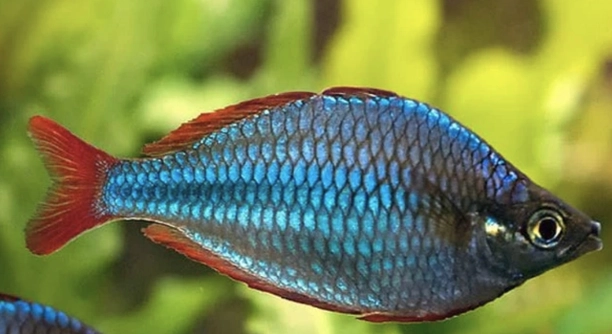
Rainbow fish are a vibrant and captivating species found in both freshwater and marine environments. Their colorful scales and playful nature often capture the attention of many aquarists. But do they enjoy watching bubbles rise in their environment?
Rainbow fish do not actively seek out bubbles in their surroundings. While they may swim through bubbles or be intrigued by movement, there is no scientific evidence to suggest that bubbles have a specific attraction or interest to them.
Understanding the behavior of rainbow fish helps ensure their well-being. It also enhances the aquarium experience, providing insight into their natural habits and preferences.
Why Bubbles Fascinate Aquatic Life
Bubbles are a common sight in many aquariums. They are often used for aeration, creating a visually pleasing effect as they rise to the surface. For fish, especially species like rainbow fish, bubbles can serve as an interesting addition to their environment. Fish are naturally curious creatures and may interact with bubbles as part of their exploration. However, there is no evidence to suggest that these bubbles provide any significant entertainment or benefit to their well-being. Instead, bubbles can sometimes serve as a visual distraction or simply an element of their habitat they pass by occasionally. For rainbow fish, their main focus is usually more on food, movement, or the presence of other fish.
Some aquarists may believe that fish enjoy bubbles more than they actually do. While they may swim through them or notice them, it’s more likely that the bubbles are just another part of their environment. In fact, some species may not be particularly fond of excessive bubbling as it can cause water turbulence, affecting their comfort.
Fish behavior is largely driven by the search for food and companionship, not by the rising of bubbles. For rainbow fish, the primary interactions are typically focused on these needs. However, bubbles can play a role in maintaining the aquarium’s water quality and oxygen levels, which indirectly benefits the fish. Understanding what draws fish into interaction with their surroundings, including bubbles, helps in creating the ideal tank setup. Proper aeration and water movement can be key factors in ensuring a healthy environment for your rainbow fish.
How Bubbles Affect the Tank Environment
The presence of bubbles does play a role in the aquarium ecosystem. They help in oxygenating the water, which is vital for the survival of fish and other aquatic life. Bubbles are produced by air pumps or aerators that push air through a stone or similar device, creating small pockets of air that rise to the surface. This movement aids in circulating the water, ensuring that oxygen is evenly distributed throughout the tank. While rainbow fish may not actively seek out bubbles, their environment benefits greatly from the increased oxygen levels that bubbles provide.
In addition to improving water quality, bubbles can also affect the visual appeal of the aquarium. The movement of bubbles creates an ever-changing, dynamic aspect of the tank, adding life and motion. However, it is essential to ensure that the bubbles are not too strong, as excessive bubbling can lead to unnecessary turbulence, which might disrupt the natural behavior of the fish. Rainbow fish, in particular, may become stressed if the water conditions are not optimal, leading to undesirable effects on their health.
Balancing the amount of aeration in the tank is crucial. While it’s important to maintain oxygen levels, it’s equally important to avoid creating an environment that could make the fish uncomfortable. Managing both water quality and the fish’s comfort ensures a healthier aquarium, where the fish can thrive without being distracted or disturbed by excess movement in the water.
The Role of Water Movement in Fish Behavior
Water movement plays a significant role in the comfort of rainbow fish. Some movement, like gentle currents, can encourage natural behaviors, while excessive turbulence can stress the fish. Finding the right balance in water movement is key to maintaining a peaceful aquarium.
Rainbow fish are naturally found in environments with gentle to moderate water flow. In the wild, they swim through streams or lakes with natural currents. Within an aquarium, too much water movement can cause stress and disrupt feeding and social interactions. However, too little flow can lead to stagnant water, which may not support proper oxygen levels. A moderate flow encourages healthy fish behavior and supports their natural instincts.
To ensure the right water movement, consider adjusting your aquarium’s filter and aerator settings. Positioning them strategically can create subtle currents that mimic the rainbow fish’s natural environment. Observing your fish’s behavior will help you determine if the water movement is ideal, allowing them to swim comfortably while benefiting from proper oxygenation.
Impact of Tank Decorations on Rainbow Fish
Tank decorations can affect the behavior and health of rainbow fish. While decorative items can create hiding spots and enrichment, they should not disrupt water flow or overcrowd the tank. Properly placed decorations enhance both the aesthetics and functionality of the aquarium.
Rainbow fish prefer tanks with plants, rocks, and other structures to mimic their natural environment. These elements provide hiding spots and create opportunities for social interaction. However, excessive decorations or poorly placed items can cause stress, particularly if the fish are unable to swim freely. It’s important to ensure that the tank remains spacious enough for them to move easily while still offering enrichment.
Choosing decorations that replicate the natural habitat of rainbow fish can make the aquarium more appealing. Consider soft, non-abrasive materials that won’t damage their fins, and avoid placing decorations in a way that blocks water flow. Maintaining a balance between aesthetics and practicality is crucial to keeping rainbow fish healthy and happy.
Feeding Rainbow Fish and Tank Interactions
Feeding time is an essential part of a rainbow fish’s routine. These fish are opportunistic feeders and will eagerly swim to the surface when food is introduced. The presence of bubbles doesn’t seem to affect their feeding behavior.
Rainbow fish are not picky eaters and enjoy a variety of foods, such as flakes, pellets, and live or frozen foods. They typically feed in mid to upper water levels, responding quickly when food is added. The rising bubbles do not appear to distract them from their feeding behavior, as they are more focused on the food itself. Ensuring a balanced diet will keep the fish healthy and active.
The Importance of Light in the Aquarium
Lighting plays a vital role in a rainbow fish’s environment. Proper lighting helps maintain the tank’s aesthetic while promoting healthy behaviors. It also affects the fish’s circadian rhythm, which is important for their well-being.
Rainbow fish, like many other species, thrive in a regular light cycle. Too much light can lead to stress, while too little can affect their health and behavior. A consistent day-night cycle with dim lighting during the night promotes a natural environment, encouraging the fish to rest during the dark hours. It’s important to use aquarium lights designed for aquatic environments to avoid harming the fish or plants.
Tank Size and Rainbow Fish Comfort
The size of the tank directly impacts the comfort and health of rainbow fish. These fish need enough space to swim freely and feel secure in their environment. A tank that’s too small can cause stress and prevent natural behaviors.
A minimum of 20 gallons is recommended for a small group of rainbow fish, allowing them to swim and explore without feeling cramped. A larger tank not only provides ample swimming space but also creates a more stable environment for water parameters like temperature and pH. Ensuring your rainbow fish have room to move promotes their overall health and well-being.
FAQ
Do rainbow fish prefer calm or turbulent water?
Rainbow fish are generally more comfortable in calm to moderately flowing water. While they can tolerate some current, they thrive best in environments that mimic their natural habitats with gentle water movement. Excessive turbulence can cause stress, disrupt their feeding, and affect their overall health. A balanced water flow creates a more natural environment, allowing rainbow fish to swim freely and comfortably.
How often should I feed my rainbow fish?
Rainbow fish should be fed two to three times a day, offering small amounts of food each time. This helps mimic their natural feeding behavior and prevents overfeeding. It’s important to feed them a balanced diet consisting of high-quality flakes or pellets, supplemented with live or frozen food like brine shrimp or daphnia for variety. Overfeeding can lead to poor water quality and health issues, so it’s essential to only provide what they can consume in a few minutes.
Do rainbow fish need a heater in their tank?
Yes, rainbow fish require a consistent water temperature, typically between 72°F and 80°F (22°C – 27°C). If your home is in a cooler climate, a heater is necessary to maintain the appropriate temperature for their comfort and health. Sudden temperature fluctuations can cause stress and potentially harm the fish. A reliable heater ensures stable conditions, preventing the water from getting too cold or too warm.
Can rainbow fish live with other species?
Rainbow fish are peaceful and social, making them great tank mates for other non-aggressive species. They can coexist with various fish like tetras, gouramis, and catfish. However, it’s important to avoid keeping them with overly aggressive species that may harass or outcompete them for food. A well-planned community tank with plenty of space and hiding spots will ensure all the fish are comfortable.
What water parameters do rainbow fish prefer?
Rainbow fish prefer slightly acidic to neutral water, with a pH range of 6.5 to 7.5. The water hardness should be soft to moderately hard. Maintaining stable water conditions is key to keeping them healthy. Regular water changes are necessary to ensure water quality, along with monitoring ammonia, nitrite, and nitrate levels to prevent toxicity.
Do rainbow fish need live plants in their tank?
While rainbow fish do not specifically require live plants, adding them to the tank can provide additional benefits. Plants help create a more natural environment, offering hiding spots and areas for the fish to explore. They also contribute to water quality by absorbing excess nutrients and helping to oxygenate the water. However, if you choose to add plants, ensure that they are suitable for aquarium conditions and that they do not overwhelm the space.
How long do rainbow fish live?
Rainbow fish generally live for about 5 to 8 years, although their lifespan can vary based on the quality of their care and environment. Maintaining proper water conditions, providing a balanced diet, and ensuring they are free from disease will help them reach their maximum lifespan. Regular water changes and tank maintenance are also essential for their long-term health.
Are rainbow fish active?
Yes, rainbow fish are very active and enjoy swimming throughout the aquarium. They often swim in groups, especially when they feel secure in their environment. Providing plenty of swimming space in the tank will allow them to exhibit their natural behaviors. However, it’s important to avoid overcrowding the tank, as this can stress the fish and limit their ability to move freely.
What do rainbow fish eat in the wild?
In the wild, rainbow fish are omnivores and have a varied diet. They eat a combination of plant matter, small invertebrates, and zooplankton. They often forage in the mid-water level of rivers and lakes, consuming whatever food is available. In captivity, this diet can be replicated with high-quality flake food, supplemented with live or frozen foods like brine shrimp, bloodworms, and daphnia. A varied diet helps keep them healthy and active.
Can rainbow fish be bred in captivity?
Yes, rainbow fish can be bred in captivity, though it requires some preparation. To encourage breeding, provide a well-maintained tank with stable water parameters, a balanced diet, and plenty of space for the fish to swim. Rainbow fish often spawn in the early morning hours, with the females laying eggs that are fertilized by the males. After spawning, it is important to remove the adults from the tank to prevent them from eating the eggs. The eggs will hatch in about a week, and the fry should be fed specialized foods like infusoria or finely crushed flakes until they are large enough to eat regular food.
Do rainbow fish require special lighting?
Rainbow fish do not have specific lighting requirements, but they thrive in a natural light cycle. Providing 10 to 12 hours of light per day will mimic the conditions of their native environments and support their overall health. It’s also important to ensure the light is not too intense, as this can cause stress. Use aquarium lights designed to promote plant growth, which also benefits the fish by maintaining the right balance of light in the tank.
Why are my rainbow fish changing color?
Rainbow fish are known for their vibrant colors, which can change in response to various factors such as stress, breeding conditions, or water quality. Changes in color can also occur during interactions with other fish, especially when they are trying to establish dominance or during mating displays. If the color change is sudden or extreme, it could indicate that the fish is stressed or unwell. It’s important to check water parameters, ensure the tank is not overcrowded, and monitor the fish for any signs of illness.
Do rainbow fish require specific tank conditions for breeding?
Rainbow fish are relatively easy to breed in captivity as long as the tank conditions are right. The water temperature should be between 75°F and 80°F (24°C – 27°C), and the water should be soft with a slightly acidic to neutral pH. Providing plenty of plants or spawning mops for the fish to lay their eggs is crucial. Once the eggs are laid, the adults should be removed from the tank to protect the eggs from being eaten. With proper care, rainbow fish can breed successfully and produce healthy fry.
Can rainbow fish survive in a pond?
Rainbow fish can live in outdoor ponds, provided the climate is warm enough and the pond is properly maintained. They do best in ponds with stable, moderate water temperatures and minimal water fluctuations. In regions with cooler winters, it’s important to either bring the fish indoors during colder months or ensure the pond is heated to maintain a suitable temperature. A pond also provides a natural environment for rainbow fish, with plenty of space to swim and plants for shelter.
Final Thoughts
Rainbow fish are a popular choice for aquarium enthusiasts due to their peaceful nature and vibrant colors. They are relatively easy to care for, making them a great option for both beginners and more experienced fish keepers. Their calm temperament allows them to live alongside many other species, and their social behavior makes them enjoyable to watch in a community tank. However, like all fish, they require proper care and attention to ensure they thrive in their environment. Regular water changes, monitoring water parameters, and providing a balanced diet are essential to their well-being.
Maintaining the right water conditions is crucial for the health of rainbow fish. These fish prefer slightly acidic to neutral water with moderate temperatures. A well-maintained aquarium with stable conditions helps reduce stress and supports their natural behavior. A good filtration system, appropriate tank size, and a proper light cycle are all factors that contribute to a healthy environment. While rainbow fish are relatively hardy, any fluctuation in water quality or temperature can lead to health issues, so it’s important to stay on top of tank maintenance.
In conclusion, rainbow fish are a wonderful addition to any freshwater aquarium, provided their needs are met. Their active and social nature, combined with their striking appearance, makes them a fascinating species to care for. By ensuring they have a suitable habitat with the right tank mates, feeding routine, and water conditions, you can enjoy the beauty and tranquility they bring to your aquarium. With the right care, rainbow fish can live long and healthy lives, creating a lively and colorful presence in your home.

Hello,
If you enjoy the content that we create, please consider saying a "Thank You!" by leaving a tip.
Every little bit helps us continue crafting quality advice that supports the health, happiness, and well-being of pets around the world, for pets of all shapes, sizes, and species.
We really appreciate the kindness and support that you show us!