
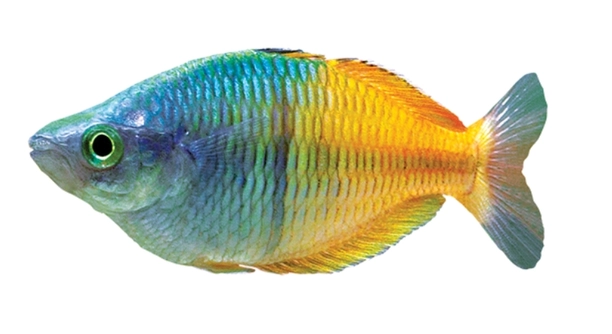
Rainbow fish are vibrant and popular in aquariums. Many aquarium owners wonder if these colorful creatures prefer specific spots in the tank, especially warmer areas. Understanding their needs is important for providing the best care possible.
Rainbow fish prefer stable water temperatures, typically ranging from 72°F to 78°F (22°C to 26°C). While they do not seek out warm spots specifically, they do benefit from consistent warmth throughout the tank to maintain their health and activity levels.
Proper tank conditions can make a big difference in their behavior and health. Knowing how to create the ideal environment for rainbow fish is key to helping them thrive in your aquarium.
Temperature Preferences of Rainbow Fish
Rainbow fish thrive in tanks with consistent temperatures. They are native to tropical environments, where warm waters are the norm. Because of this, they do better when the water is kept stable within a specific range. These fish are not known for seeking out warmer spots, but they do rely on an evenly distributed temperature.
To maintain this stability, a reliable heater and thermometer are essential. Without these, fluctuations in the water temperature could cause stress or illness in your fish. Since they don’t prefer specific spots for warmth, the entire tank should be within the optimal temperature range. A tank with warm, balanced water ensures the fish are active and healthy.
If you find that your rainbow fish are staying close to the surface or spending a lot of time in one corner, it may be a sign that the water temperature is too cold or too hot. Ensure your heater is working properly and check for any sudden temperature shifts.
How Tank Environment Affects Rainbow Fish
The environment in your tank plays a large role in the overall health of your rainbow fish. Temperature is one of the most important factors, but it’s also crucial to maintain the right water conditions. Regular water changes and filtration help keep the tank clean and safe for the fish.
Rainbow fish are sensitive to drastic changes in their environment. Even a slight fluctuation in temperature can affect their behavior, making them more stressed. If you notice your fish are not swimming around or seem lethargic, consider checking the temperature. Adding a temperature controller can help maintain a steady environment.
Keeping your tank in optimal conditions doesn’t only involve monitoring the temperature. You’ll need to keep an eye on pH levels, water hardness, and tank cleanliness to ensure that the rainbow fish thrive. Regular maintenance and monitoring are key to providing a safe, stable environment.
Tank Size and Its Impact on Temperature
The size of your tank can affect how well temperature is maintained. Larger tanks hold temperature better than smaller ones because the water is less likely to fluctuate quickly. A small tank can heat up or cool down much faster, making it harder to keep the temperature stable for your rainbow fish.
If your tank is on the smaller side, it might be worth investing in a quality heater and thermometer. This way, you can closely monitor the water and ensure it stays within the right range. Smaller tanks often require more attention to detail when it comes to maintaining steady temperatures.
On the other hand, large tanks generally offer a more forgiving environment. As long as the water is kept warm, it’s less likely to experience sudden temperature shifts. It’s easier to control the climate in a larger tank, which benefits your rainbow fish’s overall health.
The Role of Tank Placement
Where you place your tank matters when it comes to keeping the water at a steady temperature. Putting your aquarium in a drafty area or near windows can lead to temperature instability. A stable spot, away from external temperature changes, will help.
For optimal results, place your tank away from direct sunlight and air vents. These can cause the water to either overheat or cool down too much. The temperature of the surrounding room also plays a part, so ensure the room is kept at a comfortable temperature.
In addition to avoiding drafts, placing the tank in a low-traffic area can reduce stress for your rainbow fish. Too much movement around the tank can create disturbances that affect both temperature and their well-being.
Effects of Overheating
Overheating is a common issue for aquarium owners. When the water temperature exceeds the optimal range, it can stress your rainbow fish. Symptoms include erratic swimming, loss of appetite, and rapid breathing.
If the water temperature becomes too high, oxygen levels may drop, making it harder for your fish to breathe. It’s important to regularly check the temperature to avoid overheating. A consistent, stable temperature is crucial for your rainbow fish’s health.
To prevent overheating, make sure your heater is functioning properly and that your tank is not placed in a spot where it gets too warm, like near a heater or direct sunlight.
Keeping the Tank Cool
If your aquarium gets too warm, there are simple ways to cool it down. Adding a fan near the surface of the water can help to cool it. You can also reduce the heater setting slightly.
Additionally, consider using a tank chiller, especially in warmer climates. This equipment will help maintain a safe temperature for your rainbow fish. Keep in mind that sudden drops in temperature can also stress your fish, so make adjustments gradually.
Avoid placing ice directly into the tank, as this can create sudden, harmful temperature shifts.
Monitoring Water Temperature
Keeping an eye on the water temperature is essential for maintaining a healthy tank. Use a reliable thermometer to track the temperature consistently. It’s a good idea to check it daily, especially if you are adjusting the heater or if the room temperature changes.
Having a thermometer with a digital readout can make it easier to get accurate readings. Placing the thermometer in a central location of the tank will give you a more accurate measurement of the overall temperature.
FAQ
Do rainbow fish need a heater in their tank?
Yes, rainbow fish require a heater in their tank to maintain a stable water temperature. They are tropical fish, which means they thrive in warm water, typically between 72°F and 78°F (22°C to 26°C). Without a heater, the water temperature could fluctuate, leading to stress and health issues for the fish. A reliable heater ensures that the tank maintains a consistent, comfortable temperature for the fish to stay active and healthy.
What happens if rainbow fish are kept in cold water?
If rainbow fish are kept in water that’s too cold, they can become lethargic and may stop eating. Extended exposure to cold water can weaken their immune systems, making them more susceptible to diseases. Cold temperatures also affect their metabolism, leading to slower growth and poor health. It’s important to ensure that the water remains within the recommended temperature range for the best results.
Can rainbow fish live in a tank without a filter?
While rainbow fish can technically survive in a tank without a filter, it is not recommended. A filter helps maintain water quality by removing waste, excess food, and toxins that can build up over time. Without a filter, the water may become dirty quickly, causing stress and health problems for your fish. Regular water changes and a good filtration system are essential for keeping your fish healthy.
Do rainbow fish prefer a specific tank size?
Rainbow fish do best in larger tanks. They are active swimmers, and having enough space to move around is essential for their health. A minimum tank size of 20 gallons is recommended for a small group of rainbow fish. Larger tanks offer more stable water conditions, which helps to maintain consistent temperatures. A bigger tank also allows for better water filtration, which is important for keeping the environment clean.
How many rainbow fish should be kept together?
Rainbow fish are social creatures and do best when kept in groups. It’s recommended to keep at least six rainbow fish together to reduce stress and encourage natural behavior. A larger group will also make the fish feel more secure and comfortable, as they naturally form schools in the wild. Keep in mind that a larger group will require a bigger tank to accommodate their needs.
Are rainbow fish aggressive towards other fish?
Rainbow fish are generally peaceful and non-aggressive. However, they can sometimes become territorial, especially in smaller tanks. As long as they are kept in groups and in appropriately sized tanks, they typically get along with other peaceful fish species. Avoid housing them with overly aggressive fish that might stress them out or damage their fins.
What type of water conditions do rainbow fish need?
Rainbow fish prefer slightly acidic to neutral water with a pH between 6.5 and 7.5. They also need soft to moderately hard water, with a general hardness (GH) of 10-15 dGH. Regular water changes and a proper filtration system will help maintain these conditions. Testing the water regularly is a good practice to ensure that the water parameters stay within the ideal range.
Can rainbow fish survive in a tank with high light levels?
Rainbow fish can tolerate a variety of light conditions, but they do better in moderate lighting. Bright, direct light can stress them, so it’s best to provide them with ambient lighting or use plants and decorations to create areas of shade. Having a balance of light and darker spots will make them feel more comfortable.
How do I keep rainbow fish healthy?
To keep rainbow fish healthy, you need to focus on proper water quality, temperature, and feeding. Ensure the water is kept within the right temperature range (72°F to 78°F), and maintain clean, filtered water. Regular water changes, ideally 25-30% once a week, will help keep toxins at bay. Rainbow fish also thrive on a varied diet, including high-quality flakes, pellets, and occasional live or frozen foods like brine shrimp or bloodworms.
Can rainbow fish be kept with other types of fish?
Yes, rainbow fish can generally be kept with other peaceful fish. They get along well with other non-aggressive species, such as tetras, guppies, and Corydoras catfish. Avoid housing them with fin-nippers or overly aggressive fish. It’s important to choose tank mates that can thrive in similar water conditions and temperatures.
What should I feed rainbow fish?
Rainbow fish are omnivores and enjoy a varied diet. They will accept high-quality flakes or pellets as their main food source. Supplement their diet with occasional live or frozen foods, such as brine shrimp, bloodworms, or daphnia. Providing a mix of plant-based foods like spirulina or algae wafers will also benefit their health. Feed them two to three times a day in small amounts to ensure they are eating properly without overfeeding.
Final Thoughts
Rainbow fish are hardy, colorful, and relatively easy to care for, making them a great addition to most freshwater tanks. Providing the right conditions is key to keeping them healthy. Temperature is one of the most important factors to monitor. These fish prefer warm water, typically between 72°F and 78°F, and consistent temperatures are crucial. Fluctuations in the water temperature can cause stress, weaken their immune systems, and lead to various health problems. Investing in a good heater and thermometer will help maintain the ideal environment for your fish.
In addition to temperature, water quality plays a significant role in the overall well-being of rainbow fish. Keeping the tank clean and making regular water changes will ensure the water remains free of harmful toxins. A good filtration system will also help keep the water clear and oxygenated. It’s important to check the pH and hardness levels of the water regularly, as rainbow fish thrive in slightly acidic to neutral water conditions. Providing a stable, clean environment will reduce the chances of disease and stress.
Lastly, while rainbow fish are peaceful, they thrive in groups. A small school of at least six fish will help them feel secure and encourage natural behavior. Make sure to place them in a tank that allows plenty of space for swimming and exploring. With the right care, rainbow fish will thrive and add vibrant color to your aquarium for years to come. They are an excellent choice for both beginners and experienced aquarium keepers, offering beauty and ease of care.

Hello,
If you enjoy the content that we create, please consider saying a "Thank You!" by leaving a tip.
Every little bit helps us continue crafting quality advice that supports the health, happiness, and well-being of pets around the world, for pets of all shapes, sizes, and species.
We really appreciate the kindness and support that you show us!