
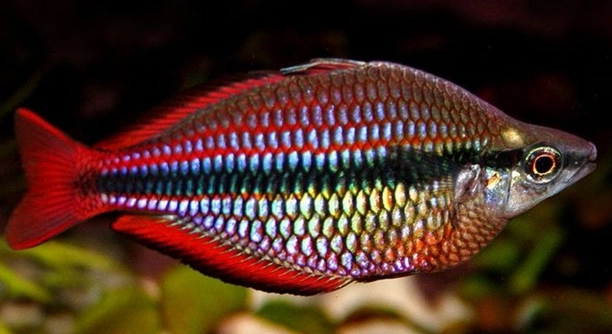
Have you ever set up a tank for your rainbow fish and found yourself wondering if they prefer tunnels or caves more? Choosing the right decorations can make a big difference in how happy and active they are.
Rainbow fish generally prefer caves over tunnels because caves offer a more enclosed, secure environment. These fish are naturally drawn to spaces that provide shelter from stressors, making caves a more comforting and attractive option for them.
Exploring how habitat choices impact your rainbow fish’s comfort will help you create a more enriching and supportive aquarium environment they can truly enjoy.
Why Rainbow Fish Prefer Caves Over Tunnels
Rainbow fish are active swimmers, but they also appreciate having safe places to hide and rest. Caves provide them with the feeling of safety they naturally seek in the wild. A well-placed cave can become a favorite spot for a rainbow fish to retreat when feeling stressed or simply wanting a break. Tunnels, while fun for short swims, do not offer the same sense of full enclosure. Fish can swim through tunnels quickly but may not linger there. Caves give them a steady hiding place where they can feel protected from light and movement outside the tank.
When given the choice, most rainbow fish will pick a cave over a tunnel because it meets their natural need for security and rest.
Setting up caves in your tank can help lower your fish’s stress levels and keep them active and healthy. It creates a comfortable space where they can recharge in peace.
How to Set Up the Right Environment for Rainbow Fish
Choosing the right decorations will make a big difference in your rainbow fish’s happiness. Caves should be large enough for them to swim into easily but small enough to feel cozy and private.
Use natural materials like smooth rocks or aquarium-safe resin caves to build safe hideouts that blend into the tank’s overall look. Avoid sharp edges that could harm delicate fins. Place caves near plants or quieter areas of the tank to make them more inviting. Rainbow fish also appreciate open swimming spaces, so try to balance hiding spots with open water. Tunnels can still be used as playful elements but should not replace caves altogether. Adding a mix of caves and tunnels can stimulate exploration while still providing essential shelter. Watch how your fish interact with new decorations. If they ignore tunnels but frequently hide in caves, it confirms their preference for secure spaces. Adjust the tank setup as needed to keep your rainbow fish feeling safe and content every day.
Choosing the Best Caves for Rainbow Fish
Look for caves made of aquarium-safe materials that will not alter the water chemistry. Ceramic, smooth rocks, and natural-looking resin caves work best. The cave should have a wide opening and no sharp edges that could tear fins.
A good cave for rainbow fish should offer enough space inside for them to turn around easily. Caves that are too small can stress the fish or make them feel trapped. Try to pick caves that match the size of your fish when fully grown. A mix of different sizes can also help if you have a community tank. Be sure to rinse any new cave decorations before placing them into the aquarium to remove dust or residues. Placing a few plants around the entrance can make caves feel even more secure, encouraging your fish to use them more often. Stability is important too, so make sure caves cannot topple over.
Stacking several caves together or placing them at different tank levels can offer your rainbow fish a choice of spots to explore and settle in. This setup can also prevent territorial behavior, especially if you have several fish sharing the tank. Provide enough hiding spots so every fish feels comfortable and safe.
Tips for Adding Tunnels to the Aquarium
Tunnels can still be fun if used properly in the tank. Choose wide, short tunnels that allow fish to pass through without feeling trapped. Keep the number of tunnels limited so the tank does not feel crowded.
When adding tunnels, make sure they are placed in areas with plenty of swimming space around them. Avoid stacking tunnels or placing them too close to caves, as this could make the tank look cluttered and cause stress. It is best to think of tunnels as a bonus rather than a main feature. Natural-looking tunnels made of safe materials blend better into the environment. Keep tunnels low to the ground and away from heavy filter flow to avoid confusing or scaring the fish. Cleaning tunnels regularly is important too since leftover food and debris can build up inside. If you notice your rainbow fish avoiding tunnels, it is better to remove a few and keep the focus on caves.
Signs Your Rainbow Fish Enjoy Their Caves
When rainbow fish are happy with their caves, they will spend time resting inside or near the entrance. They may also swim in and out calmly, showing they feel safe and relaxed around the structure.
If your fish frequently visit the caves without signs of stress like darting or hiding constantly, it is a good indication they enjoy them. Bright, steady coloring and active swimming when outside the cave also suggest they feel secure. Comfortable fish use caves as quiet resting spots rather than full-time hiding places.
Signs Your Rainbow Fish Are Uncomfortable With Tunnels
Rainbow fish that avoid tunnels altogether or only swim past them without stopping likely do not find them appealing. Constant hiding, pale colors, or skittish behavior can also show that the tunnels are not offering the security they need. If stress signs appear, reducing tunnels may help.
Final Thoughts on Caves and Tunnels for Rainbow Fish
Choosing caves over tunnels supports your rainbow fish’s natural needs better. Always prioritize safe, sturdy caves to give them a secure space to rest. Tunnels can be added for play, but they should never replace the comfort that caves provide in a well-balanced aquarium.
FAQ
Do rainbow fish need caves in their tank?
Rainbow fish benefit from having caves in their tank, as these provide a sense of security. While they are active swimmers, they also need a place to retreat when feeling stressed or threatened. Caves offer them a safe, quiet space to rest without feeling exposed to predators or high activity in the tank.
Can rainbow fish live without tunnels or caves?
Yes, rainbow fish can live without tunnels or caves, but they may not thrive. A tank without adequate hiding spaces can lead to stress and anxiety. While they are hardy fish, providing them with caves or shelters encourages natural behavior and helps maintain their health and activity levels.
How many caves should be in a rainbow fish tank?
The number of caves depends on the size of the tank and the number of fish. Generally, having at least one cave per fish is a good rule. This gives each fish a space to claim as its own, reducing territorial disputes and providing enough hiding spots to ensure all the fish feel secure.
Do rainbow fish prefer natural caves or artificial ones?
Rainbow fish don’t have a strong preference for natural versus artificial caves, as long as the structure is secure and safe. Natural caves made from rocks may mimic their natural habitat, but artificial caves made of resin or other materials are just as effective if they provide the same safety and shelter.
Can rainbow fish hide in caves during the day?
Rainbow fish may hide in caves during the day, but they will usually only do so when feeling stressed, unwell, or disturbed. In a well-balanced tank with good water conditions, rainbow fish are typically active and will spend most of their time swimming and exploring. If they frequently hide, it could be a sign of stress or discomfort.
What size cave should I use for my rainbow fish?
The size of the cave should match the size of your fish. The cave needs to be big enough for the fish to comfortably enter and turn around. If the cave is too small, it can create stress or limit the fish’s movement. A good size would be large enough for the fish to swim into easily without feeling cramped.
Do rainbow fish need tunnels or caves for breeding?
Rainbow fish may use caves or other shelters to lay eggs, especially if there are other fish in the tank. While caves are not essential for breeding, they can provide a more secure space for the fish to feel comfortable during the process. Tunnels are less commonly used for breeding but can still offer some shelter.
What is the best type of cave for rainbow fish?
The best type of cave for rainbow fish is one that mimics natural conditions, such as a smooth rock or a resin-based structure. Avoid caves with sharp edges that could harm the fish. The cave should be large enough to provide comfort and safety while also blending in with the tank’s overall design.
Can I use a tunnel instead of a cave for rainbow fish?
Tunnels can be used as additional structures for rainbow fish, but they are not as effective as caves for providing security. Tunnels are more suited for brief swims or exploration, whereas caves offer a more enclosed space where the fish can relax and feel hidden from potential threats. Both can be used, but caves are generally the preferred option.
How can I tell if my rainbow fish are happy with their caves?
Happy rainbow fish will spend time swimming in and around their caves without showing signs of stress. They will have vibrant colors, swim actively, and occasionally retreat into the cave to rest. If they are avoiding the caves, hiding excessively, or appearing pale, it could indicate discomfort.
Should I remove tunnels if my rainbow fish don’t use them?
If rainbow fish are not using the tunnels, removing them can help reduce tank clutter and give your fish more space to swim. Focus on providing more caves or other forms of shelter that your fish can use. Ensuring the tank layout encourages their natural behavior is key to their well-being.
Can rainbow fish share caves with other fish?
Rainbow fish can share caves with other peaceful fish. However, if there are too many fish in the tank or if the fish are territorial, they may fight over space. It is important to observe their behavior and ensure that each fish has access to a comfortable hiding spot.
How can I make caves more inviting for rainbow fish?
To make caves more inviting, position them near plants or areas with less water flow. Adding plants or smooth stones around the entrance can help the fish feel safer and more inclined to use them. A good balance of open swimming space and secure hiding spots is essential for creating a comfortable environment.
Can rainbow fish get stressed by their caves?
Rainbow fish can get stressed if the caves are poorly placed or not suited to their needs. Caves that are too small, too dark, or placed in high-traffic areas of the tank may cause stress. Ensure the caves are positioned in quieter areas and that the size is appropriate for the fish to move around comfortably.
How often should I clean caves in a rainbow fish tank?
Caves should be cleaned regularly, as debris, algae, and leftover food can build up over time. It’s a good idea to clean them once a week, especially if the tank has a high bio-load. Be sure to rinse the caves with warm water and avoid harsh chemicals that could harm the fish.
Can rainbow fish live with other species that need caves?
Rainbow fish are generally peaceful and can live with other species that also enjoy caves, as long as the tank is large enough. Ensure that there are enough caves for all fish to have their own space. Avoid aggressive species that may dominate or fight for these hiding spots.
Final Thoughts
When setting up an aquarium for rainbow fish, it is important to create an environment that supports their natural behaviors and needs. Caves and tunnels play an essential role in providing security and comfort. While rainbow fish are active swimmers and enjoy exploring their tank, they also require places where they can retreat and rest, especially if they feel stressed. Caves offer a safe space where the fish can relax and regain energy, mimicking the types of hiding spots they would use in their natural habitat.
Providing both caves and tunnels can offer variety, but it’s crucial to consider the size and placement of these structures. Caves are generally more beneficial for rainbow fish since they offer a more enclosed, secure space. Tunnels, on the other hand, are often used for short swims and exploration. While tunnels can still be helpful, they should not replace caves in a well-balanced tank setup. Having at least one cave per fish ensures that every fish has a place to retreat when needed, reducing stress and promoting a healthier environment.
In the end, it’s about balance. Both caves and tunnels can contribute to the overall health and happiness of your rainbow fish, but caves should always take priority when setting up the tank. Pay attention to the behavior of your fish to determine if they are using the caves and tunnels appropriately. If they seem to avoid these spaces or exhibit signs of stress, reassess the tank’s layout and make adjustments. A well-thought-out aquarium will support the natural instincts of your rainbow fish and allow them to thrive.

Hello,
If you enjoy the content that we create, please consider saying a "Thank You!" by leaving a tip.
Every little bit helps us continue crafting quality advice that supports the health, happiness, and well-being of pets around the world, for pets of all shapes, sizes, and species.
We really appreciate the kindness and support that you show us!