
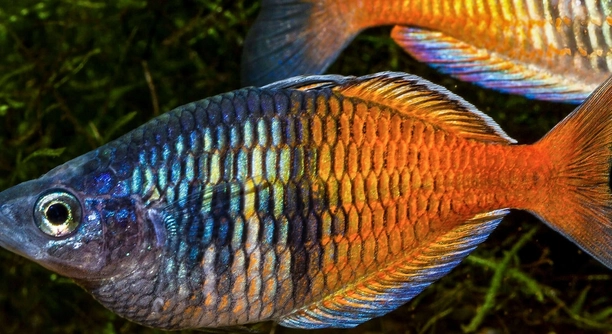
Do you ever find yourself watching your rainbow fish and wondering why they spend so much time near the surface of the tank? Their behavior can seem puzzling, especially if you’re new to fishkeeping.
Rainbow fish often prefer to swim near the top of the tank because they are surface feeders and active swimmers. Their natural habitat includes shallow, slow-moving waters, which influences their tendency to stay near the upper levels.
Understanding their behavior helps create a better tank setup and environment for your rainbow fish, keeping them healthy and stress-free.
Why Rainbow Fish Prefer the Top of the Tank
Rainbow fish are naturally active swimmers that enjoy open space. In the wild, they are found in shallow rivers and streams where they feed on insects and small organisms near the surface. This behavior carries over into aquarium life, making them more likely to stay near the top of the tank. They also rely on strong lighting, and the top area is usually the brightest part of the aquarium. When kept in a tank that mimics their natural environment, rainbow fish thrive and display their vibrant colors more boldly. It’s important to make sure the surface is clear of debris and that the tank has enough horizontal space for swimming. A well-maintained tank with the right setup can help keep rainbow fish comfortable and active. Their top-level swimming is completely normal and shouldn’t be a cause for concern as long as other signs of stress aren’t present.
The behavior also helps them access floating food quickly. They have adapted to feed efficiently at the surface.
If your rainbow fish are swimming at the top, it might just mean they’re acting as they should. This behavior can be completely normal and healthy, especially when other conditions in the tank are balanced.
When Top Swimming Might Be a Problem
Sometimes, top swimming can signal a water quality issue or oxygen shortage. These problems can affect your fish’s health over time.
If your rainbow fish are constantly at the top and appear to be gasping or moving sluggishly, it’s worth checking the water conditions. Low oxygen levels are a common reason fish hover near the surface. This can happen when the tank lacks proper filtration or when water temperature rises, lowering the oxygen supply. It’s a good idea to use an air stone or adjust the filter for better circulation. Checking the temperature, ammonia, nitrite, and nitrate levels can help you catch issues early. A thermometer and basic water testing kit are helpful tools for any fish owner. Also, avoid overcrowding the tank, as this can quickly reduce available oxygen. If the water tests come back fine, watch for other signs like clamped fins or loss of color. These could point to stress or illness unrelated to their swimming position. Regular maintenance helps prevent these problems.
Tank Setup Tips for Surface-Swimming Fish
Rainbow fish need space to move freely near the top. A long, wide tank works better than a tall one. Use floating plants sparingly, so they don’t block access to air or food at the surface.
Lighting is also important. Rainbow fish show their best colors in well-lit environments, but too much light can stress them out. A balance of natural and artificial light works well. Use a filter that gently moves the water, which helps with oxygen levels without creating strong currents. Make sure the tank lid is secure, as rainbow fish can be jumpy when startled. Keep floating decorations minimal to avoid clutter at the surface. Adding plants with tall stems can give them cover without blocking their path. Always rinse decorations and avoid sharp edges. A simple setup can support their natural behavior and reduce stress-related issues.
Feeding habits should match their swimming behavior. Rainbow fish often eat at the surface, so floating food works best. Try flakes, floating pellets, or even small live foods like mosquito larvae. Feed in small amounts to avoid leftovers clouding the water. A regular feeding routine helps reduce stress. Watch their response during feeding—if they seem slow or uninterested, it could be a sign something is wrong. Uneaten food should be removed quickly to keep water clean. Overfeeding is a common issue, especially with top-feeding fish. Clean the tank regularly, and always check if your filtration system is strong enough for your tank’s size. Clean water makes a big difference in keeping rainbow fish active and healthy.
Recognizing Unusual Behavior in Rainbow Fish
When rainbow fish stop swimming near the top, it might mean they’re stressed, sick, or uncomfortable. Sudden changes in their behavior are worth noting. A quiet fish staying low could be reacting to poor water quality or aggression.
Some signs are easy to miss, like slight color changes or slower swimming. These small differences can hint at bigger problems. Look at their fins—if they’re clamped close to the body, that’s often a stress signal. Rainbow fish are usually fast and alert, so if they seem tired or isolate themselves, something could be off. Water testing should always be your first step, but also pay attention to tankmates. Rainbow fish do well in groups, but other fish might nip at them or chase them, especially if space is limited. Removing aggressive tankmates or adjusting the setup might help. Staying observant makes it easier to catch problems early and fix them before they grow.
Common Mistakes to Avoid
Overfeeding is one of the most common mistakes. Uneaten food can lower water quality fast and lead to health issues. Stick to small portions and remove leftovers within a few minutes to keep things clean.
Another issue is poor tank layout. Too many decorations or floating plants can block swimming space. Rainbow fish need open areas near the surface to stay active and healthy.
Best Tank Mates for Rainbow Fish
Rainbow fish are peaceful and do best with non-aggressive tank mates. Good options include danios, rasboras, corydoras, and peaceful tetras. Avoid housing them with fin-nippers or overly territorial fish. They prefer being in groups, so always keep them in small schools of at least five or six. This reduces stress and brings out their natural behaviors. Keep tank mates that prefer different water levels to avoid competition for space. Choose species with similar care needs, like temperature and water quality. A balanced mix of calm, fast-swimming fish helps keep the environment peaceful and allows rainbow fish to thrive in the top areas of the tank.
Final Thoughts on Surface Behavior
If your rainbow fish swim near the top often, it’s usually nothing to worry about. Just keep the tank clean, the water oxygenated, and their environment open and calm.
FAQ
Why do rainbow fish swim near the top of the tank?
Rainbow fish are surface feeders and enjoy swimming in the upper levels of the tank where they can find food easily. In their natural habitat, they live in shallow waters and are used to staying near the surface. The top of the tank also tends to have more light and oxygen, which suits their active nature. It’s a normal behavior that usually means they are comfortable in their environment, especially if the water is clean and the setup suits their needs.
Is it bad if my rainbow fish always stays near the surface?
Not necessarily. If your fish looks active, is eating well, and isn’t gasping or showing stress, then this behavior is normal. However, if your fish seems sluggish, is gasping for air, or isolating itself, it may signal a problem like low oxygen or poor water quality. Always check the temperature, ammonia, nitrite, and nitrate levels if something seems off. Sometimes the top area becomes the most livable part of the tank due to problems lower down, so it’s important to make sure the whole tank is healthy.
What kind of tank setup helps rainbow fish swim comfortably?
A long tank with horizontal swimming space is better than a tall one. These fish need room to swim quickly and actively. Keep floating plants and surface decorations to a minimum so they have clear access to the top. Use gentle filtration that keeps water moving without creating strong currents. Bright lighting helps bring out their colors, but avoid anything too harsh. A secure lid is also important since rainbow fish can jump. Simple setups with some plants and open swimming space work best.
Can rainbow fish live alone, or do they need groups?
Rainbow fish are social and do best in small schools of their own kind. Keeping at least five or six together helps reduce stress and brings out their natural behavior. When alone, rainbow fish can become shy, inactive, or stressed. In a group, they feel safer and are more likely to show their true colors. Group living also helps them establish a peaceful social structure, which supports a more stable and healthy tank environment.
What signs of stress should I watch for in rainbow fish?
Look for clamped fins, loss of color, hiding, gasping near the surface, or sudden changes in swimming habits. These can all signal stress. Also, notice if they stop eating or isolate themselves from the group. Stress in fish often comes from poor water conditions, temperature changes, bullying from tank mates, or loud noises near the tank. Keeping a regular maintenance routine and watching how your fish act every day will help you notice when something’s wrong early.
How can I improve oxygen levels in the tank?
You can use an air stone, increase surface agitation with your filter, or add live plants that help oxygenate the water. Avoid overcrowding the tank, as too many fish can lower oxygen quickly. Make sure the temperature isn’t too high since warmer water holds less oxygen. A good balance between plants, proper filtration, and open swimming areas helps maintain steady oxygen levels. If your fish seem to breathe heavily or stay near the surface constantly, test the water and check your tank’s airflow and temperature.
What’s the best food for surface-feeding rainbow fish?
Floating flakes or pellets are ideal. You can also use freeze-dried or live foods like mosquito larvae or daphnia that float or sink slowly. Feed in small amounts and watch them eat to avoid overfeeding. Try to feed at the same time each day to create a routine. Avoid foods that sink too fast, as they may not notice them. Rainbow fish are quick eaters, and surface foods match their natural feeding behavior best. Mix up their diet a bit to give them balanced nutrition and keep them active and healthy.
Final Thoughts
Rainbow fish are beautiful, active swimmers that naturally enjoy spending time near the top of the tank. This behavior is normal and tied to their wild habitat, where they often feed at the surface in slow-moving, shallow waters. In the home aquarium, they will do the same as long as the tank provides the right setup. A wide tank with good lighting, clean water, and gentle surface movement allows them to behave in a natural and healthy way. Their position near the surface should not be seen as a problem unless it is paired with other signs of stress or illness.
A few simple things can make a big difference in their health. Clean water, a steady feeding routine, and a peaceful tank community help them stay active and comfortable. It’s important to check water conditions regularly and avoid overcrowding the tank. Rainbow fish also need to be kept in groups. Being alone can make them feel unsafe or stressed. When kept in small schools, they are more social, display brighter colors, and swim more confidently. Watching your rainbow fish swim at the top, explore the tank, and interact with each other can be a sign that things are going well.
Sometimes, changes in behavior can mean something is wrong. If a rainbow fish starts swimming strangely, stops eating, or hides away from others, it could be reacting to something in its environment. It might be poor water quality, aggressive tank mates, or a change in temperature. This is why it’s good to observe your fish every day. The more you learn their normal behavior, the easier it becomes to notice small changes. While rainbow fish often swim near the top by nature, paying attention to how they act while doing it can help you catch early signs of stress. Overall, their surface-swimming habit is usually nothing to worry about—it’s just part of what makes them who they are.

Hello,
If you enjoy the content that we create, please consider saying a "Thank You!" by leaving a tip.
Every little bit helps us continue crafting quality advice that supports the health, happiness, and well-being of pets around the world, for pets of all shapes, sizes, and species.
We really appreciate the kindness and support that you show us!