
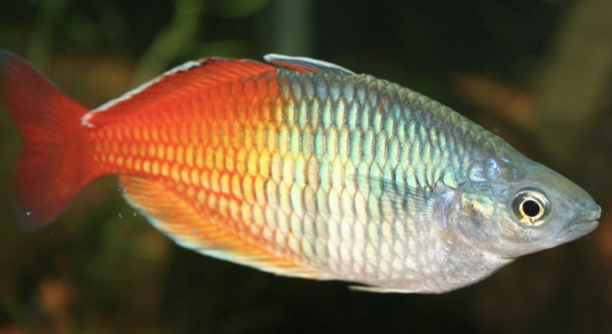
Rainbow fish are vibrant creatures that make a beautiful addition to many aquariums. Their playful nature and colorful scales make them an appealing choice for fish owners. But how do these fish behave when it comes to rest?
Rainbow fish tend to sleep in groups, often forming loose schools during rest periods. They prefer the safety and comfort of being close to one another, offering a sense of security while they sleep.
Understanding why these fish sleep in groups can provide insight into their social behavior. This article will explore how rainbow fish rest and interact during these times.
Why Do Rainbow Fish Sleep in Groups?
Rainbow fish are naturally social creatures, and their sleeping habits reflect this. They don’t seek solitary spaces but rather prefer to rest with others. When in a group, they feel safer and more secure, which is essential for their well-being. The group setting provides protection from potential predators in the wild, as there is safety in numbers. In an aquarium, this instinct is still present, even though there may be no immediate threats. Their tendency to school while resting is a form of comfort that mimics the behaviors they would display in the wild.
They are not the only fish to exhibit this behavior. Many species of fish, including other types of rainbow fish, show a similar preference for staying close together while resting. It’s all about maintaining a sense of community and protecting themselves.
In addition to safety, sleeping in groups also helps regulate their social structure. Being in a group strengthens the bond between them, ensuring that they stay close and engaged with one another, even during rest periods. This group dynamic is essential for creating a balanced environment in the tank, ensuring that the rainbow fish remain content and healthy.
How Do They Sleep in Groups?
Fish sleep in a way that’s different from land animals. Rainbow fish typically rest in a slow, still state but remain aware of their surroundings. They often do not have eyelids, so sleep can appear different than what we expect. They might float in place, positioning themselves near plants or objects for added comfort. While they rest, they remain in a relaxed state but are still capable of responding to movement or changes in the tank environment. This sleep pattern makes it possible for them to stay safe while still gaining the rest they need.
Some rainbow fish might slightly adjust their position in the group, but they tend to remain close to others. They might not be actively interacting but are still very much part of the group. This behavior shows their need for social connection, even during times of rest.
Sleeping in groups doesn’t mean these fish are inactive. Instead, it means they maintain a level of awareness while resting. For rainbow fish, this combination of rest and alertness is crucial for survival in their natural habitats. The need for community and a secure environment is paramount to their well-being. Even in captivity, providing a space where they can rest together, and feel safe, helps keep their stress levels low and their health high. Ensuring your aquarium replicates these conditions can help foster healthier, more active fish.
The Role of Group Sleep in Their Health
Rainbow fish rely on group sleep to reduce stress levels. Being in a group allows them to rest while still feeling secure, which is vital for their overall health. This shared environment helps to create a sense of safety, encouraging them to relax and sleep more peacefully.
In their natural habitat, fish often face threats from predators. Sleeping in groups offers them protection, as they can detect dangers more quickly and swim away together. In an aquarium, these instincts still exist, and rainbow fish will seek the comfort of their companions. By sleeping near others, they also ensure that they feel less isolated, which keeps their stress levels down.
The absence of group sleeping can lead to increased stress for rainbow fish. If they are kept alone or in a less social environment, their mental and physical health could suffer. Social interactions are crucial for their well-being, even when it comes to sleep.
How Group Sleeping Impacts Tank Conditions
Maintaining the right tank conditions can help replicate the ideal group-sleeping environment for rainbow fish. The layout of the tank plays a big role. Rainbow fish prefer areas with plenty of plants or decorations where they can rest together without feeling exposed. Providing hiding spots and secure places ensures they feel safe even while they sleep.
Water quality and temperature also affect their ability to sleep well in groups. If the water is too warm or dirty, they may become restless and less inclined to group together during rest. Regular cleaning and maintaining a stable temperature help create a stress-free environment. This contributes to healthier fish and a more peaceful sleep pattern.
Ensuring that the tank is large enough for them to form a group and move around comfortably is also important. A cramped space can make them feel crowded and stressed, which may disrupt their sleep. Creating a tank layout with open swimming areas and places to hide helps foster natural behavior, including group sleeping.
The Benefits of Group Sleeping for Social Behavior
Sleeping in groups strengthens the social bonds between rainbow fish. When they rest together, they maintain their connection, which encourages group cooperation and reduces aggression. This behavior is essential for creating a harmonious environment in the aquarium. Group sleeping is an important part of their social structure.
The bonds formed during sleep are carried into their active hours. Rainbow fish will school together, swimming and interacting in a coordinated manner. Group sleeping helps reinforce their natural instinct to stay close to one another, which can be beneficial for both their physical and mental health.
Ensuring Proper Tank Setup for Group Sleeping
Providing a spacious tank allows rainbow fish to feel more secure when resting together. A large tank promotes natural swimming patterns and reduces overcrowding, which helps maintain group behavior. It’s important to ensure they have enough room to form a school and feel safe.
The right tank setup promotes peaceful behavior. Plenty of hiding spots and natural decor like plants help mimic their natural habitat, allowing them to rest comfortably together. The more natural the environment, the better the rainbow fish will be able to form strong group bonds.
Maintaining Group Dynamics and Tank Peace
Rainbow fish thrive in peaceful, low-stress environments. Ensuring that your fish are not stressed by environmental factors, such as poor water quality or aggressive tankmates, is key to maintaining their group sleep habits. Fish that feel safe are more likely to rest well and stay close to each other.
FAQ
Do rainbow fish need to sleep in groups?
Rainbow fish naturally prefer sleeping in groups due to their social nature. Being in a group provides them with a sense of security, reducing stress levels. They feel safer when resting together, as it mimics the behavior they would display in the wild. Sleeping in groups helps them maintain their social bonds and ensures they stay mentally and physically healthy.
How do rainbow fish sleep?
Rainbow fish sleep in a relaxed, still state. They don’t close their eyes, as they lack eyelids, but they do slow down and rest. Unlike land animals, they don’t go into deep sleep, but remain somewhat aware of their surroundings. They might stay near plants or objects for protection, resting in a peaceful state while still being alert to movement.
Can rainbow fish sleep alone?
While rainbow fish can technically sleep alone, they are social creatures that prefer being with others. If kept in isolation, they may experience stress and exhibit signs of poor health. It is highly recommended to keep rainbow fish in groups to support their well-being. Keeping them in a school mimics their natural environment, where they feel secure and protected.
What are the signs that my rainbow fish are stressed?
Signs of stress in rainbow fish include erratic swimming patterns, a lack of appetite, or hiding away from other fish. They might also appear lethargic or show faded colors. If their environment isn’t optimal, such as poor water quality, high temperatures, or aggression from other tankmates, these signs may become more noticeable. Regular monitoring and maintaining good water conditions can help reduce stress.
How can I create a good environment for my rainbow fish to sleep in?
To ensure a comfortable sleeping environment for rainbow fish, provide a spacious tank with plants, rocks, or other decorations for hiding spots. These will help them feel safe during rest periods. Maintaining proper water conditions, such as a stable temperature and clean water, also contributes to a low-stress environment, making it easier for the fish to rest and sleep in groups.
What is the ideal tank size for rainbow fish?
Rainbow fish should be kept in a tank that is large enough to allow for free movement and schooling. A 30-gallon tank is often the minimum recommended size for a small group. A larger tank (50 gallons or more) provides more space, reducing overcrowding and promoting natural behavior. The more space they have, the more comfortable they will feel resting and swimming in groups.
Do rainbow fish sleep at night?
Rainbow fish are not strictly nocturnal, but they do rest during periods of low light. They don’t sleep in the same way humans do, but they have periods of reduced activity and rest. They may be more active during dawn and dusk, while their rest periods generally occur during the night when the light is dim. However, they remain alert even while resting.
How often do rainbow fish sleep?
Rainbow fish will rest periodically throughout the day and night, though they don’t sleep continuously. Their rest periods vary depending on their environment and activity level. Generally, they will rest for short periods, but they remain alert enough to respond to changes in their surroundings. They may also take short naps throughout the day in a group, especially during times of low light.
Can I keep rainbow fish with other species?
Rainbow fish are generally peaceful and can be kept with a variety of other species, as long as the tank mates are compatible. It’s important to avoid aggressive or overly territorial species that could disrupt their peaceful nature. Tankmates like tetras, livebearers, and catfish are often good companions for rainbow fish. Be sure to research potential tankmates before introducing them to avoid conflicts.
How can I tell if my rainbow fish are sleeping in groups?
Rainbow fish that are sleeping in groups will often be close together, resting in a relaxed position. They may be positioned near plants or other tank features that offer protection. During their rest, they tend to remain in a group, and you’ll notice that their movements slow down significantly, but they won’t be fully motionless.
Do rainbow fish sleep in the same spot every time?
Rainbow fish don’t always sleep in the exact same spot, but they often choose areas with safety and comfort. They might move slightly within the group, but they prefer to stay close to others. If they find a safe resting spot near plants or decorations, they may return to similar areas, but it’s not a strict routine. Their preference for group sleeping means they will stay close to one another regardless of their exact location.
Is it okay if my rainbow fish don’t sleep in groups?
If your rainbow fish are not sleeping in groups, it may indicate that something is wrong in their environment. Stress, poor water quality, or lack of social interaction could be factors causing them to separate. Rainbow fish feel most comfortable when in a school, so it’s important to check the conditions of the tank and ensure the environment is conducive to social behavior. Keeping them in a group is essential for their well-being.
Final Thoughts
Rainbow fish are social creatures that thrive when they sleep in groups. Their natural behavior is to stay close to others, which helps them feel secure and reduces stress. Whether in the wild or in a home aquarium, they rely on group dynamics to maintain a sense of safety. While they may not need deep sleep like humans, their resting periods are still important for their health. By ensuring they can sleep with their companions, rainbow fish can maintain better overall well-being, both physically and mentally.
Creating the right environment in your aquarium is essential to encourage group sleeping. This includes providing enough space, hiding spots, and good water quality. If you want your rainbow fish to feel comfortable enough to rest together, your tank should offer a peaceful, stress-free space. The layout of your tank is key. Adding plants, rocks, and decorations not only mimics their natural habitat but also gives them places to feel secure. Keeping the water temperature stable and clean is just as important for their health and comfort.
Lastly, rainbow fish can be great additions to community tanks. They are peaceful by nature and interact well with other non-aggressive species. However, it’s important to remember that their social needs must be met. Keeping them in a group, with plenty of room to swim and sleep together, will help them live happier, healthier lives. By paying attention to their sleep habits and environment, you can ensure your rainbow fish remain stress-free and continue to enjoy their active, colorful personalities.

Hello,
If you enjoy the content that we create, please consider saying a "Thank You!" by leaving a tip.
Every little bit helps us continue crafting quality advice that supports the health, happiness, and well-being of pets around the world, for pets of all shapes, sizes, and species.
We really appreciate the kindness and support that you show us!