
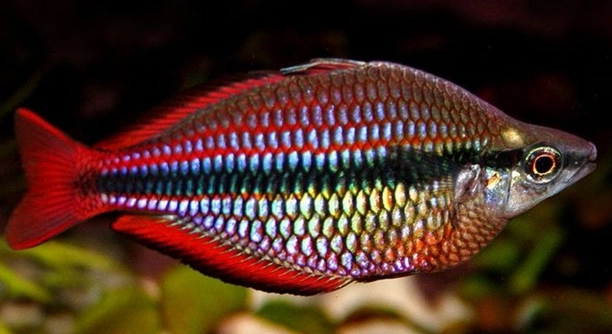
Rainbow fish are popular in home aquariums, often known for their vibrant colors and active nature. If you’ve ever noticed them stirring up the gravel in your tank, you might wonder why they do this. It’s a common behavior, but there’s more to it than meets the eye.
Rainbow fish may rearrange gravel in their tanks due to natural instincts related to feeding and territory. They are known to sift through substrate in search of food, creating small disturbances in the tank.
Understanding the reasons behind this behavior can help you maintain a healthy tank environment. By observing these fish closely, you’ll learn how to accommodate their natural tendencies.
Why Rainbow Fish Rearrange Gravel
Rainbow fish tend to rearrange gravel in aquariums for a few key reasons. Primarily, it’s a natural instinct that’s tied to their search for food. In the wild, these fish often sift through the substrate to find tiny invertebrates or organic material. This instinct doesn’t disappear when they’re in a tank; they will continue to behave similarly, even if there’s no food to find. This behavior can create some disarray in your tank, but it’s completely natural. Rainbow fish are also active swimmers, and their constant movement may disturb the gravel or shift the decoration slightly.
Sometimes, rainbow fish may rearrange the gravel as part of establishing territory. Even though they are peaceful creatures, they still have instincts that tell them to claim a space. If there are multiple rainbow fish in a tank, you might notice that they shuffle the gravel around more frequently, trying to create boundaries within their environment.
Although this behavior is usually harmless, it can affect the overall appearance of your tank. Regular monitoring can ensure that you adjust the substrate or decorations as needed to keep the environment clean.
Feeding Habits and Gravel Shifting
One major reason for gravel shifting in rainbow fish is their feeding behavior. They may stir up the gravel when searching for food that has sunk to the bottom.
While they don’t eat the substrate itself, this action helps them hunt for small particles and food scraps. If there’s a lot of uneaten food in the tank, this behavior may become more pronounced. Adjusting feeding habits or using a more controlled feeding method can help reduce excessive shifting of the gravel.
How to Manage Gravel Shifting in Your Aquarium
If gravel shifting is becoming a problem, there are a few strategies you can try. First, consider adjusting the substrate. A thicker layer of gravel may discourage excessive shifting, giving the fish less room to move it around. Also, ensure the gravel size is appropriate; very fine gravel or sand can be more easily displaced than coarser types. If you have live plants, the roots will help hold the gravel in place, further limiting the movement.
You can also manage gravel shifting by providing alternative spaces for your rainbow fish to explore. Adding decorations, caves, or plants can offer them more places to engage their instincts without disturbing the tank. It’s important to keep your tank environment balanced, ensuring that your rainbow fish have what they need to feel secure while minimizing unwanted disruption to the substrate.
Is Gravel Shifting a Problem for Aquarium Health?
While rainbow fish shifting gravel is normal, it can sometimes impact water quality if not managed properly. The disturbance in the substrate may stir up debris, causing the tank to become cloudy or even impacting filtration systems.
Regular water changes and maintenance are essential to keep things in check. By ensuring your filtration system is strong and monitoring the overall cleanliness of the tank, you can prevent any long-term issues related to substrate disturbance. A well-maintained tank with clean gravel and minimal disruption will help keep your rainbow fish healthy and your aquarium looking its best.
How Gravel Affects Rainbow Fish Behavior
Gravel plays a significant role in how rainbow fish interact with their environment. The texture and size of the gravel can influence how much they disturb it. Coarser gravel is less likely to be shifted around compared to finer gravel, which can be easily moved by active swimmers.
If the gravel is too fine, the rainbow fish may shift it more frequently while searching for food or exploring. This behavior is instinctive, but it can make the tank appear messy. Additionally, fine gravel can make it harder for beneficial bacteria to establish, affecting the overall tank health.
In contrast, larger, coarser gravel will stay in place more effectively, reducing the amount of disruption caused by the fish. The consistency of the substrate will also provide more stable anchorage for plants and decorations, making it easier to maintain the tank’s layout without frequent adjustments.
Choosing the Right Gravel for Your Tank
When selecting gravel, consider the type of environment you want to create for your rainbow fish. If you prefer a stable tank setup, choose gravel that is larger in size. This will help prevent excessive shifting and give your fish a more predictable space to explore.
If you enjoy a more natural look with plants and decorations, fine gravel may be necessary, but it will require more maintenance. You may need to clean the tank more often, as fine gravel tends to shift easily, especially with the movement of active fish. Balancing aesthetics and practicality is key when selecting gravel for your aquarium setup.
If you want a more natural-feeling environment without dealing with too much gravel movement, consider a mixture of fine and coarse gravel. This creates a balance between aesthetic appeal and practicality, allowing your rainbow fish to engage with the environment while keeping the tank’s appearance intact.
Impact of Gravel Shifting on Tank Maintenance
Frequent gravel shifting can make tank maintenance a bit more time-consuming. As rainbow fish disturb the substrate, debris and uneaten food can get buried, causing a build-up of waste. This can lead to cloudy water or even affect water quality if not properly addressed.
Regular cleaning becomes more important in tanks where gravel shifting occurs frequently. You’ll need to vacuum the substrate more often to prevent waste accumulation. Installing a strong filtration system will also help maintain water clarity, but manual maintenance is still necessary to keep the tank looking its best.
Maintaining water quality in a tank with active gravel-shifting fish requires attention to detail. Ensure proper water changes, filtration, and substrate cleaning to maintain a healthy environment.
How Gravel Shifting Affects Plants
When rainbow fish disturb the gravel, it can affect the stability of live plants. The movement can uproot delicate roots, making it difficult for plants to thrive.
To prevent this, consider using larger gravel or adding a substrate layer specifically designed for plant growth. This will help anchor plants while still accommodating the fish’s natural behaviors.
Adding Tank Decorations to Prevent Shifting
Decorations such as rocks, caves, and plants can help reduce the amount of gravel shifting. These elements provide hiding places and territories for your rainbow fish, allowing them to feel more secure.
By offering more exploration areas within the tank, the fish are less likely to disturb the substrate. This also keeps the environment visually appealing and more stable for both the fish and the plants.
FAQ
Do rainbow fish need gravel in their tank?
Rainbow fish don’t specifically need gravel, but it can be beneficial for their tank environment. Gravel helps maintain stable water conditions, provides a place for beneficial bacteria to grow, and gives the fish something to interact with. If you prefer to use a substrate, gravel is a good option, though fine sand or plant-friendly substrates are also viable choices depending on your tank’s needs.
Can rainbow fish live in tanks with no gravel?
Yes, rainbow fish can live in tanks without gravel. Many aquariums use bare-bottom tanks, where the bottom is left without any substrate. This setup is easier to clean and allows for easier monitoring of water quality. However, in these tanks, you may need to pay extra attention to food waste and keep a regular cleaning schedule.
How often should I clean the gravel in my tank?
The gravel in your tank should be cleaned at least once a week, especially if you have active fish like rainbow fish that stir up the substrate. Gravel vacuums work well for this task, as they can help remove debris and food scraps trapped in the gravel without disturbing the fish too much. Regular cleaning prevents waste from accumulating and affecting water quality.
Why do rainbow fish dig in the gravel?
Rainbow fish dig in the gravel primarily due to their natural instincts. They search for food particles, organic matter, or even tiny invertebrates that may have fallen to the bottom of the tank. This behavior mimics what they would do in the wild, where they sift through the substrate for food. It’s normal, but it can cause some shifting and disorganization in the tank.
Is it safe for my rainbow fish to rearrange the gravel?
Generally, yes, it is safe for your rainbow fish to rearrange the gravel. It’s a natural behavior and doesn’t harm the fish. However, excessive shifting may cause disturbances in the tank, including the uprooting of plants or the dislodging of decorations. It can also stir up debris that may impact water quality, so it’s important to monitor your tank’s condition.
Can gravel shifting harm the plants in my tank?
Yes, gravel shifting can harm plants, especially those with delicate roots. If rainbow fish are moving the gravel around frequently, they may uproot plants, preventing them from growing properly. To minimize this, you can use larger gravel or add a layer of substrate specifically designed to hold plants in place while still allowing your fish to dig around.
What type of gravel is best for rainbow fish?
Coarse or medium-sized gravel is best for rainbow fish. It’s less likely to be moved around by the fish’s natural digging behavior, and it also provides enough space for water to flow through, preventing waste build-up. If you have live plants, a mix of fine and coarse gravel can be helpful, as it will support both plant growth and the fish’s behavior.
Can I use sand instead of gravel for my rainbow fish tank?
Yes, you can use sand in your rainbow fish tank, but it requires more care. Fine sand can be moved easily by the fish, and it may cause the tank to become cloudy more quickly. If you opt for sand, make sure it’s not too fine, as it can create pockets of stagnant water where waste accumulates. Some fish also prefer sand, as it mimics their natural habitat more closely.
Do I need to change the gravel in my aquarium?
While gravel itself doesn’t need to be replaced frequently, it’s important to clean it regularly. Over time, debris can accumulate within the gravel, impacting water quality. If the gravel is heavily compacted or starts affecting water flow, it may be time to replace it or at least clean it more thoroughly. Generally, gravel should last for a long time as long as it’s maintained.
How can I stop my rainbow fish from digging up the plants?
To prevent rainbow fish from digging up plants, you can use a combination of strategies. First, choose gravel that is heavier and less prone to shifting. Second, anchor your plants securely by using plant weights or planting them deeply within the substrate. You can also place decorations or rocks around the plants to discourage digging.
Is it okay to have live plants in a tank with rainbow fish?
Yes, rainbow fish can live with plants, and many aquarists enjoy having plants in their tanks alongside these colorful fish. However, keep in mind that rainbow fish may occasionally disturb the plants by digging around or moving the gravel. Choosing hardier plants and securing them well in the substrate will help ensure they thrive in the tank.
Final Thoughts
Rainbow fish are lively, active creatures that often interact with their environment in various ways. Their natural behavior of rearranging gravel in the tank is perfectly normal, even though it can sometimes cause a bit of disruption. This behavior is instinctive, and it stems from their need to search for food and explore their surroundings. While it might make the tank look messy or cause some plants to be uprooted, it is important to remember that these actions are simply a part of how rainbow fish live and engage with their habitat.
When it comes to managing gravel shifting, it’s essential to find a balance between accommodating the rainbow fish’s natural instincts and keeping the tank clean and organized. Choosing the right type of substrate, such as coarser gravel, can help minimize excessive disruption. You can also consider adding decorations or plants that are anchored securely to reduce the likelihood of the fish digging up the gravel too much. Keeping a regular cleaning routine, especially when dealing with gravel that gets shifted often, will help maintain water quality and ensure a healthy environment for your fish.
Ultimately, the key to managing rainbow fish and their gravel-shifting habits lies in understanding their behavior and making adjustments that work for both the fish and your tank. While gravel shifting may seem like a hassle at times, it doesn’t pose a major issue as long as you stay on top of tank maintenance. With the right substrate, proper cleaning, and some thoughtful planning, you can keep both your rainbow fish and your aquarium happy and healthy.

Hello,
If you enjoy the content that we create, please consider saying a "Thank You!" by leaving a tip.
Every little bit helps us continue crafting quality advice that supports the health, happiness, and well-being of pets around the world, for pets of all shapes, sizes, and species.
We really appreciate the kindness and support that you show us!