
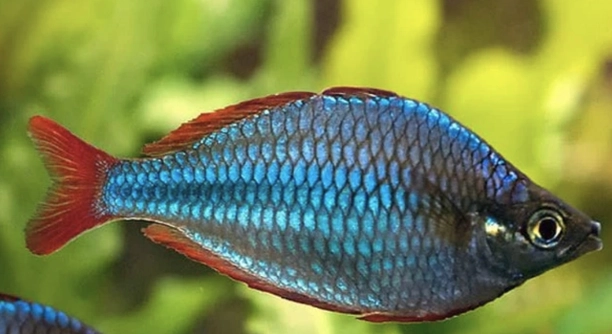
Rainbow fish are known for their bright colors and active nature. While many wonder if they enjoy playing, their behavior often suggests curiosity and engagement with their environment. This article explores their activities and surprising traits.
Rainbow fish do not play in the traditional sense, but they display behaviors that resemble playfulness, such as interacting with objects, exploring their habitat, and swimming energetically. Their active nature indicates curiosity, though it may not equate to playful behavior.
Their vibrant movements and curious tendencies might surprise you as we uncover the fascinating aspects of their behavior.
Understanding the Natural Behavior of Rainbow Fish
Rainbow fish are naturally active swimmers. They constantly move around their environment, interacting with plants, rocks, and tank mates. This behavior is part of their instincts, driven by the need for food and shelter. They are social creatures and often swim in schools, which is a natural instinct for safety and companionship.
Their constant movement is often mistaken for play. However, these activities are mainly related to survival instincts such as foraging, avoiding predators, or simply keeping their territory clear. They are also curious, always exploring new objects and areas in their space. This curiosity may give the impression of play, but it’s essential to differentiate between natural behavior and true playfulness.
Rainbow fish require an enriched environment to thrive. While they may not play in the way some mammals do, they still benefit from a tank that includes plants, hiding spots, and varying water conditions. This helps keep them active and engaged, promoting a healthy and stimulating environment.
Do Rainbow Fish Show Affection?
Rainbow fish are not known for bonding with humans in the same way that some pets might. They do not seek out human interaction, but they may become accustomed to their owners’ presence. Over time, they can even recognize their caregivers, especially when they associate feeding time with a person. This recognition often leads to more active and curious behavior around feeding time.
These fish, however, do not display affection as humans typically understand it. Their interactions with humans are largely motivated by food or environmental changes, not by emotional attachment. While they do not form relationships, their social behavior with other fish in their tank can be quite dynamic.
Their behaviors within the tank can still be fascinating. Although their connections to humans are minimal, their interaction with fellow rainbow fish offers insights into their social structure. They establish territories, engage in mating rituals, and often form schools to protect each other. Understanding these natural behaviors allows us to appreciate their complexity and individuality.
How to Keep Rainbow Fish Engaged
Rainbow fish enjoy an environment rich in stimulation. They are naturally curious and need space to swim freely. A tank with plants, rocks, and hiding spots will help keep them active. Adding objects like aquarium ornaments or gentle water flow mimics their natural habitat.
This kind of enrichment can prevent boredom and ensure they stay healthy. Rainbow fish are most active when they have room to explore. A lack of stimulation can lead to stress, which affects their well-being. Ensuring their tank has a variety of elements will make them feel at ease, encouraging more natural behaviors.
Providing a consistent routine is equally important. Regular feeding schedules and appropriate tank maintenance help create a stable environment. By keeping the water clean and consistent in temperature, you prevent illness and allow your rainbow fish to thrive. Keeping their environment varied and stable makes it easier for them to engage in their usual activities.
The Ideal Tank Setup for Rainbow Fish
The ideal tank for rainbow fish should be at least 30 gallons, offering enough space for them to swim. A well-maintained aquarium with live plants, gentle filtration, and stable water conditions will help mimic their natural environment. They also prefer slightly acidic to neutral water.
To maintain a healthy tank, you should include a variety of plants and rocks. This setup gives rainbow fish the opportunity to explore and hide, mirroring the aquatic ecosystems they come from. The water should be kept at a temperature between 72-79°F, which is ideal for their comfort and activity level. Proper filtration helps keep the water clean, while a lid or canopy ensures the fish stay secure and the water level remains stable.
Lighting should be moderate. Too much light can stress out rainbow fish, while too little can hinder plant growth. You may also need to add aeration to provide more oxygen. Regular water changes, roughly 25% each week, will keep the environment stable and healthy for your fish.
Rainbow Fish Tankmates
Rainbow fish are peaceful creatures and can live alongside a variety of other species. However, they prefer tankmates that are similar in size and temperament. Aggressive or overly large fish can stress them out. Smaller, non-aggressive fish such as tetras or guppies work well.
When choosing tankmates, always consider the swimming habits of other species. Rainbow fish are active swimmers and require enough space to move around. Avoid keeping them with slow-moving fish that may not be able to compete for food or space. Also, ensure that all tankmates share similar water condition requirements for harmony.
Feeding Rainbow Fish
Rainbow fish are not picky eaters. They accept a variety of foods, including flakes, pellets, and frozen or live foods. A balanced diet that includes both plant-based and protein-rich foods is ideal. This variety ensures they get the necessary nutrients for optimal health.
Feeding them a mix of foods helps mimic the diversity of their natural diet, which consists of small invertebrates, algae, and plants. To prevent overfeeding, offer only what they can consume within a few minutes. Excess food left in the tank can affect water quality and stress the fish.
Rainbow Fish Breeding
Breeding rainbow fish requires specific conditions. To encourage breeding, maintain water temperature around 75°F, and ensure that the water is soft to moderately hard with a pH of 6.5-7.5. These conditions will stimulate breeding behavior.
If you’re trying to breed them, provide plenty of plants or spawning mops where the females can lay their eggs. Rainbow fish scatter their eggs in plants, and it’s essential to remove any adult fish after spawning to protect the eggs from being eaten. Once the eggs hatch, the fry will need to be fed with infusoria or powdered food until they grow large enough for more substantial offerings.
FAQ
Do rainbow fish like to live in groups?
Yes, rainbow fish are social creatures and prefer to live in schools. Keeping them in groups of at least five or more will help them feel secure and reduce stress. They tend to swim together, which is a behavior driven by their natural instinct to protect themselves from predators. When kept alone or in pairs, rainbow fish can become skittish and anxious, leading to health issues. A well-maintained group will help them exhibit more natural behavior, including active swimming and feeding.
What size tank do rainbow fish need?
Rainbow fish require a tank that is at least 30 gallons in size. This gives them enough space to swim freely and establish territories if needed. The tank should also have plenty of hiding spots, such as plants and rocks, to mimic their natural habitat. Overcrowding can lead to stress, so it’s important not to exceed the recommended number of fish for the tank size. A larger tank will allow them to thrive, offering more room for them to exhibit natural behaviors.
Can rainbow fish live with other species?
Yes, rainbow fish are peaceful and can live with many other species, as long as they are not overly aggressive. Ideal tankmates include tetras, danios, and peaceful catfish. It is essential to avoid species that are larger, more aggressive, or overly territorial. Rainbow fish thrive best with other calm, community-oriented fish. Keep in mind that rainbow fish are active swimmers, so choosing tankmates that can coexist without competing for space or food is crucial.
What do rainbow fish eat?
Rainbow fish have a varied diet, which makes them easy to care for. They will eat flakes, pellets, and live or frozen food such as brine shrimp, daphnia, and bloodworms. A balanced diet should include both plant-based foods like spirulina and protein-rich foods to maintain their health. Offering a variety of foods ensures they receive the necessary nutrients for growth, coloration, and overall well-being. Be careful not to overfeed, as leftover food can affect water quality.
Do rainbow fish need special water conditions?
Rainbow fish prefer water that is slightly acidic to neutral, with a pH range between 6.5 and 7.5. They thrive in water temperatures between 72-79°F. The water should be soft to moderately hard, as this replicates the conditions of their natural habitats in rivers and streams. Regular water changes are important to maintain a stable environment. Keeping the water clean and consistent in terms of temperature, pH, and hardness will help rainbow fish remain healthy and active.
How often should I feed my rainbow fish?
Rainbow fish should be fed once or twice a day, offering only what they can consume in a few minutes. It’s important not to overfeed, as excess food can degrade water quality and lead to health problems. You can offer them a variety of foods, including flakes, pellets, and frozen or live options like brine shrimp or bloodworms. Be sure to monitor their feeding habits and adjust the amount accordingly to prevent uneaten food from polluting the tank.
Do rainbow fish need a filter?
Yes, rainbow fish require a filter to keep the water clean and maintain the necessary oxygen levels in the tank. A good filtration system helps remove waste, uneaten food, and harmful toxins, keeping the water quality high. However, the filter should not create strong currents, as rainbow fish prefer calm to moderate water movement. A filter with adjustable flow is ideal to avoid stressing the fish. Regular maintenance of the filter is also important to keep it functioning properly.
How do I know if my rainbow fish is sick?
Rainbow fish show signs of illness through changes in behavior, appearance, and eating habits. If your fish becomes lethargic, stops eating, or develops abnormal coloration, it may be sick. Other signs include fin clamping, swollen eyes, or abnormal growths on the body. It’s important to observe their behavior regularly and take action if you notice any changes. Isolating the sick fish in a quarantine tank can help prevent the spread of disease. Make sure to check water conditions as poor water quality can also cause illness.
Can rainbow fish breed in a home aquarium?
Yes, rainbow fish can breed in a home aquarium if the conditions are right. To encourage breeding, maintain water temperature at around 75°F, and provide plenty of plants or spawning mops where females can lay their eggs. Rainbow fish lay eggs that hatch in a few days, and the fry will need infusoria or finely crushed food to feed on until they are large enough for more substantial offerings. It’s important to remove adult fish after spawning to protect the eggs and fry.
Why are my rainbow fish losing color?
Rainbow fish may lose their vibrant colors for several reasons. Poor water quality, stress, or illness can cause dullness in their colors. Lack of proper nutrition, especially a diet low in plant-based food like spirulina, can also affect their coloration. Additionally, environmental factors such as overcrowding, incompatible tankmates, or unsuitable water conditions can lead to fading colors. To improve their color, ensure they are in a well-maintained tank, receive a varied diet, and are not stressed by their environment or tankmates.
Do rainbow fish jump out of the tank?
Rainbow fish are known to occasionally jump, especially if they feel threatened or if the water conditions are unsuitable. They may also jump if the tank lid is not secure. To prevent this, make sure the tank has a secure lid or cover. It’s also helpful to maintain stable water conditions and reduce any sources of stress, as a calm environment will discourage jumping. Keeping the water level at a reasonable height can also prevent them from leaping out.
Final Thoughts
Rainbow fish are vibrant, peaceful creatures that can bring a lot of life to any aquarium. They are relatively easy to care for, making them a great choice for both beginners and experienced aquarium keepers. Their playful nature and striking colors make them a popular addition to community tanks. They get along well with many other species, especially smaller, peaceful fish, which makes them an excellent choice for those who want a diverse and harmonious tank.
Proper care for rainbow fish requires attention to their water quality, diet, and social needs. Maintaining a stable environment with the right water temperature, pH, and hardness is essential to their health. Rainbow fish are not particularly picky eaters, but they thrive on a balanced diet that includes both plant-based and protein-rich foods. Feeding them the right amount and ensuring they are not overcrowded in the tank will keep them active and healthy. Regular water changes and filtration are also crucial to maintaining their well-being.
Breeding rainbow fish can be a rewarding experience, but it requires the right conditions. By providing a suitable environment with plenty of plants for egg-laying and a stable water temperature, you can encourage breeding behavior. With patience and care, you can watch these colorful fish grow and thrive in your aquarium. Overall, rainbow fish are a fantastic choice for anyone looking to add beauty and vibrancy to their tank, offering a rewarding experience for both new and seasoned aquarists.

Hello,
If you enjoy the content that we create, please consider saying a "Thank You!" by leaving a tip.
Every little bit helps us continue crafting quality advice that supports the health, happiness, and well-being of pets around the world, for pets of all shapes, sizes, and species.
We really appreciate the kindness and support that you show us!