
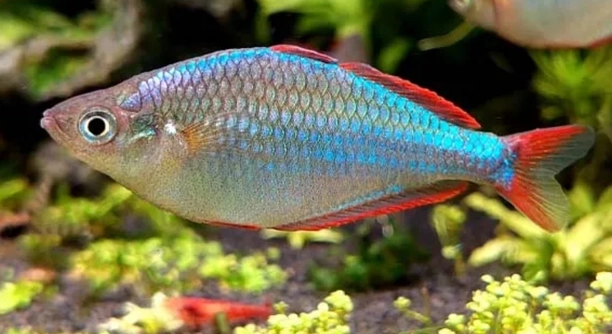
Rainbow fish are known for their vibrant colors and active nature. They are often admired in aquariums for their beauty, but there are certain behaviors and preferences that may affect how they react to human touch.
Rainbow fish generally do not enjoy being touched. Their sensitive skin and natural instincts make them more likely to swim away when approached. They may tolerate brief contact in some cases, but physical interaction can cause stress and disrupt their behavior.
Understanding the behavior of rainbow fish is key to maintaining their well-being.
Why Rainbow Fish Don’t Like to Be Touched
Rainbow fish have a natural instinct to avoid anything that may threaten their safety. In the wild, they are often preyed upon by larger animals, so they are highly sensitive to movements in their environment. When a person reaches into their tank, the sudden motion can trigger a fear response, causing them to swim away or hide. Their thin, delicate skin also makes them more vulnerable to physical damage, which can result in stress or injury if touched.
In an aquarium setting, their behavior can be influenced by water quality, tank size, and the presence of other fish. The more stressful their environment, the more they will avoid human interaction. In fact, if they feel constantly threatened, they may become more skittish, making it harder to establish trust with their owners.
Respecting the fish’s space and understanding their natural instincts is essential for creating a healthy environment for them. While they may grow accustomed to human presence over time, physical interaction should still be minimized to avoid causing stress.
How Touching Can Impact Their Health
When rainbow fish are touched, it can lead to physical harm or stress. The skin of the fish is covered in a layer of mucus that serves as protection from parasites and bacteria. Frequent touching can damage this protective layer, leaving the fish more vulnerable to illness.
Even without visible damage, the stress caused by physical contact can weaken their immune system. Long-term stress can lead to reduced lifespan and a decrease in overall health. It’s important to handle the tank with care and only interact with the fish when necessary, such as during feeding or cleaning, to keep their stress levels low.
How to Create a Stress-Free Environment for Rainbow Fish
Rainbow fish thrive in calm and stable environments. Ensuring proper tank conditions is essential for their well-being. The water temperature should be consistent, with a range of 72-80°F. Filtration must be efficient to maintain clean water, and water changes should be done regularly to prevent toxins from building up.
Another key factor is tank size. Rainbow fish need plenty of space to swim, so a larger tank with adequate swimming room is ideal. Adding plants and decorations can provide hiding spots, which help reduce stress. Ensuring a peaceful atmosphere with minimal disturbances from outside the tank can also help them feel safe.
Fish may also feel more comfortable if they have tank mates of similar size and temperament. Avoid overly aggressive fish, which may cause anxiety or stress in rainbow fish. A balanced ecosystem is crucial for their health and happiness.
How to Interact with Your Rainbow Fish
Even though rainbow fish don’t like being touched, you can still interact with them in ways that don’t cause stress. The most effective way to bond with your fish is by providing consistent, gentle care. Feed them regularly with high-quality fish food, and ensure they have a varied diet to maintain their health.
You can also train your fish to recognize you. Over time, rainbow fish can learn to associate you with food, making them more comfortable with your presence. They might swim closer to the surface when they see you approaching the tank, which is a sign of trust.
While they may not seek physical contact, rainbow fish can form a level of comfort with their owners over time. Simply sitting by the tank and observing them helps create a peaceful environment that benefits their health.
Signs of Stress in Rainbow Fish
Rainbow fish show clear signs when they are stressed. One of the first indicators is erratic swimming or hiding more frequently. They may also exhibit a loss of color or appear lethargic. These are all signs that the fish feel threatened or uncomfortable in their environment.
Excessive hiding, avoiding food, or constantly darting around the tank are other signs that something isn’t right. A stressed fish may also show physical symptoms such as clamped fins or lesions on the skin. It’s important to address the root cause of stress quickly to prevent long-term health issues.
How to Improve Water Quality for Rainbow Fish
Maintaining clean water is vital for rainbow fish. Regular water changes help keep toxins and waste levels low. A good filtration system is essential to keep the water circulating and free of harmful substances. Be sure to test the water regularly to check parameters like pH, ammonia, and nitrate levels.
In addition to keeping the water clean, consider using a water conditioner to neutralize chlorine and other chemicals. This will ensure the water is safe for the fish. Ensuring the water is at the correct temperature, around 72-80°F, helps maintain the health of the fish and minimizes stress.
Tank Maintenance Tips
Consistent tank maintenance is necessary to provide a stable environment for rainbow fish. Cleaning the tank regularly will reduce algae buildup and prevent the water from becoming cloudy. It’s important to clean the substrate and remove any uneaten food to maintain water quality.
Additionally, check your filtration system periodically to ensure it is functioning properly. A good filtration system helps maintain water clarity and prevents the buildup of harmful bacteria. Regular maintenance is key to creating a healthy environment where your rainbow fish can thrive without the risk of stress.
FAQ
Do rainbow fish like other fish in their tank?
Rainbow fish generally get along well with other peaceful species. They prefer living in schools, so adding other rainbow fish or similarly peaceful fish will make them feel more comfortable. However, aggressive or overly large fish should be avoided, as they may intimidate the rainbow fish and cause stress. It’s important to consider the temperament and size of tank mates before introducing them into the aquarium.
How often should I feed my rainbow fish?
Rainbow fish should be fed once or twice a day. Overfeeding can lead to poor water quality, so it’s best to give only as much food as the fish can consume within a few minutes. A varied diet, including high-quality flakes, pellets, and live or frozen foods like brine shrimp or daphnia, ensures your fish remain healthy. Always remove uneaten food to prevent water contamination.
What is the best tank size for rainbow fish?
A minimum tank size of 30 gallons is recommended for a small school of rainbow fish. Larger tanks provide more space for swimming and better water quality, both of which are crucial for their health. Rainbow fish are active swimmers and appreciate having room to move around freely. In smaller tanks, water parameters can fluctuate more quickly, which can cause stress for the fish.
How can I tell if my rainbow fish is sick?
Sick rainbow fish may exhibit several signs such as loss of color, lethargy, difficulty swimming, or hiding more than usual. Look for physical changes such as sores, lesions, clamped fins, or abnormal swelling. A decrease in appetite is another common sign of illness. If you notice any of these symptoms, it’s important to assess water quality and consult a veterinarian who specializes in fish.
Can rainbow fish live with bettas?
It’s not ideal to keep rainbow fish with bettas. Bettas are often aggressive, especially towards other males, and may view the rainbow fish as a threat. While some rainbow fish are peaceful, their active swimming may provoke the betta, leading to stress or even injury. If you decide to house both species together, make sure the tank is large enough to provide plenty of space and hiding spots for each fish.
What temperature is best for rainbow fish?
Rainbow fish prefer a water temperature between 72-80°F. Consistent temperatures within this range help keep them healthy and active. Temperatures that are too high or too low can stress the fish and weaken their immune system, making them more susceptible to disease. Use a reliable aquarium heater and thermometer to maintain a stable environment.
Do rainbow fish need a filter?
Yes, rainbow fish require a filter to maintain clean, oxygenated water. A good filtration system helps remove waste, debris, and excess food from the tank, which are all crucial for maintaining water quality. Without proper filtration, harmful toxins like ammonia and nitrites can build up, leading to poor health for your fish. Ensure the filter is appropriately sized for your tank.
Can rainbow fish live in cold water?
Rainbow fish are tropical species and cannot survive in cold water. They need a warm environment to thrive, with temperatures ranging from 72-80°F. If the water is too cold, rainbow fish will become stressed, and their immune systems will weaken, making them more susceptible to illness. Always ensure your tank is heated appropriately.
How long do rainbow fish live?
Rainbow fish typically live for 5 to 8 years, although some can live even longer with proper care. Factors such as water quality, diet, and tank conditions can affect their lifespan. Keeping the tank clean, providing a balanced diet, and maintaining a stress-free environment will help extend their lives and ensure they remain healthy.
Why are my rainbow fish losing color?
If your rainbow fish is losing color, it could be a sign of stress, illness, or poor water quality. Stress factors such as aggressive tank mates, changes in water parameters, or overcrowding can cause color loss. Additionally, poor diet and lack of proper nutrients may result in dull or faded colors. Check your water quality and ensure that the fish are receiving a balanced diet to help restore their vibrancy.
Can rainbow fish jump out of the tank?
Rainbow fish can jump, especially if the water surface is too close to the tank lid. A lid or cover is highly recommended to prevent them from jumping out. Make sure the tank has no gaps or holes, as rainbow fish are curious and may attempt to leap out if they feel confined or stressed.
Final Thoughts
Rainbow fish are beautiful, peaceful creatures that make a wonderful addition to any aquarium. They are relatively easy to care for when their basic needs are met, such as proper water quality, temperature, and space. Providing them with a well-maintained tank will help them thrive and stay healthy for many years. While they are not particularly fond of being touched, rainbow fish can still form a sense of comfort with their owners through consistent care and interaction. They may recognize their owners over time, especially when associated with feeding, but physical contact should always be avoided.
Creating a stress-free environment is crucial for the well-being of rainbow fish. Ensuring that the water conditions are stable and free of harmful substances is the first step. The tank should be large enough to allow the fish to swim freely, and it’s important to maintain a peaceful atmosphere by avoiding aggressive tank mates. Regular water changes, the use of a proper filtration system, and proper feeding habits will all contribute to a thriving tank. By meeting these basic requirements, you’ll not only help rainbow fish live longer but also enhance their vibrant colors and active behavior.
Understanding the behavior and needs of your rainbow fish will make the experience of caring for them much more rewarding. While they do not seek out physical touch, their social and curious nature makes them fascinating to watch. By paying attention to their signs of stress and ensuring a healthy tank environment, you can enjoy the beauty and activity they bring to your aquarium. With a little effort, rainbow fish can live long, happy lives and continue to brighten up your space.

Hello,
If you enjoy the content that we create, please consider saying a "Thank You!" by leaving a tip.
Every little bit helps us continue crafting quality advice that supports the health, happiness, and well-being of pets around the world, for pets of all shapes, sizes, and species.
We really appreciate the kindness and support that you show us!