
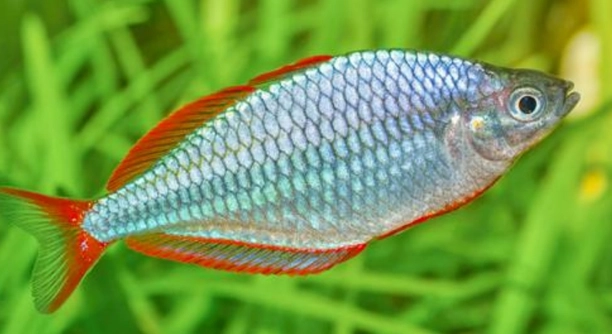
Many people enjoy experimenting with different activities to enrich their pets’ lives. One common question is whether fish, particularly rainbow fish, are affected by music. This article explores that very topic to uncover the truth.
Studies have shown that fish, including rainbow fish, are sensitive to sound, but there is no definitive evidence that they “like” music in the same way humans do. Fish may react to vibrations, but their responses are more instinctual than emotional.
It turns out there are some interesting findings on how sound influences fish behavior. We’ll explore the different types of sounds that might impact your rainbow fish, and what that could mean for their environment.
Do Rainbow Fish React to Sound?
Rainbow fish are known for their vibrant colors and calm demeanor, but they may not be as indifferent to their surroundings as we think. Fish have a finely tuned sense of hearing that allows them to detect vibrations in the water. These vibrations can come from various sources, including movements in the tank, the sounds from nearby equipment, or even external noises. However, fish hear differently than humans, so their reaction to sound is not the same. Their primary response is to detect vibrations, which help them avoid predators or navigate their environment.
Sound waves travel through water more efficiently than air, so fish are sensitive to even slight shifts in their environment. While humans might enjoy soothing melodies, rainbow fish likely perceive sound as a disturbance, not as a source of enjoyment. Their reaction could be stress-related, especially if the noise is loud or constant.
Fish have specialized hearing structures called the “lateral line,” which helps them sense vibrations in the water. This organ is finely tuned to detect the pressure changes caused by movement, allowing the fish to interpret the environment around them. Despite this ability to detect sound, there is limited evidence to suggest that fish experience emotions in response to music as humans do.
Types of Sounds and Their Impact
The sounds we generate around fish tanks could have various effects. Some noises might cause stress, while others might go unnoticed. It’s essential to be mindful of the environment you’re creating for your fish, as constant loud sounds can be disruptive. Fish tanks should be placed in quiet areas, away from constant loud noise.
When exposed to music, fish may swim more erratically, or in some cases, they might appear calm. This suggests that while they react to the sound, their behavior is likely more instinctive than emotional. Research into sound exposure has also shown that different fish species react in diverse ways, so it’s possible that the rainbow fish’s behavior might differ from other fish types. Keeping the noise levels in check is crucial to prevent unnecessary stress on your fish. In conclusion, while rainbow fish are capable of detecting sound, the music itself doesn’t necessarily have a positive or negative effect. Instead, the volume and consistency of the noise will play a more significant role in their overall well-being.
How Loud Noises Affect Rainbow Fish
Loud noises can significantly impact rainbow fish. Sounds from loudspeakers, vacuum cleaners, or even nearby conversations can create vibrations that disrupt their environment. Fish may not interpret these sounds as music, and the constant disturbance can cause stress.
Fish are sensitive to vibrations, and loud noises are often perceived as potential threats. When exposed to constant noise, rainbow fish may exhibit signs of distress, such as erratic swimming or hiding. Unlike other pets, fish can’t escape to a quiet corner when disturbed, so they have to cope with the continuous vibrations. This can weaken their immune system and affect their overall health.
Aquarium equipment like filters or air pumps can also create vibrations, but these sounds are typically constant and less disruptive than sudden, sharp noises. Rainbow fish can adapt to these background sounds over time, but unpredictable loud noises might cause anxiety, making it crucial to maintain a quiet tank environment.
Does Music Calm Rainbow Fish?
It’s tempting to think that music might calm rainbow fish, but the evidence is limited. While humans often find music relaxing, fish react differently. Their primary concern is the vibration caused by sound rather than the rhythm or melody.
Fish don’t seem to process music the way humans do. Their hearing is more focused on picking up vibrations for survival purposes. In some cases, rainbow fish may appear calmer or swim in a more relaxed pattern in response to soothing, low-frequency sounds. However, they don’t seem to enjoy music in the same way we do. If you choose to play music around your fish tank, keeping it at a low volume is recommended. Loud sounds or harsh music can cause the fish stress.
Do Fish React to High-Pitched Sounds?
Rainbow fish are more likely to react to low-frequency sounds rather than high-pitched ones. High-pitched noises don’t travel well through water and may go unnoticed by fish. Vibrations caused by low-frequency sounds are more easily detected.
High-pitched sounds may not affect rainbow fish as much, but this doesn’t mean that all sounds are harmless. The vibrations from these sounds might still disturb them, though they are less likely to feel threatened or stressed compared to lower-frequency noises.
Can Rainbow Fish Adapt to Noise?
Rainbow fish can become accustomed to consistent, low-level noise, such as the hum from an aquarium filter. Over time, they learn to ignore these vibrations as part of their environment. However, sudden loud noises can still startle them.
The more consistent the noise, the more likely the fish will adapt to it. This is why maintaining a steady noise level is important for aquarium health. Even though they can adapt, it’s crucial not to overwhelm them with sharp or unpredictable sounds.
FAQ
Do rainbow fish enjoy music?
Rainbow fish do not enjoy music the way humans do. Their sense of hearing is different, and they primarily respond to vibrations rather than melodies. While they can detect sound waves in the water, they don’t appear to have any emotional reaction to music. Instead, the vibrations from sound, particularly low-frequency noises, may be noticed. If the music is too loud or sudden, it could cause them stress, but soft and steady sounds may be tolerated. Overall, rainbow fish are more concerned with environmental factors like water quality and temperature than music.
Can fish hear high-pitched sounds?
Fish can hear high-pitched sounds, but they don’t react to them as we might expect. Fish are much more attuned to low-frequency vibrations because these travel better through water. High-pitched sounds tend to have less impact on them since the sound waves don’t travel as efficiently through water. Therefore, while fish can technically hear high-pitched noises, these sounds are less likely to disrupt their behavior or cause them any stress. Low-frequency vibrations from pumps or filters are more easily perceived and may affect their behavior.
Do loud noises stress out rainbow fish?
Yes, loud noises can stress out rainbow fish. Fish are very sensitive to vibrations, and loud sounds in their environment can cause anxiety or confusion. Sudden loud noises, like a loud bang or someone yelling near the tank, can startle fish, causing them to swim erratically or hide. Prolonged exposure to loud noises can weaken their immune systems and lead to health problems. It’s best to keep the tank in a quiet, peaceful area where loud sounds won’t constantly disrupt the fish. Gentle and steady background noise, such as the hum of a filter, is usually well tolerated.
Can rainbow fish become accustomed to noise over time?
Yes, rainbow fish can get used to certain noises over time. If a consistent sound is present, like the hum of an aquarium filter or pump, fish may become accustomed to it. Their environment is usually filled with some level of noise, and as long as it’s not loud or jarring, they can adapt. However, sudden changes in sound or sharp, unpredictable noises can still cause stress. It’s important to maintain a stable environment with minimal disturbance to help rainbow fish feel secure in their tank.
Does playing music near the fish tank affect their behavior?
Playing music near a fish tank may have a minor effect on rainbow fish, but it’s not likely to “calm” them in the way it might calm a human. Music, especially if it’s soft and played at a low volume, may not be noticeable to the fish, and they may carry on with their normal behaviors. However, loud or abrupt music could cause them to react, potentially swimming erratically or hiding. If you enjoy music, it’s best to keep it at a moderate volume and observe how your fish respond. Every fish is different, and some may be more sensitive than others.
How do fish react to vibrations in the water?
Fish are highly sensitive to vibrations in the water. The lateral line, a sensory organ, allows them to detect even small changes in pressure. These vibrations can help fish sense the presence of predators or other fish nearby. When exposed to vibrations from loud sounds, fish may display behaviors such as erratic swimming, hiding, or being generally more alert. Constant or heavy vibrations might lead to stress or even physical harm in the long term. It’s crucial to monitor the types of sounds and vibrations near your fish to ensure a stress-free environment.
Do rainbow fish like quiet environments?
Rainbow fish generally prefer a quiet environment. While they don’t mind the steady hum of an aquarium filter or the soft background noise, they can become stressed with loud or jarring sounds. Fish need a peaceful setting to thrive, as excessive noise can disrupt their behavior and lead to health issues. Keeping the tank in a quieter space, away from noisy appliances or heavy foot traffic, will help ensure the fish remain calm and healthy. Quiet environments mimic natural habitats, where fish can move freely without constant disturbance.
Can music affect fish growth?
There is no clear evidence to suggest that music directly affects fish growth. However, the stress caused by loud or disturbing sounds could indirectly impact fish health and development. Stress can weaken a fish’s immune system and make them more susceptible to diseases, which could slow their growth. Keeping the tank environment peaceful with minimal noise allows the fish to focus on feeding and thriving rather than coping with constant disturbances. Providing a stable and calm environment promotes the overall well-being of your rainbow fish, which could, in turn, support their growth.
Can aquarium equipment cause stress to fish?
Yes, aquarium equipment can cause stress to fish if it produces disruptive sounds or vibrations. Filters, air pumps, and heaters are essential for maintaining water quality but can also introduce noise into the tank. While fish can usually get used to the steady hum of equipment, sudden loud noises from malfunctioning equipment or if the sound levels change dramatically could cause stress. Regular maintenance of equipment and placing the aquarium in a quiet, stable area helps minimize these effects, allowing fish to live in a peaceful environment with minimal disruptions.
Are rainbow fish sensitive to vibrations from human activity?
Rainbow fish are sensitive to vibrations from human activity, especially if the vibrations are loud or sudden. Walking near the tank, heavy movements, or noise can cause fish to react by hiding or swimming erratically. It’s best to avoid making sharp or fast movements near the tank, as this could stress them. Fish are naturally cautious animals, and unexpected vibrations could make them feel threatened. Creating a calm, quiet space for them will help maintain a peaceful and healthy environment.
Final Thoughts
Rainbow fish are fascinating creatures, and while we may enjoy music for relaxation or entertainment, their experience is quite different. These fish are more sensitive to vibrations than sound itself, which means that the noises in their environment affect them primarily through physical vibrations in the water. While they can detect both high and low-frequency sounds, they respond more strongly to the vibrations created by these sounds rather than any melodic quality. For this reason, rainbow fish don’t “enjoy” music like we might imagine, but they are certainly aware of it in their own way.
Loud or sudden noises can cause stress for rainbow fish, which may lead to erratic swimming or even hiding. Consistent, gentle background sounds like the hum of an aquarium filter are typically well tolerated, as long as the noise level isn’t overwhelming. It’s important to note that while rainbow fish may adapt to low, steady sounds over time, sharp or unpredictable noises can still startle them. The environment you provide for your fish should ideally be calm and quiet to promote their well-being. This also extends to human activity around the tank—avoiding loud conversations or heavy movements near the aquarium will help minimize stress for your fish.
Ultimately, while rainbow fish are not likely to be affected by music in the same way humans are, maintaining a peaceful and stable environment is key to their health. Whether it’s the constant hum of aquarium equipment or gentle vibrations from nearby activities, the goal should be to keep the noise levels as consistent and mild as possible. Rainbow fish thrive in environments where they feel secure, and minimizing unnecessary disturbances will help them live long, healthy lives. So, if you’re thinking about playing music near your tank, remember to keep the volume low and observe how your fish react to ensure they’re not stressed by the sounds around them.

Hello,
If you enjoy the content that we create, please consider saying a "Thank You!" by leaving a tip.
Every little bit helps us continue crafting quality advice that supports the health, happiness, and well-being of pets around the world, for pets of all shapes, sizes, and species.
We really appreciate the kindness and support that you show us!