
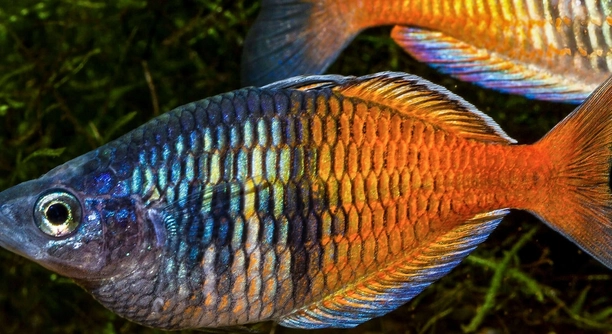
Rainbow fish are popular aquarium pets known for their colorful scales and active swimming. Their diet plays a significant role in maintaining their health and vibrancy. One common question is whether they prefer floating or sinking food.
Rainbow fish generally prefer floating food as it mimics the natural food sources they encounter in their environment. Floating food allows them to easily swim to the surface and grab their meal.
Understanding their food preferences can make feeding your rainbow fish more enjoyable and beneficial. Let’s explore how the type of food affects their diet and well-being.
Why Floating Food is Preferred by Rainbow Fish
Rainbow fish are naturally surface feeders. In the wild, they often hunt for insects, small crustaceans, and plant matter that float at or near the water’s surface. This instinct carries over into their feeding habits in the aquarium. Floating food is easier for them to spot and access, making feeding time more efficient and natural. Many types of fish food designed for rainbow fish are made to float, which is a huge advantage for both the fish and the aquarium keeper. This ensures the fish get their meals quickly without needing to search around the tank.
Their preference for floating food can help ensure they are receiving the nutrients they need without the stress of searching too much. Fish that are comfortable while feeding are generally healthier and more active. Additionally, floating food can reduce waste. Since the fish can easily grab the food from the surface, there’s less chance of food sinking to the bottom and being ignored, which may lead to debris buildup.
Rainbow fish are generally more active when they feed from the surface. The natural motion of swimming to the top of the tank keeps them engaged and moving. This action is essential for their overall fitness and well-being. In addition to helping with digestion, it supports their exercise routine. Floating food also makes it easier for fish keepers to monitor how much the fish are eating. If the food sinks too quickly, it can be harder to see if the fish are getting enough. Floating options, therefore, offer a more transparent feeding routine.
Sinking Food: When it’s the Right Choice
While floating food is often favored, there are some situations where sinking food can be useful.
For example, sinking food is a good option if there are other species in the tank that tend to feed at the bottom. However, if you want to stick to rainbow fish’s natural preferences, it’s best to keep their meals near the surface. Sinking food can also be used occasionally to ensure that all areas of the tank are utilized, especially in tanks with multiple fish species.
How to Choose the Right Floating Food for Rainbow Fish
Floating food is available in various types, including pellets, flakes, and granules. Each type serves a different need. Flakes are easy to break up and are great for smaller fish. Pellets are often more nutritious and can be ideal for larger rainbow fish. Granules are suitable for a balanced diet.
When selecting floating food for rainbow fish, it’s essential to pick one designed specifically for their nutritional needs. High-quality food that includes proteins, vitamins, and minerals ensures healthy growth, vibrant colors, and strong immune systems. Look for food that lists fish meal as the first ingredient for the best results.
Sometimes, the food you choose will also depend on the specific type of rainbow fish you have. Some species prefer more plant-based foods, while others lean more toward protein. Balancing their diet with a mix of floating and occasional sinking food can also be beneficial, ensuring they receive the necessary variety.
How Often to Feed Rainbow Fish Floating Food
Feeding rainbow fish floating food can be done 2 to 3 times a day. The key is not overfeeding, as this can lead to excess food in the tank, which can create waste and affect water quality.
Always feed your rainbow fish in small portions, allowing them to finish the food within a few minutes. This prevents uneaten food from sinking and causing tank issues. Monitoring their eating habits will help you determine the right amount to offer. Adjust based on their activity levels and how quickly they finish their meals.
Common Mistakes When Feeding Rainbow Fish Floating Food
One common mistake is overfeeding. When rainbow fish are given too much floating food, they may eat more than necessary, which leads to waste in the tank. Excess food can cause water quality issues and affect the health of the fish. Always monitor portion sizes closely.
Another mistake is using low-quality food. Low-quality floating food often lacks the nutrients rainbow fish need for a balanced diet. This can lead to dull colors and poor health. Always choose high-quality food from trusted brands to ensure your rainbow fish stay vibrant and healthy.
Water Quality and Feeding
Water quality plays a significant role in the health of your rainbow fish, especially when feeding floating food. The uneaten portions that sink can pollute the tank, which affects water chemistry. Regular water changes and maintaining filtration systems help to reduce waste buildup. Proper maintenance ensures your fish thrive in a clean environment.
Alternative Feeding Options for Rainbow Fish
Although floating food is the preferred choice, offering occasional live or frozen food can provide extra variety in their diet.
FAQ
Do rainbow fish need both floating and sinking food?
Rainbow fish generally prefer floating food as it’s closer to what they would find in their natural environment. However, occasionally offering sinking food can help maintain balance in a community tank with other species. It also allows the fish to forage for food at different levels of the tank, providing a more natural feeding experience.
Can I feed rainbow fish only floating food?
Yes, you can feed rainbow fish exclusively floating food. Since rainbow fish naturally feed at the surface, they will thrive on a diet of floating food if it is high-quality and nutritionally complete. Just be careful not to overfeed, as excess floating food can lead to waste in the tank and negatively impact water quality.
How often should I feed rainbow fish floating food?
Rainbow fish should be fed 2 to 3 times a day. A good rule of thumb is to provide enough food that they can eat in 2 to 3 minutes. Overfeeding can cause water pollution and health problems for your fish. It’s better to offer smaller amounts and adjust based on how much they consume.
Is there a specific type of floating food rainbow fish prefer?
Rainbow fish often enjoy floating food that contains a mix of proteins and plant matter. High-quality pellets or flakes designed for rainbow fish or small tropical fish are ideal. Look for options that list fish meal or shrimp as the primary ingredient for a balanced diet.
Can I feed rainbow fish live or frozen food instead of floating food?
Live and frozen food can be a great supplement to floating food, providing variety in their diet. However, it should not replace their main food source. You can offer live or frozen options like brine shrimp, daphnia, or bloodworms as treats a couple of times a week. Make sure they are thawed and properly prepared.
How do I prevent uneaten floating food from polluting the tank?
To prevent uneaten floating food from sinking and polluting the water, feed small portions at a time. Monitor how much the fish consume, and remove any excess food if they don’t finish it. Regular water changes and good filtration will also help maintain water quality.
Can rainbow fish eat other types of food?
Rainbow fish are omnivores and can eat a variety of foods, including plant matter like algae and small bits of vegetables. They can also eat live foods, frozen foods, and high-quality commercial pellets. Variety in their diet helps promote vibrant colors and overall health.
Do rainbow fish have trouble eating sinking food?
Rainbow fish can eat sinking food, but it is not their preferred choice. They might have trouble finding it in the tank, as they are more adapted to grabbing food from the surface. If you decide to use sinking food, ensure it’s small enough for them to consume easily.
How do I know if I’m feeding my rainbow fish too much?
If your rainbow fish consistently leave food uneaten, you may be overfeeding them. Overfeeding can lead to uneaten food sinking and decomposing, which can negatively impact water quality. A good practice is to only feed as much as the fish can consume in 2 to 3 minutes. You may need to adjust based on their activity level and appetite.
Can I use pellets instead of flakes for rainbow fish?
Yes, pellets are a great alternative to flakes. They tend to be more nutrient-dense and offer a longer-lasting feeding experience. Pellets can be better for providing a balanced diet, especially if you choose those designed specifically for rainbow fish. Some rainbow fish may prefer pellets over flakes as they sink slower and stay in the water longer.
How can I make sure my rainbow fish are getting enough nutrients from floating food?
Choose a high-quality floating food that contains a variety of essential nutrients, including proteins, fats, vitamins, and minerals. It’s important that the food you select lists fish or shrimp as the main ingredient. If you notice your fish becoming less active or their colors fading, it might be time to reconsider the food you’re providing.
What is the best time to feed rainbow fish floating food?
Rainbow fish are typically more active during daylight hours. It’s best to feed them in the morning and early evening. Feeding them during their active periods ensures they are more likely to eat the food, and it also helps maintain a regular feeding schedule.
Are there any health risks associated with feeding rainbow fish floating food?
Feeding rainbow fish high-quality floating food generally poses no health risks. However, if the food is low quality or overfed, it can lead to obesity, water quality problems, or malnutrition. Always be cautious about the amount of food you provide and make sure the food is specifically designed for rainbow fish.
Final Thoughts
Feeding rainbow fish floating food is a simple and effective way to meet their dietary needs. Since rainbow fish are surface feeders, floating food aligns with their natural feeding behavior, making it easier for them to eat and stay healthy. By choosing high-quality food that contains a balance of proteins, vitamins, and minerals, you can support their growth and vibrant colors. The right food can also help keep their immune systems strong, ensuring that they stay active and happy in your aquarium. Additionally, paying attention to the amount you feed and avoiding overfeeding is crucial to maintaining a healthy tank environment.
While floating food is often preferred by rainbow fish, it’s important to note that feeding them a variety of food types, including occasional sinking food or live and frozen treats, can provide added benefits. This variety mimics their natural diet more closely and can keep them engaged. Offering different food options also helps to ensure they get a full range of nutrients, supporting their overall well-being. However, it’s important to remember that too much variety can lead to overfeeding, so moderation is key.
Keeping the tank clean and monitoring food intake are equally important. Excess food that isn’t eaten can sink and affect water quality, which could lead to health problems for your fish. Regular water changes and proper filtration systems can help minimize this issue, ensuring a clean and healthy environment. By combining the right feeding habits with good tank maintenance, you can help your rainbow fish thrive and enjoy a long, healthy life.

Hello,
If you enjoy the content that we create, please consider saying a "Thank You!" by leaving a tip.
Every little bit helps us continue crafting quality advice that supports the health, happiness, and well-being of pets around the world, for pets of all shapes, sizes, and species.
We really appreciate the kindness and support that you show us!