
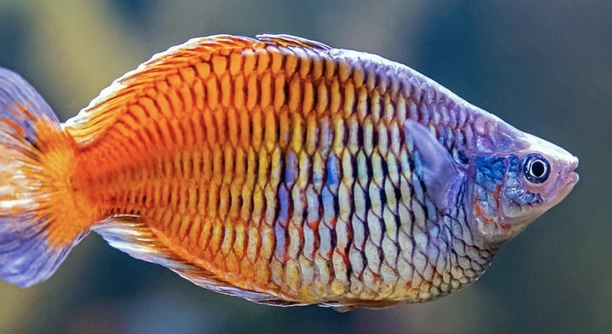
Rainbow fish are known for their vibrant colors and active nature. Their environment plays a key role in their behavior and well-being. Lighting is one such factor that can affect their mood and activity levels.
Rainbow fish tend to thrive under moderate lighting conditions. Bright lights can stress them, while dim lights may reduce their activity. The ideal lighting setup provides a balance, allowing them to feel secure while still engaging in their natural behaviors.
Lighting plays a vital role in the health and behavior of rainbow fish. Understanding how light affects them will help ensure their comfort and happiness.
Lighting and Rainbow Fish Behavior
Lighting in an aquarium influences the overall behavior of rainbow fish. They are more active under moderate lighting conditions, where they feel comfortable and secure. Bright lights can be overwhelming, making them hide or become lethargic. On the other hand, dim lighting often results in less interaction and exploration. The balance of light intensity can impact their daily activities and social interactions. Finding this balance is essential for creating an environment where rainbow fish can thrive.
While it’s important to avoid excessively bright or dim lights, too much of any light source can cause stress. For example, if lights are left on for too long, the fish may feel exposed and anxious.
In nature, rainbow fish are accustomed to fluctuating light levels. During the day, they experience brighter light, while at night, they adapt to lower levels. Mimicking this natural cycle in their tank can help them maintain their normal activity patterns and stress levels. Additionally, using lighting timers can provide consistency and a day-night rhythm that supports their well-being.
The Importance of Lighting in Rainbow Fish Care
Finding the proper light level is vital for their health. Understanding their needs will help create a stress-free environment. With the right light, rainbow fish can feel secure and active, reflecting their natural habitat.
The Right Lighting for Rainbow Fish Tanks
Rainbow fish do well with lighting that mimics natural conditions. Too much light can stress them, while too little can lead to inactivity. A balanced light cycle, with both light and dark periods, helps maintain their behavior and health.
A good rule of thumb is to keep aquarium lights on for 8 to 10 hours daily. This mimics the natural daylight cycle they would experience in their native habitat. A timer can ensure consistency in lighting, preventing extended periods of light that might cause stress. Be mindful that overexposure can cause algae growth, affecting water quality.
When choosing lights, opt for those designed for aquariums. These lights provide the right spectrum for both the fish and the plants in the tank. Avoid harsh lighting, as it can lead to erratic behavior or hide-and-seek tendencies. Properly regulated lighting ensures rainbow fish stay comfortable and active.
How Lighting Affects Rainbow Fish Health
Lighting influences not only the fish’s behavior but also their overall health. Without proper light cycles, rainbow fish can experience disrupted sleep patterns, making them more susceptible to disease. A consistent routine promotes better health and reduces stress.
Types of Aquarium Lights for Rainbow Fish
Choosing the right type of light can make a difference. LED lights are often the best choice, offering adjustable brightness and energy efficiency. Fluorescent lights are another option but can sometimes be too harsh.
LED lights provide the most flexibility and can be adjusted to suit the needs of the tank. They also offer a longer lifespan compared to other types, making them a cost-effective solution.
Fluorescent lights, although less efficient, can be useful for larger tanks where more light coverage is needed. Be sure to monitor the brightness levels to avoid overstimulation of the fish.
Light Placement in the Tank
Proper light placement can help create a calming environment. Light should be evenly distributed, avoiding hotspots that may cause distress. Consider using a hood or light fixture to control the intensity.
FAQ
Do rainbow fish prefer bright or dim lights?
Rainbow fish prefer moderate lighting, as it mimics the natural light conditions they would experience in the wild. Bright lights can cause them stress and lead to hiding, while dim lights may cause them to be less active. A balanced, moderate light level promotes healthy behaviors and reduces stress.
How long should I leave the lights on for my rainbow fish?
It’s best to keep aquarium lights on for about 8 to 10 hours daily. This replicates the natural day-night cycle they would encounter in their native habitat. Using a timer can help maintain this schedule, ensuring that the fish are exposed to appropriate light without overexposure.
Can too much light harm rainbow fish?
Yes, excessive light can stress rainbow fish, causing them to hide or become lethargic. Prolonged exposure to bright lights can also disrupt their sleep patterns, making them more susceptible to illness. Limiting the light duration and ensuring a gradual transition between light and dark periods is key.
What is the best type of lighting for rainbow fish?
LED lights are the most suitable for rainbow fish tanks. They provide energy efficiency, adjustable brightness, and a long lifespan. Fluorescent lights can also work but tend to be less adjustable and may produce harsher light. Ensure that any lighting used is designed for aquarium environments.
Should I use a light timer for my rainbow fish tank?
Using a light timer is highly recommended. It ensures a consistent light cycle, which helps replicate natural conditions and supports the fish’s internal clock. Timers also prevent accidental overexposure to light, which can stress the fish and affect their behavior and health.
How does lighting affect the health of rainbow fish?
Lighting affects rainbow fish health by influencing their behavior and sleep cycles. Poor lighting or inconsistent light schedules can lead to stress, disrupting their natural patterns. Over time, this can weaken their immune system, making them more vulnerable to disease. Proper lighting promotes overall well-being and activity levels.
Can rainbow fish live without a light source?
While rainbow fish can survive without artificial lighting, it’s not ideal. Natural sunlight is not always consistent, and having a light source allows for the regulation of day and night cycles, which is important for their health. Aquarium lights also provide the necessary spectrum for both fish and plant health.
Is it necessary to provide a light for live plants in a rainbow fish tank?
Yes, live plants require light for photosynthesis. Without proper lighting, plants will not thrive, which can lead to poor water quality and reduced oxygen levels. A well-lit tank will support both plants and fish, providing a healthy, balanced ecosystem for all inhabitants.
Do rainbow fish need a dark period for proper rest?
Yes, rainbow fish need a dark period to rest and recuperate. Constant light can disrupt their natural sleep cycle, leading to stress and behavioral issues. Ensuring a dark period at night allows the fish to rest, maintain their energy, and support overall health.
Can rainbow fish tolerate light fluctuations?
Rainbow fish can tolerate some fluctuations in light, but sudden or drastic changes can cause stress. It’s best to maintain a consistent lighting schedule and avoid unexpected changes in intensity or duration. Gradually adjusting light levels is a good way to help the fish adapt to any necessary changes.
How can I prevent algae growth from aquarium lights?
Algae growth can be encouraged by too much light, especially if the lights are left on for extended periods. To prevent this, keep the lighting duration between 8 to 10 hours per day and consider using an aquarium light that mimics natural light cycles. Regular water changes and proper filtration can also help reduce algae buildup.
Can I adjust the brightness of aquarium lights for rainbow fish?
Yes, adjustable LED lights allow you to control the brightness levels, which is ideal for creating a comfortable environment for rainbow fish. Dimming the lights during certain times of the day or evening can help simulate natural light patterns and reduce stress for the fish.
What happens if I leave the aquarium lights on too long?
Leaving aquarium lights on too long can lead to several problems. For one, it can stress the fish, disrupting their sleep cycle and making them more prone to illness. It can also cause algae growth and affect the water quality, which can further harm the fish. A timer can help avoid this issue.
Should I use a blue light for my rainbow fish tank?
Blue lighting can be used for aesthetic purposes, as it highlights the vibrant colors of rainbow fish. However, it should not be used as the main light source for long periods. Blue light is best used in combination with a broader spectrum of light to ensure the fish’s well-being.
Can rainbow fish adapt to different lighting conditions over time?
Rainbow fish can adapt to different lighting conditions gradually. If you’re changing the light setup, it’s important to do so slowly to avoid stressing the fish. Consistent, moderate light is best, and any significant changes should be made carefully to allow the fish time to adjust.
What kind of lighting is best for a planted rainbow fish tank?
For a planted tank, it’s essential to choose lighting that promotes plant growth while also supporting the fish. Full-spectrum LED lights are often the best option, as they provide the right balance of light for both plants and fish. These lights also help maintain water clarity and promote healthy plant growth.
Can I use colored lighting for rainbow fish?
Colored lighting can be used for visual effect, but it should not be the primary source of light for your rainbow fish. Bright, colored lights may interfere with their natural behaviors and affect their health. Use colored lights sparingly, ensuring that they don’t replace proper white or full-spectrum lighting.
How does lighting affect the colors of rainbow fish?
Proper lighting enhances the natural colors of rainbow fish, bringing out their vibrant hues. When the tank is lit with the right intensity and spectrum, the fish’s colors will appear more vivid and striking. Using too harsh or too dim lighting, however, can dull their colors and affect their overall appearance.
Final Thoughts
Proper lighting is essential for maintaining the health and well-being of rainbow fish. They thrive under moderate lighting that replicates natural conditions, avoiding extremes of brightness or darkness. Too much light can stress them, while too little light can make them inactive. A balance between light and dark periods is important for their behavior and overall health. Setting a timer for consistent light cycles will help create a stable environment that promotes good health and reduces stress.
The type of lighting used also plays a role in the tank’s success. LED lights are an ideal choice due to their energy efficiency, long lifespan, and adjustable brightness. Fluorescent lights can also work, but they tend to be less flexible and can sometimes be too harsh. For tanks with live plants, it is crucial to ensure that the lighting provides the proper spectrum to support both plant growth and the fish’s needs. The right lighting setup will not only enhance the fish’s vibrant colors but also contribute to the overall health of the entire aquarium ecosystem.
Lastly, while rainbow fish can tolerate light fluctuations, it is best to avoid sudden changes to their lighting environment. Gradual adjustments allow the fish to adapt without added stress. Regular maintenance, such as cleaning the light fixtures and monitoring the tank’s light cycle, will help ensure that the fish remain comfortable. Creating a stable, well-lit environment for rainbow fish ensures they stay healthy, active, and happy in their home.

Hello,
If you enjoy the content that we create, please consider saying a "Thank You!" by leaving a tip.
Every little bit helps us continue crafting quality advice that supports the health, happiness, and well-being of pets around the world, for pets of all shapes, sizes, and species.
We really appreciate the kindness and support that you show us!