
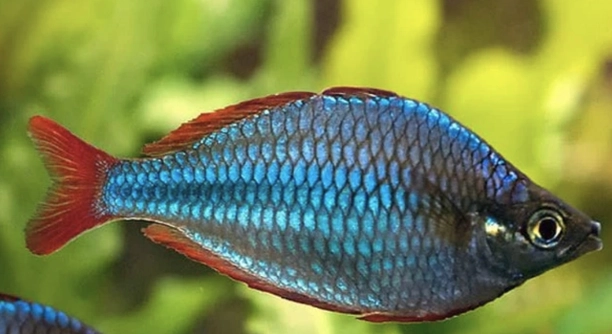
Have you ever stood by your fish tank, wondering if your rainbow fish really know it’s time to eat when you walk up?
Rainbow fish can learn to associate specific cues, such as the presence of a person or the sound of a container opening, with feeding time. This behavior is a form of classical conditioning commonly observed in many aquarium fish species.
Some behaviors may seem simple, but they often reflect more complex patterns of learning and memory in your aquatic pets.
What Triggers Rainbow Fish to Respond at Feeding Time
Rainbow fish are quick learners when it comes to patterns. If they see you walk up to the tank around the same time each day or hear the lid open, they begin to associate these cues with food. This type of learning is called classical conditioning. It doesn’t happen overnight, but once they make the connection, they’ll start to show excitement. You might see them swimming to the top, gathering near the surface, or showing brighter colors. These reactions mean they’ve recognized the signals. Over time, even small movements or sounds near the tank might catch their attention, especially if they happen just before feeding. Many fish owners notice their rainbow fish reacting the moment they walk into the room. This isn’t just coincidence—it’s learned behavior. Repetition helps strengthen this link, making it easy for rainbow fish to know what to expect and when.
This kind of behavior is not unique to rainbow fish, but they do tend to be more responsive than some other fish.
Even though they have small brains, rainbow fish can remember feeding routines and react to visual and sound cues. They thrive on structure and quickly notice repeated habits.
How Consistent Routines Can Affect Their Behavior
A regular schedule helps rainbow fish feel secure and reduces stress in the tank.
Rainbow fish benefit from routines in more ways than just knowing when food is coming. Consistency helps maintain a calm environment and supports healthy digestion. When fish know what to expect, they become less skittish and more confident in their movements. Feeding them at random times or changing who feeds them may cause confusion or hesitation. It can also affect their appetite. These small shifts can make a big difference over time. Just like with many pets, predictable patterns lead to better behavior. If you keep feeding them at the same time and in the same way, you’ll likely notice that they appear right on schedule. Their anticipation isn’t just charming—it’s a sign of learned response. Along with that, their overall health may benefit. Fish kept on a regular feeding routine tend to be more active, show brighter colors, and settle better with other fish.
Signs Your Rainbow Fish Recognizes Feeding Time
Rainbow fish often show clear signs when they expect food. They may swim toward the top of the tank, gather near the glass, or show brighter colors. These small behaviors are ways they react to the familiar feeding signals they have learned.
When rainbow fish recognize feeding time, their excitement becomes easy to spot. They may dart quickly around the tank or hover near where food usually appears. Some even begin to flare their fins slightly, making their colors seem more vibrant. This behavior happens because of the regular pattern they have learned from you. The closer it gets to their usual feeding time, the more noticeable their movements might become. Watching for these small signs helps you understand how well your fish are responding to your schedule. It also shows that they are paying attention to what happens around them every day.
Sometimes, rainbow fish will even follow your finger along the glass when they know food is coming. This is another strong sign of recognition. They link your presence with feeding and react with curiosity and energy. Consistent reactions show that your rainbow fish feel comfortable with their environment and can predict what happens next based on their past experiences.
How to Strengthen the Feeding Association
Keeping your feeding time consistent each day is the most helpful way to strengthen your rainbow fish’s association. Feeding at the same hour, using the same movements, and staying near the tank for a moment all help them connect the dots.
Using simple routines builds stronger, quicker associations for rainbow fish. For example, you can gently tap the lid or softly open the feeding container at the same time each day. Small cues like this become part of the pattern your fish will recognize. They start reacting faster and more confidently because the repeated signals tell them what to expect. It’s important not to confuse them by feeding at different times or having different people feed them in different ways. Rainbow fish notice these changes quickly. If the routine is too mixed up, they may hesitate or not react at all. With a little patience and steady habits, you’ll notice that your fish will swim up happily even before the food reaches the water.
Common Mistakes to Avoid
Feeding at random times or giving too much food can confuse your rainbow fish. Overfeeding may lead to leftover food in the tank, which can affect water quality and your fish’s health. Sticking to a clear schedule is always better.
Changing who feeds the fish too often can also affect their routine. Different hand movements or timing may cause hesitation or stress. Try to keep things the same, even if more than one person is helping.
What to Expect With Time
As days go by, you’ll notice your rainbow fish responding quicker to the same sounds or movements before feeding. It usually takes just a week or two of steady routine for the pattern to sink in. Over time, their reactions will feel more natural, and they’ll become more comfortable in their space. Some fish might be slower to respond, but with a calm and predictable setup, most will learn to recognize feeding signals. Watching for progress helps you better understand your fish and adjust your routine if needed. A relaxed tank leads to happier, more active fish that are easy to care for.
When Things Don’t Go as Planned
If your rainbow fish suddenly stop responding to feeding cues, check for any changes in their environment or routine. Small disruptions may affect their behavior.
FAQ
Do rainbow fish recognize their owner?
Rainbow fish can recognize their owners through visual cues and routine. They associate the person who feeds them with food. Over time, they become familiar with the presence of their owner and may react differently when that person is nearby. While they may not develop the same attachment as some pets, they can show recognition through behaviors like swimming to the surface or gathering near the tank’s edge when the owner enters the room.
Can rainbow fish be trained to follow commands?
Rainbow fish can learn simple routines, like expecting food at a set time, but training them to follow commands is more challenging. Their memory and ability to follow instructions are limited compared to more intelligent animals. However, they can learn to associate certain cues, like the opening of the lid or a particular movement, with feeding times. Over time, they may even react quicker as they connect these signals with the expected outcome.
How often should I feed my rainbow fish?
It’s best to feed rainbow fish once or twice a day, depending on their size and species. Overfeeding can lead to poor water quality and health issues. Ensure that they finish their food in a few minutes to avoid leftovers. It’s better to offer smaller portions and adjust based on how much they eat. If they seem to be leaving food behind, try reducing the amount. On the other hand, if they’re eagerly devouring everything, you can slightly increase the portion.
Why are my rainbow fish not responding to feeding cues?
If your rainbow fish aren’t reacting to feeding cues, it could be due to several reasons. Stress, changes in the tank’s environment, or irregular feeding schedules may affect their behavior. Try to identify if anything has changed, such as lighting, water temperature, or water quality. Ensure that you are feeding them consistently and at the same time each day. If the tank is too crowded or if there’s another source of stress, this might also make them less responsive.
What can I do if my rainbow fish stop eating?
If your rainbow fish stop eating, it’s essential to examine their health and environment. Check for any signs of disease, like abnormal swimming patterns, discoloration, or changes in behavior. Poor water quality can also impact their appetite, so regular water testing for ammonia, nitrites, and nitrates is necessary. Ensure that the food you’re offering is fresh and appropriate for their diet. If they continue to refuse food, you may need to isolate them for observation or consult a vet for further advice.
Do rainbow fish prefer certain types of food?
Rainbow fish are omnivores and eat a variety of foods. They thrive on a balanced diet that includes high-quality flake or pellet food, supplemented with live or frozen foods like brine shrimp, bloodworms, or daphnia. They also enjoy plant matter, such as algae wafers and blanched vegetables. Offering a mix of these foods ensures they get a well-rounded diet that supports their health and vibrant colors.
How can I tell if my rainbow fish is stressed?
Stressed rainbow fish may display certain signs, such as hiding more than usual, swimming erratically, or showing faded colors. Other signs include rubbing their bodies against tank objects, clamped fins, or increased breathing rate. Stress can stem from several factors, like poor water conditions, aggressive tankmates, or sudden changes in the environment. Identifying and addressing the cause of stress is crucial for the well-being of your fish.
Can rainbow fish be kept with other species?
Rainbow fish are peaceful and generally do well with other species, especially those that are similarly sized and non-aggressive. However, some species of rainbow fish may show territorial behavior during breeding periods, so it’s important to observe their interactions. It’s always a good idea to choose tankmates that won’t compete for food or space. Make sure the other fish in the tank are also compatible in terms of water parameters and temperament.
How do I know if my rainbow fish is sick?
Signs that your rainbow fish may be sick include loss of appetite, abnormal swimming (such as floating upside down or staying at the surface), and changes in appearance, such as clamped fins or discolored patches. You may also notice lesions, wounds, or visible parasites on their skin. If you suspect illness, check the water conditions and remove any unhealthy fish from the tank to avoid spreading the illness to other fish. Consulting with an aquarium professional or veterinarian can help identify the problem and provide treatment options.
Are rainbow fish easy to care for?
Rainbow fish are relatively easy to care for, making them a popular choice for beginner aquarists. They don’t require complicated water conditions and are hardy in a wide range of temperatures. However, maintaining good water quality and providing a balanced diet are essential. Consistent feeding routines, clean water, and appropriate tank conditions will keep your rainbow fish happy and healthy. Their social nature also makes them ideal for community tanks, but it’s important to avoid overcrowding.
Can rainbow fish live with other species of rainbow fish?
Rainbow fish generally do well in groups of their own kind. In fact, they are social creatures and thrive in schools, especially when housed with others of the same species. Keeping a small group of rainbow fish will help them feel more secure and reduce stress. However, be mindful of the size of your tank, as overcrowding can lead to competition for food and space.
Final Thoughts
Rainbow fish are fascinating creatures, and their ability to recognize feeding cues shows just how adaptable they are. With a little patience, you can train them to associate certain sounds or movements with food. They thrive on routine, so a consistent feeding schedule helps them feel secure and reduces stress. Once they make that connection, you’ll notice them reacting quickly when you approach the tank. Their bright colors and lively movements are signs of a healthy, happy fish, and a predictable environment plays a big role in maintaining their well-being.
While rainbow fish are relatively easy to care for, it’s important to understand their needs. Keeping a stable routine and offering a balanced diet is crucial for their long-term health. Regular water changes and proper filtration will keep your tank clean, which directly affects your fish’s comfort. It’s also a good idea to observe their behavior and adjust their environment if needed. If they stop eating or become less active, it may be a sign that something isn’t right, whether it’s stress, water quality, or health issues.
By recognizing the signs that your rainbow fish are comfortable and well-fed, you can create a positive, thriving environment for them. They may not be as interactive as some other pets, but they certainly know how to show you they’re happy. As long as you maintain a steady routine and provide proper care, you’ll enjoy watching your rainbow fish grow and thrive. With their bright colors and lively personalities, they make a great addition to any aquarium.

Hello,
If you enjoy the content that we create, please consider saying a "Thank You!" by leaving a tip.
Every little bit helps us continue crafting quality advice that supports the health, happiness, and well-being of pets around the world, for pets of all shapes, sizes, and species.
We really appreciate the kindness and support that you show us!