
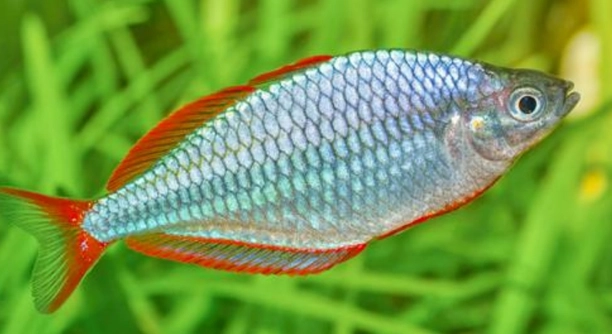
Rainbow fish are a popular choice for aquariums due to their vibrant colors and playful behavior. Many owners wonder if these fish can adapt to their feeding or light schedules over time.
Rainbow fish can indeed become accustomed to a consistent schedule. These fish often recognize patterns in their environment, such as feeding times and light cycles. With regular routines, they may even show excitement when anticipating feeding times.
Understanding how your rainbow fish adapt to their environment can help improve their health and happiness. Continue reading to learn more about these fascinating creatures and their behavior.
How Rainbow Fish Recognize Patterns
Rainbow fish have a natural ability to recognize consistent patterns in their environment. They are sensitive to light changes, feeding schedules, and other regular activities in the tank. If you maintain a steady routine, they will likely adapt and respond to these patterns. Over time, their behavior may change, such as becoming more active around feeding times or swimming to the surface when the lights dim.
Fish rely heavily on their surroundings for cues. Consistent timing in feeding and lighting helps them form a connection with these patterns. When they learn these routines, their stress levels tend to decrease, and they become more comfortable in their habitat. This sense of familiarity improves their overall well-being, leading to more vibrant and energetic behavior.
Creating a stable environment is key for your rainbow fish. They will feel more secure and less stressed, leading to healthier, more active fish. This process might take a few weeks, so patience is important when establishing routines.
Benefits of a Consistent Schedule
A stable schedule benefits your fish’s health and behavior. Regular feeding and lighting help reduce anxiety and improve their overall well-being.
The consistency of feeding times and light cycles supports a more natural environment for rainbow fish. When they have a predictable schedule, they can adapt better to life in captivity. This routine reduces stress, which is crucial for their immune system. In addition, it can encourage them to display their best colors, making your aquarium even more captivating. It’s important to remember that consistency is key—any sudden changes could disrupt their behavior or stress them out.
Feeding Times and Their Impact
Feeding rainbow fish at the same time each day can help them adjust to your schedule. They begin to expect food at these times, which can reduce stress. Establishing a routine also helps ensure they receive the right amount of nutrition at appropriate intervals.
Rainbow fish can become more responsive to feeding cues when they are familiar with your routine. This behavior shows their ability to adapt to regular schedules. Consistent feeding times also reduce the likelihood of overfeeding or underfeeding. It’s important to provide the right type and amount of food to keep them healthy. Fish may even become more active when anticipating food, making their behavior more predictable and enjoyable to observe. Regular feeding intervals maintain their energy levels and support overall growth and health.
Maintaining consistent feeding times also helps you monitor their eating habits. If you notice a sudden change in behavior, like loss of appetite or overconsumption, it could indicate health issues. With a set feeding routine, it’s easier to spot any problems early on.
The Role of Light Cycles
Just as rainbow fish can adjust to feeding routines, they also adapt to light cycles. By turning the lights on and off at consistent times, they can develop a sense of time and anticipate night and day. This pattern helps regulate their natural rhythm.
Fish are sensitive to changes in light and dark. When your rainbow fish are exposed to regular light cycles, it affects their internal clock, helping to maintain a healthy sleep-wake cycle. If light is unpredictable, it can disturb their biological processes and cause stress. The lighting schedule should mimic natural patterns, with a cycle of about 10-12 hours of light each day, followed by darkness. This consistency supports better sleep, reduces stress, and even encourages more vibrant colors. Regular lighting patterns also help regulate breeding behaviors, making it easier for your fish to thrive.
Behavior Changes Over Time
Rainbow fish can develop noticeable changes in behavior as they get used to your schedule. They might become more active during feeding times or swim around in anticipation. These signs show that they have adapted to the environment you’ve created for them.
As they recognize patterns, they become more predictable, which makes caring for them easier. These changes aren’t immediate and can take some time to show, especially if their schedule has varied in the past. Once they adjust, you’ll see them react more confidently to the routines. This can lead to healthier, more vibrant fish over time.
Stress Reduction and Comfort
Rainbow fish are more likely to thrive in an environment where they feel comfortable and secure. Regular schedules help reduce anxiety, allowing them to feel safe in their space. Over time, they will settle into these routines and exhibit calmer, more relaxed behavior.
Water Temperature and Adaptation
Temperature fluctuations can disrupt your rainbow fish’s routine. They are sensitive to sudden changes, and a stable water temperature helps them adjust to their schedule more effectively. Keeping the water temperature steady at around 74-78°F will prevent stress and ensure your fish remain healthy.
FAQ
Do rainbow fish need a specific feeding schedule?
Yes, rainbow fish thrive when fed on a consistent schedule. Regular feeding times help them adjust to their environment and reduce stress. When they know when to expect food, they become more responsive and excited, which improves their overall behavior and health. It’s best to feed them once or twice a day with high-quality fish food, ensuring they get the right nutrients.
Can rainbow fish adapt to different light cycles?
Rainbow fish can adapt to consistent light cycles. If you maintain a regular schedule, such as turning the lights on and off at the same time each day, they will adjust their natural rhythms to match. This helps regulate their sleep-wake cycle and reduces stress. Ideally, aim for 10-12 hours of light each day, followed by darkness to mimic natural conditions.
How do rainbow fish react to changes in their environment?
Rainbow fish are generally adaptable, but sudden changes in their environment can cause stress. If you make changes too quickly, such as altering water temperature, lighting, or feeding times, they may become anxious. Gradual adjustments are key to helping them settle into new routines. When their environment remains stable, their behavior improves, and they show more confidence.
Is it important to maintain a stable water temperature?
Yes, a stable water temperature is crucial for the well-being of rainbow fish. They prefer water between 74°F and 78°F. Fluctuations in temperature can cause stress and disrupt their natural rhythms, including feeding and activity patterns. Keeping the water temperature steady ensures they remain comfortable and helps them adapt to their schedule.
Do rainbow fish form bonds with their owners?
While rainbow fish are not as interactive as some other species, they can recognize their owners and become familiar with their presence. They may start to associate you with feeding time, showing more activity when you approach the tank. While they don’t form bonds in the same way mammals or more social fish might, they still develop a level of trust and recognition.
How long does it take for rainbow fish to adjust to a new schedule?
It can take several weeks for rainbow fish to fully adjust to a new schedule. Their natural rhythms need time to align with your routine. During this period, you may notice some variation in their behavior. However, with consistent feeding times, light cycles, and a stable environment, they will eventually adapt.
Can I change the feeding times once they’ve adjusted?
It’s best to stick to a consistent feeding schedule once your rainbow fish have adapted. However, if you need to change the feeding time, try to do it gradually. Start by shifting the time by 15 to 30 minutes each day until you reach the desired schedule. Abrupt changes can cause confusion and stress.
Do rainbow fish need companionship?
Rainbow fish are social creatures and do best when kept in groups. They are more comfortable and active when they have companions of their species. Keeping them in groups of at least five or six fish encourages natural behaviors, reduces stress, and helps them thrive in a tank.
Can rainbow fish tolerate lower light conditions?
Rainbow fish can tolerate lower light conditions, but they generally thrive under normal lighting. Low light may cause them to appear duller in color, and they might become less active. It’s important to provide adequate lighting to keep them healthy, vibrant, and engaged in their environment.
Do rainbow fish require special care when breeding?
Rainbow fish don’t need excessive care when breeding, but providing a stable and consistent environment is important. They will breed naturally in good conditions, especially when they feel secure. To encourage breeding, maintain a clean tank, stable temperature, and consistent feeding schedule. Keep in mind that not all rainbow fish species breed easily in captivity, so it may take some time and observation.
Final Thoughts
Rainbow fish are resilient and adaptable creatures, making them an excellent addition to many aquariums. With the right care, they can adjust to your schedule and thrive in a consistent environment. Regular feeding times, stable light cycles, and a controlled water temperature are essential for creating a healthy, stress-free habitat. When rainbow fish get used to these routines, they become more active, colorful, and engaged with their surroundings. Over time, their behavior will show signs of comfort, such as anticipating feeding times and responding predictably to changes in their environment.
It’s important to remember that these fish need patience to adapt to new routines. Although they can adjust, it won’t happen instantly. You may need to give them a few weeks to settle into a consistent schedule. During this period, gradual changes are key. For example, when adjusting feeding times or light cycles, do so slowly to avoid unnecessary stress. Consistency is essential, and any sudden shifts may cause your rainbow fish to become anxious, which can affect their health and behavior. By sticking to a steady routine, you help reduce the chance of this happening.
Ultimately, taking the time to establish a steady schedule will benefit both you and your rainbow fish. It will make caring for them easier, as they become more predictable and less stressed. A stable environment contributes to their overall well-being and encourages natural behaviors, allowing you to enjoy a beautiful and thriving aquarium. With the right adjustments and a little patience, you can build a strong connection with your rainbow fish and watch them flourish over time.

Hello,
If you enjoy the content that we create, please consider saying a "Thank You!" by leaving a tip.
Every little bit helps us continue crafting quality advice that supports the health, happiness, and well-being of pets around the world, for pets of all shapes, sizes, and species.
We really appreciate the kindness and support that you show us!