
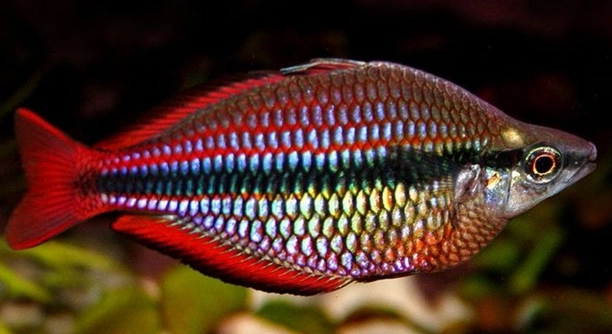
Rainbow fish are popular in aquariums due to their vibrant colors and active nature. However, understanding how they interact with tank mates is essential for ensuring their well-being. Fish social dynamics can affect their health and behavior.
Rainbow fish may experience stress from tank mates, particularly if the other fish are aggressive or overly dominant. Stress can manifest in behaviors like hiding or reduced activity. Careful selection of compatible tank mates helps minimize this stress.
By selecting the right companions, you can ensure a peaceful environment for your rainbow fish. This approach promotes healthier and more harmonious aquarium life for all.
Tank Mate Compatibility for Rainbow Fish
When choosing tank mates for rainbow fish, it’s important to consider their temperament and activity levels. Rainbow fish thrive in peaceful environments where they are not outcompeted for food or space. Smaller, calmer fish are generally a good fit. Aggressive species may cause stress, leading to hiding or illness. It’s essential to research each species to ensure compatibility before introducing them to the tank.
Aggressive fish may intimidate rainbow fish, making them anxious. This stress can affect their eating habits and immune system. Researching which species coexist well with rainbow fish ensures their health and happiness.
Creating a balanced tank environment promotes the overall well-being of all the inhabitants. Rainbow fish enjoy having space to swim freely, and choosing peaceful companions supports their natural behavior. Fish like tetras, catfish, or other non-aggressive species tend to work well with rainbow fish. It’s also important to maintain proper water conditions to prevent unnecessary stress from other factors like temperature and pH imbalance.
Signs of Stress in Rainbow Fish
Stress in rainbow fish is often shown through changes in their behavior and physical appearance. They may become less active, spend more time hiding, or show signs of rapid breathing. These are red flags indicating that something is amiss in the tank.
Identifying these signs early on allows for quick adjustments to the tank environment. Ensuring a calm and stable habitat minimizes stress, leading to healthier, more active fish.
Tank Conditions and Stress Levels
Rainbow fish are highly sensitive to changes in water conditions, which can impact their stress levels. Temperature, pH, and water hardness should remain stable. Sudden changes can cause stress and weaken their immune system. Maintaining consistent water quality helps reduce these risks.
When water conditions fluctuate, rainbow fish may display unusual behaviors, such as swimming erratically or staying near the surface. This behavior can indicate they are stressed or struggling to adapt to their environment. Regular water testing and making gradual adjustments can help keep their tank conditions optimal.
Inadequate filtration or dirty water can also contribute to stress, leading to skin irritation and reduced activity. It’s important to maintain a clean environment for your fish to thrive. Weekly water changes and proper filtration systems are essential in keeping stress at bay. A well-maintained tank not only ensures healthy fish but also prevents the buildup of harmful toxins that can affect all tank inhabitants.
Suitable Tank Mates
Rainbow fish do best when paired with peaceful tank mates that don’t compete for the same food. Small fish like tetras and guppies often work well. These species are similar in size and temperament, creating a balanced environment.
Fish that are too aggressive or too large may bully rainbow fish, leading to anxiety and stress. It’s important to observe how the tank mates interact. For instance, some species may nip at the fins of rainbow fish, which can cause significant distress. Similarly, larger fish may take up more space, leaving less room for rainbow fish to swim comfortably. To keep your rainbow fish stress-free, choose companions that will not overpower them.
Feeding and Stress Factors
Overfeeding or underfeeding can also cause stress in rainbow fish. Maintaining a consistent feeding schedule helps them feel secure. Avoid leaving uneaten food in the tank, as it can contaminate the water and negatively affect their health.
Feeding the right amount is key to keeping your rainbow fish stress-free. Too much food can lead to waste buildup, while too little can cause malnutrition. A balanced diet ensures they remain active and healthy. Ensure that food is fully consumed within a few minutes, then remove excess food to maintain water quality.
Aggressive Behavior from Tank Mates
Rainbow fish are peaceful, and they may become stressed if placed with aggressive or territorial species. Fish that chase or nip at their fins can make rainbow fish feel threatened. It’s crucial to observe the behavior of all fish in the tank to ensure harmony.
If aggression is present, consider rearranging the tank or removing the aggressive fish. This helps create a less stressful environment for your rainbow fish. Adding plants or decorations also provides hiding spaces, giving your fish options for retreat when necessary.
Monitoring Behavior and Health
Stress is not always obvious, so regular monitoring of your rainbow fish is essential. Look for any signs of unusual behavior, such as hiding or less swimming. Keep track of their feeding habits and physical appearance. Monitoring your fish helps you catch problems early before they escalate.
FAQ
Can rainbow fish live with other species?
Yes, rainbow fish can live with other species, but it’s important to choose peaceful tank mates. Small, non-aggressive fish like tetras and guppies generally do well with rainbow fish. Larger or more territorial fish may cause stress, leading to health problems for your rainbow fish. Always research species compatibility before introducing new fish to the tank.
What are the signs that my rainbow fish is stressed?
Stressed rainbow fish often display behaviors like hiding more than usual, swimming erratically, or staying near the surface of the tank. You may also notice changes in their eating habits, such as refusal to eat or sudden weight loss. Physical signs can include faded color or damaged fins. Regular monitoring helps you spot stress early.
How can I reduce stress in my rainbow fish?
To reduce stress, create a stable environment. Maintain optimal water conditions, including temperature, pH, and hardness. Ensure they have peaceful tank mates, and avoid overcrowding. A well-balanced diet, consistent feeding schedule, and providing plants or decorations for hiding spots will also reduce stress. Regular water changes keep the tank clean and healthy.
Do rainbow fish prefer schools or solitary life?
Rainbow fish prefer to live in schools of at least 6-8 individuals. They are social and feel more secure in a group. A small school encourages natural behaviors and reduces stress. However, they can also live alone, but they may be less active and more prone to stress without the company of other fish.
Can I keep rainbow fish with bettas?
It’s generally not recommended to keep rainbow fish with bettas. Bettas can be territorial and aggressive, especially toward other colorful fish. Rainbow fish might feel threatened by a betta’s behavior, leading to stress or injury. If you choose to house them together, ensure plenty of space and hiding spots to minimize interactions.
How often should I change the water in my rainbow fish tank?
Water changes should be done regularly to maintain a healthy environment. For rainbow fish, it’s best to change about 25% of the water every two weeks. If your tank is heavily stocked or has poor filtration, more frequent changes may be necessary to keep the water quality high and reduce stress.
What should I feed rainbow fish?
Rainbow fish thrive on a varied diet. They enjoy high-quality flakes, pellets, and frozen foods like brine shrimp, daphnia, or bloodworms. Offering a mix of plant and protein-based foods ensures they get the right nutrients. Feed them small amounts 2-3 times a day, avoiding overfeeding to maintain water quality.
Are rainbow fish susceptible to diseases caused by stress?
Yes, stress weakens rainbow fish’s immune systems, making them more vulnerable to diseases like ich or fin rot. Stress can result from poor water conditions, aggressive tank mates, or overcrowding. By maintaining a stable environment, offering proper nutrition, and ensuring peace in the tank, you can minimize these risks.
Can rainbow fish live in cold water?
Rainbow fish are tropical fish and require warmer water to thrive, typically between 72°F and 78°F (22°C to 26°C). They are not suited for cold water aquariums. If the water is too cold, they may become sluggish and more susceptible to diseases. Ensure your tank has a reliable heater to maintain the appropriate temperature.
How do I know if my rainbow fish is healthy?
Healthy rainbow fish are active, colorful, and have a healthy appetite. Their fins should be intact and not showing signs of damage or tearing. Look for smooth, shiny scales without any signs of lesions or discoloration. Healthy rainbow fish swim around the tank freely and explore their environment without excessive hiding.
Final Thoughts
Rainbow fish are beautiful and peaceful creatures, making them a popular choice for many aquarium enthusiasts. However, ensuring they remain healthy and stress-free requires attention to their environment, tank mates, and overall care. Choosing the right companions, maintaining stable water conditions, and providing proper nutrition are all essential steps in promoting their well-being. A balanced aquarium setup with peaceful fish, appropriate water parameters, and proper maintenance can help prevent stress and keep your rainbow fish thriving for years.
The most important factor in reducing stress for rainbow fish is creating a calm and stable tank environment. Sudden changes in water conditions or introducing aggressive fish can cause unnecessary stress, affecting their health and behavior. By observing their behavior closely and responding quickly to signs of stress, you can address potential issues early. Regular maintenance, such as water changes, cleaning, and checking water quality, ensures your tank remains a healthy space for your rainbow fish and their tank mates. A well-maintained tank provides the best foundation for fish to feel safe and comfortable.
In conclusion, keeping rainbow fish stress-free requires more than just feeding them regularly. It involves maintaining the right environment, monitoring their health, and being mindful of their interactions with other tank mates. A little effort goes a long way in ensuring that your rainbow fish enjoy a long, healthy, and vibrant life in your aquarium. By paying attention to their needs and creating a peaceful, stable environment, you can enjoy watching your rainbow fish swim happily for years to come.

Hello,
If you enjoy the content that we create, please consider saying a "Thank You!" by leaving a tip.
Every little bit helps us continue crafting quality advice that supports the health, happiness, and well-being of pets around the world, for pets of all shapes, sizes, and species.
We really appreciate the kindness and support that you show us!