
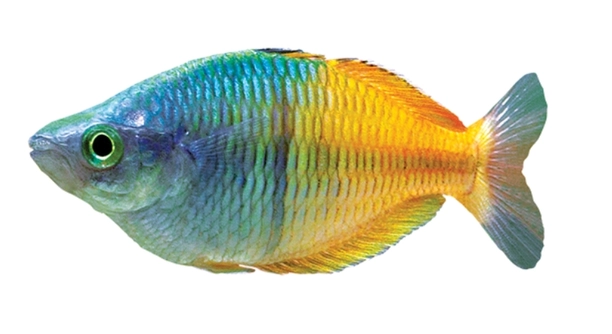
Rainbow fish are known for their vibrant colors and lively nature, but many wonder how they behave when left alone. Understanding their social behavior is key to knowing their needs and ensuring their well-being.
Rainbow fish are social creatures and generally feel more secure in the presence of other fish. When left alone, they can experience stress and exhibit signs of nervousness, such as hiding or less active behavior, though their response can vary.
Taking care of your rainbow fish means providing a suitable environment with other fish to prevent stress and promote a healthier, happier life.
How Rainbow Fish React to Being Alone
Rainbow fish are naturally social creatures. In their natural habitat, they are often found in groups, swimming together for safety and company. When placed in an environment where they are alone, their behavior can change. Typically, these fish may become more withdrawn, spending most of their time hiding in plants or behind decorations in the aquarium. They are more likely to exhibit signs of stress such as erratic swimming patterns or loss of appetite. Their vibrant colors may also appear dull, reflecting their unease. In nature, they rely on the presence of others for protection and comfort.
If a rainbow fish is alone for an extended period, it may suffer from anxiety, leading to a weakened immune system. This stress can affect their overall health, causing them to become more vulnerable to diseases.
Adding other rainbow fish or compatible species to the tank can help alleviate this stress, encouraging healthier, more active behavior. This ensures that they feel secure and can thrive in their environment.
Providing the Right Environment
An optimal environment for rainbow fish includes not just physical space but the right social atmosphere. Without companions, they can grow anxious and less active, which ultimately impacts their health.
It’s important to create a peaceful tank with other species that share similar water conditions and behaviors. Adding a few other rainbow fish or species that are known to be peaceful can reduce loneliness and prevent stress. A tank with plenty of plants and hiding spots will give your fish a sense of security. Just like other social animals, rainbow fish need the company of their own kind or similar species to maintain their well-being.
Signs Your Rainbow Fish Are Stressed
Rainbow fish show clear signs when they are stressed. A stressed fish might spend more time hiding, avoid swimming, or act less responsive than usual. Their fins could droop or appear clamped, signaling discomfort. Dull or faded colors are another common indicator, as healthy rainbow fish typically have bright, vibrant hues.
These changes in behavior are the fish’s way of expressing unease. Stress in rainbow fish can result from various factors, such as isolation, poor water quality, or tank overcrowding. If left unaddressed, it could lead to long-term health issues or even death. To prevent this, it is essential to monitor water conditions regularly and ensure that the fish have company. Maintaining a balanced environment where the fish can swim comfortably and socialize will help keep them calm and healthy.
Constant monitoring of behavior and environment ensures that any signs of stress are caught early. It is crucial to address any issues immediately to avoid prolonged distress for your rainbow fish. Offering a safe and enriching environment is key to keeping them happy.
Tank Mates for Rainbow Fish
Choosing the right tank mates for rainbow fish is essential. They are peaceful and prefer to live with other gentle, non-aggressive species. Tank mates that are too territorial or aggressive may cause additional stress, affecting the rainbow fish’s behavior and health.
The best companions for rainbow fish are those that share similar water parameters, such as pH levels and temperature, while also being peaceful. Species like tetras, gouramis, or certain types of catfish make great tank mates. These fish are social and will coexist peacefully with rainbow fish, allowing both species to thrive in a harmonious environment. It’s also important to ensure the tank is large enough to accommodate multiple species comfortably, reducing the likelihood of territorial disputes.
It’s important to avoid overcrowding, as too many fish in a small space can lead to stress for all species involved. Proper tank setup and careful selection of tank mates ensure a calm and healthy environment for your rainbow fish.
The Importance of Proper Water Conditions
Proper water conditions are crucial for the well-being of rainbow fish. They thrive in stable, clean environments with specific temperature and pH levels. Poor water quality can contribute to stress, making your fish more prone to illness. Regular water changes and monitoring water parameters are essential.
Maintaining clean water is key to preventing stress in rainbow fish. They require well-filtered water with stable temperatures, typically between 72°F and 79°F. A pH range of 6.5 to 7.5 is ideal. Ammonia, nitrites, and nitrates should also be monitored to ensure they remain at safe levels. Without proper conditions, rainbow fish will not be able to thrive.
Good water quality reduces the risk of stress and illness, promoting better behavior and health. Regular maintenance, including water testing and filtration, will keep the tank environment stable. Healthy water conditions are one of the simplest yet most important steps to ensure the happiness of your rainbow fish.
Diet and Nutrition for Rainbow Fish
Feeding rainbow fish a balanced diet is essential for their health. A variety of foods, such as high-quality flakes, pellets, and live or frozen foods, will keep them nourished. A mix of proteins, vitamins, and minerals supports their immune system, helping them cope with stress.
Proper nutrition helps maintain vibrant colors and strong immune systems. Offering a variety of foods encourages the fish to remain active and healthy, ensuring they receive all necessary nutrients. You can include some vegetable matter to balance the diet, as this will mimic their natural feeding habits in the wild. Regular feeding of the right food ensures they stay in top condition and reduces the risk of nutritional deficiencies.
Stress Reduction Techniques
To reduce stress, it’s essential to create a comfortable and peaceful tank environment. Keeping the water clean, providing ample hiding spots, and ensuring the fish are not overcrowded are key factors. A tank with plants and decorations helps provide a sense of security.
FAQ
Do rainbow fish need a companion?
Rainbow fish are social animals that generally prefer the company of their own kind or other peaceful species. While they can survive alone, they thrive when they have tank mates. Being in the presence of others helps them feel secure and reduces stress. When kept alone, they may exhibit behaviors like hiding or reduced activity. Adding more fish to the tank, preferably of the same species or other non-aggressive fish, helps create a more natural environment and ensures they are more active and healthier.
How can I tell if my rainbow fish is stressed?
Stressed rainbow fish may show several signs, including erratic swimming patterns, hiding frequently, or a loss of appetite. They may also appear more lethargic and swim less than usual. If their vibrant colors start to fade, it can be an indicator of stress. Additionally, you may notice them clamping their fins, which is a sign of discomfort. Observing their behavior and taking note of changes can help catch stress early and allow for corrective action, such as improving water quality or adding tank mates.
What is the ideal tank size for rainbow fish?
Rainbow fish need space to swim freely, so a tank of at least 30 gallons is recommended for a small group of them. A larger tank is even better, especially if you plan to house more than one species of fish. The size of the tank ensures that they have enough space to feel secure and helps maintain water quality. Overcrowding can lead to increased stress and water contamination, which can negatively impact their health.
What temperature do rainbow fish prefer?
Rainbow fish prefer water temperatures between 72°F and 79°F (22°C to 26°C). Keeping the temperature within this range helps maintain their health and well-being. Water that is too cold or too warm can stress them out and make them more susceptible to illness. Using a reliable aquarium heater will help maintain a stable temperature in the tank, creating a comfortable environment for your fish.
Can rainbow fish live with other species?
Yes, rainbow fish can live with other peaceful species. It’s essential to choose tank mates that share similar water requirements and temperaments. Fish like tetras, gouramis, and catfish make great companions for rainbow fish. However, aggressive species or those with territorial tendencies should be avoided, as they may stress out the rainbow fish or even cause harm.
How often should I feed my rainbow fish?
Rainbow fish should be fed once or twice a day. Offer small amounts of food that they can consume within a few minutes to avoid overfeeding. A balanced diet of high-quality flakes, pellets, and occasional live or frozen foods is ideal. Overfeeding can lead to water contamination and obesity in the fish, so it’s important to only provide what they can eat in a short time frame.
How can I improve water quality for rainbow fish?
Improving water quality for rainbow fish involves regular water changes, proper filtration, and monitoring water parameters. It’s essential to keep ammonia and nitrite levels at zero and ensure nitrates are below 20 ppm. Perform water changes of 20-30% every one to two weeks, depending on the size of your tank. Use a reliable filter to maintain water clarity and provide oxygenation. Regularly test the water to ensure it remains within the ideal range for your fish.
Do rainbow fish need a lot of plants in their tank?
While rainbow fish don’t require heavy planting, they do appreciate the presence of plants for hiding and swimming through. Plants offer them a sense of security and help maintain water quality by absorbing excess nutrients. Live plants, such as java fern or anubias, also create a more natural environment. However, the tank should still have enough open space for them to swim freely.
How do I handle aggression in my rainbow fish?
Rainbow fish are generally peaceful, but sometimes, they can show aggression, especially if they feel crowded or stressed. To handle aggression, ensure that there is plenty of space in the tank for all the fish. Adding hiding spots or plants can help reduce aggression by giving the fish places to retreat. If aggression continues, it may be necessary to separate overly aggressive individuals or provide more tank mates to dilute the behavior.
Why are my rainbow fish’s colors fading?
Color fading in rainbow fish is often a sign of stress, poor water quality, or illness. Stress from isolation, aggressive tank mates, or environmental changes can cause the vibrant colors to dull. Inadequate lighting or a poor diet can also contribute to color loss. To restore their colors, improve their water conditions, feed them a balanced diet, and ensure they have a peaceful environment. Once stress factors are eliminated, their colors should return to their normal vibrancy.
How can I reduce stress in my rainbow fish?
To reduce stress, it’s important to maintain stable water conditions, provide a suitable tank size, and avoid overcrowding. Add tank mates that are peaceful and compatible with rainbow fish. Ensuring that the fish have hiding spots, plants, and areas to swim freely will also help them feel secure. Avoid sudden changes in the tank environment, such as drastic temperature fluctuations or sudden water changes, as these can cause unnecessary stress.
Can rainbow fish live with snails?
Rainbow fish can live with snails, as long as the snails are not too large or aggressive. Snails can help keep the tank clean by eating leftover food and algae. Species like nerite or mystery snails make great tank mates for rainbow fish. Ensure that the snails do not outgrow the tank or disturb the fish’s environment, and check for any signs of conflict.
How do I prevent diseases in my rainbow fish?
To prevent diseases, maintain good water quality, provide a balanced diet, and avoid overcrowding. Quarantine new fish before adding them to the tank to ensure they are healthy. Regularly check for signs of illness, such as abnormal swimming or visible lesions. Keeping the tank clean and free from toxins will help reduce the risk of infections. If an illness occurs, promptly isolate the sick fish to prevent it from spreading.
What is the best way to breed rainbow fish?
Breeding rainbow fish can be done by mimicking their natural environment. Provide a separate breeding tank with clean water, plants, and gentle filtration. The water should be slightly acidic, with a temperature of around 75°F. Rainbow fish usually breed in the early morning hours. After spawning, remove the parents to avoid them eating the eggs. The eggs will hatch within a few days, and once the fry are free-swimming, feed them infusoria or baby brine shrimp.
How long do rainbow fish live?
Rainbow fish typically live for about 5 to 8 years, although some can live longer with proper care. The lifespan depends on factors like water quality, diet, and tank conditions. Maintaining a clean tank, providing balanced nutrition, and ensuring their social needs are met will help them live a longer, healthier life.
Final Thoughts
Rainbow fish are beautiful and active creatures that can thrive in a well-maintained aquarium. Their social nature makes them ideal for community tanks, especially when kept with peaceful species. These fish are not overly demanding but require attention to their environment. Providing stable water conditions, a proper diet, and appropriate tank mates will ensure that they remain happy and healthy. It’s important to remember that rainbow fish feel more secure in groups and may show stress if kept alone. A tank with a small school of rainbow fish will likely yield the best results.
Proper tank size is essential for their well-being. Rainbow fish need plenty of space to swim, and a tank that is too small can cause them to feel stressed. A minimum of 30 gallons is recommended, but the larger the tank, the better it is for the fish. When setting up their tank, ensure that there are no aggressive species around. Peaceful companions like tetras, gouramis, and catfish work well. Adding plants and decorations will also help them feel more secure and provide opportunities for them to swim through and explore.
Finally, rainbow fish are relatively easy to care for, as long as their basic needs are met. Regular water changes and monitoring of water quality are key factors in keeping them healthy. They should be fed high-quality flakes, pellets, and occasionally live or frozen foods to ensure they are receiving the proper nutrients. With a little attention and care, rainbow fish can live for several years and provide beauty and movement to your aquarium. Keeping them in a well-balanced, peaceful environment is the best way to enjoy these stunning fish for a long time.

Hello,
If you enjoy the content that we create, please consider saying a "Thank You!" by leaving a tip.
Every little bit helps us continue crafting quality advice that supports the health, happiness, and well-being of pets around the world, for pets of all shapes, sizes, and species.
We really appreciate the kindness and support that you show us!