
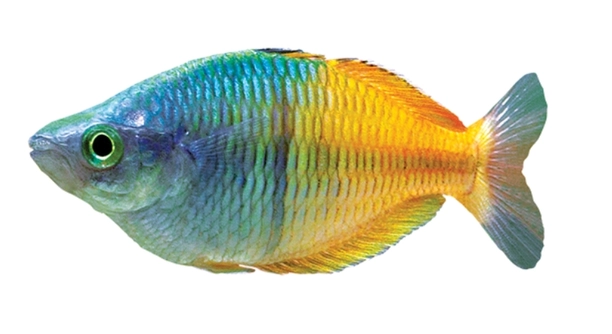
Rainbow fish are colorful, active creatures commonly found in aquariums. Their interactions with tankmates can be intriguing, especially when it comes to their behavior toward other fish. Observing them closely can reveal some fascinating dynamics.
While rainbow fish may display territorial behaviors, jealousy is not typically part of their natural instincts. They are more likely to be focused on protecting their space and competing for resources rather than feeling envious of other tankmates.
Understanding the reasons behind their actions can shed light on their behavior in a tank. This will help you ensure harmony in your aquarium and promote a balanced environment for all your fish.
What Drives Rainbow Fish Behavior?
Rainbow fish are known for their vivid colors and active nature, but their behavior can sometimes be misunderstood. These fish are primarily driven by their need for territory and resources rather than emotions like jealousy. They may become more aggressive when competing for food or space, particularly in crowded tanks. Such actions are more about survival instincts than any form of jealousy. In fact, these fish tend to thrive in environments where their needs are met and they don’t feel threatened by other tankmates.
Tankmates that are peaceful and have similar care requirements can live alongside rainbow fish without issues. The presence of other fish will not necessarily make them jealous but could lead to territorial disputes if their space is encroached upon. Ensuring there’s enough space and resources for all your fish can minimize such behavior.
The overall health of your rainbow fish largely depends on the environment you create for them. If their needs for proper space, water conditions, and food are met, they will likely exhibit more relaxed behavior and interact more calmly with their tankmates.
How to Reduce Aggression Between Tankmates
When tankmates are placed together, it’s important to create a peaceful atmosphere. Aggression in rainbow fish often arises when they feel overcrowded or threatened. This can be mitigated by ensuring the tank is large enough and providing hiding spots where each fish can retreat. Keeping a balanced number of rainbow fish and other tank species is key to reducing stress.
Adding plants or decorations can give your fish safe spaces, which can help reduce aggression and allow each fish to find its comfort zone. A well-maintained tank with enough room for all its residents encourages healthier social interactions. The key is to ensure no one fish feels like their space is being invaded.
Understanding Rainbow Fish Territory
Rainbow fish can be territorial, especially when there’s competition for food or space. This behavior is not rooted in jealousy but in the natural instincts to secure a safe area. Territorial disputes are most common when they feel crowded or threatened by other fish in their environment.
In a smaller tank, rainbow fish may become more defensive of their space. This can lead to them chasing or nipping at other tankmates, but it’s not out of jealousy—it’s simply a way to protect their resources. When there’s plenty of space and hiding spots, these territorial behaviors are less likely.
Maintaining a well-planned tank layout with enough room for everyone helps reduce territorial disputes. Ensuring that each fish has enough space to thrive prevents rainbow fish from feeling the need to assert dominance. This leads to a more peaceful aquarium where each fish can coexist without stress or conflict.
Tankmate Compatibility with Rainbow Fish
Rainbow fish can live peacefully with many other species, but choosing the right tankmates is crucial. They do best with similarly sized fish that won’t encroach on their space. Avoid pairing them with overly aggressive species, as this can trigger defensive behaviors.
When choosing tankmates, consider fish that are calm and not overly territorial. Species like tetras, barbs, or peaceful catfish are often a good fit. These fish typically share similar care needs, and their presence doesn’t provoke unnecessary aggression. Ensuring that tankmates have a compatible temperament will help avoid stress for your rainbow fish.
A diverse tank with peaceful companions encourages socialization and reduces the chance of any fish feeling threatened. The right mix of fish helps create a harmonious environment where everyone can interact without causing anxiety or aggression. Proper compatibility is essential for a stress-free tank environment.
Space and Environment for Rainbow Fish
Providing enough space in the tank is crucial for rainbow fish. Overcrowding can lead to stress and aggression, as they may feel their territory is being threatened. A larger tank allows for better social interactions and reduces the likelihood of territorial disputes.
Along with ample space, creating hiding spots with plants or decorations can give your rainbow fish the privacy they need. This allows them to feel secure and reduces unnecessary tension. A well-organized tank layout ensures that all fish can establish their own territories without feeling crowded, promoting peace within the aquarium.
How Rainbow Fish Compete for Resources
Rainbow fish are not jealous but may compete for resources like food or shelter. If food isn’t readily available, fish will compete for what they need. Ensuring that there’s enough food for everyone helps minimize this competition.
To reduce resource competition, feed your fish multiple times throughout the day. Offering small, frequent meals ensures that all the fish can eat without one dominating the food source. Additionally, feeding at different areas of the tank can prevent conflicts over food. A well-fed tank is less likely to foster aggressive behaviors.
Signs of Stress in Rainbow Fish
Stress in rainbow fish often shows through erratic swimming or hiding. They may also display dull colors or refuse to eat when they feel threatened. These are signs that something in their environment is causing discomfort. It’s important to observe and address any potential stressors.
FAQ
Do rainbow fish get along with other fish?
Rainbow fish can generally live peacefully with other species, especially when the tank is large enough. They prefer calm, non-aggressive tankmates that won’t compete for food or territory. Fish like tetras, peaceful barbs, and catfish make good companions. The key is to choose fish that share similar care requirements and temperaments.
Can rainbow fish become aggressive?
While rainbow fish are usually peaceful, they can show aggression, especially if they feel threatened or overcrowded. They may become territorial and chase other fish, particularly when there’s competition for resources like food and space. Proper tank size and arrangement can minimize this behavior.
What is the ideal tank size for rainbow fish?
Rainbow fish need space to thrive. A tank of at least 30 gallons is recommended for a small group of them. Larger tanks are ideal if you plan to house multiple species. Ample space helps reduce territorial behavior and gives your fish room to swim, reducing stress.
How do rainbow fish interact with tankmates?
Rainbow fish are generally social and interact well with peaceful species. They may engage in light chasing, but this is typically not aggressive and often a form of communication. If the tank is overcrowded or resources are limited, they may act defensively toward tankmates.
Do rainbow fish prefer certain water conditions?
Rainbow fish thrive in water that is warm, slightly acidic to neutral, and well-oxygenated. A temperature range of 72-80°F and a pH level between 6.5 and 7.5 works well. Keeping the water clean and stable is essential for maintaining their health and reducing stress.
Are rainbow fish good for beginners?
Rainbow fish can be a good choice for beginners, provided the tank is large enough and they are given appropriate care. They are hardy fish but still require a stable environment. New aquarium owners should research their specific care needs and be prepared to maintain water conditions.
How often should I feed rainbow fish?
Rainbow fish should be fed once or twice a day. Offer small portions that they can eat within a few minutes. Overfeeding can lead to water quality issues and stress. A varied diet including flakes, pellets, and occasional live or frozen food will keep them healthy.
Can rainbow fish live with aggressive fish?
Rainbow fish generally do not do well with aggressive species. They can become stressed or injured by more dominant fish. It’s best to keep them with peaceful fish that won’t outcompete them for food or space. If kept with aggressive fish, rainbow fish may become skittish or retreat into hiding.
What are the signs that rainbow fish are stressed?
Stressed rainbow fish may display behavior like hiding, darting around the tank, or swimming erratically. They might also show signs like dull or faded colors. If your fish are stressed, check water conditions, tankmates, and ensure there’s enough space and hiding spots for them to feel secure.
How do I maintain good water quality for rainbow fish?
To maintain good water quality, perform regular water changes, at least 20-25% per week. Keep an eye on ammonia, nitrite, and nitrate levels using test kits. Installing a good filtration system is important for removing waste and toxins from the water.
Can rainbow fish live with bettas?
Rainbow fish and bettas may not be the best tankmates. Betta fish are territorial and can be aggressive, especially towards brightly colored fish like rainbow fish. It’s better to house rainbow fish with species that are peaceful and non-aggressive to avoid stress and conflict.
How long do rainbow fish live?
Rainbow fish typically live for 5-8 years with proper care. Some species can live even longer if kept in optimal conditions. To ensure they live a long, healthy life, provide a stable environment with good water quality, appropriate tankmates, and a varied diet.
Do rainbow fish need a filter?
Yes, rainbow fish need a filter to keep the water clean and properly oxygenated. A good filter helps maintain water quality by removing waste and toxins. It’s essential for their health and well-being to have a filtration system that matches the size of your tank.
Can rainbow fish be bred in an aquarium?
Rainbow fish can be bred in a well-maintained aquarium. They typically spawn in plants or fine-leafed vegetation, where the eggs can be safely laid. To encourage breeding, maintain stable water conditions and ensure the fish are well-fed. It may be helpful to separate the parents from the eggs after spawning to prevent them from eating them.
What should I do if my rainbow fish are not eating?
If your rainbow fish aren’t eating, check the water quality and make sure it’s within their preferred range. Stress from tankmates, overcrowding, or poor water conditions could be the cause. Try offering a variety of foods, such as live or frozen foods, to entice them to eat.
Do rainbow fish need a light cycle?
Rainbow fish benefit from a regular light cycle to mimic natural conditions. They thrive on 10-12 hours of light per day. This helps regulate their biological rhythms and encourages healthy behavior. Make sure to have a good aquarium light that allows the fish to experience both light and dark periods.
How do I reduce the risk of disease in rainbow fish?
To reduce the risk of disease, maintain good water quality and avoid overcrowding. Regular water changes, a balanced diet, and appropriate tankmates help keep rainbow fish healthy. Quarantining new fish before introducing them to the tank can prevent the spread of diseases.
Can rainbow fish tolerate colder temperatures?
Rainbow fish are not cold-water fish and should not be kept in temperatures below 72°F. If the water gets too cold, they may become stressed or more susceptible to illness. Always keep the tank in the recommended temperature range to ensure their health.
Why are my rainbow fish not showing their colors?
Rainbow fish may lose their vibrant colors if they are stressed, sick, or living in suboptimal water conditions. Make sure the water temperature, pH, and hardness are appropriate. Poor lighting or a lack of suitable tankmates can also contribute to dull colors.
Are rainbow fish schooling fish?
Rainbow fish are social creatures and prefer to live in groups. While they are not strictly schooling fish, they do better in small groups where they can interact with one another. A group of at least six is recommended to help them feel secure and reduce stress.
What are the best plants for a rainbow fish tank?
Rainbow fish thrive in tanks with plenty of plants. Live plants like Java fern, Amazon sword, and Anubias are great choices. These plants provide hiding spots and help maintain water quality. Plants also create a more natural environment, which reduces stress for your fish.
Final Thoughts
Rainbow fish are peaceful and colorful additions to any aquarium, but they do require specific care to thrive. While they are not particularly prone to jealousy, they may exhibit territorial behaviors, especially in smaller tanks or when resources are scarce. Providing enough space, appropriate tankmates, and maintaining good water quality are essential for keeping them healthy and stress-free. By ensuring their environment is well-maintained and their needs are met, rainbow fish can live for several years, adding vibrant energy to your tank.
When it comes to tankmates, rainbow fish do well with other peaceful species. Choosing fish that are similar in temperament and care requirements can prevent conflicts and reduce stress for all of the inhabitants. Avoid overcrowding the tank and ensure that every fish has enough space to swim freely. Adding plants and decorations not only enhances the appearance of the tank but also provides hiding spots that help create a more secure environment for your rainbow fish. Keeping the tank environment as natural as possible helps to keep them calm and content.
Maintaining proper water conditions is crucial for the overall health of your rainbow fish. Regular water changes, a reliable filtration system, and careful monitoring of water parameters like temperature and pH are necessary. This ensures that the fish are living in a stable environment that supports their well-being. Feeding them a balanced diet and avoiding overfeeding will help prevent water quality issues. By following these basic care guidelines, rainbow fish can be an enjoyable and low-maintenance choice for aquarists of all levels.

Hello,
If you enjoy the content that we create, please consider saying a "Thank You!" by leaving a tip.
Every little bit helps us continue crafting quality advice that supports the health, happiness, and well-being of pets around the world, for pets of all shapes, sizes, and species.
We really appreciate the kindness and support that you show us!