
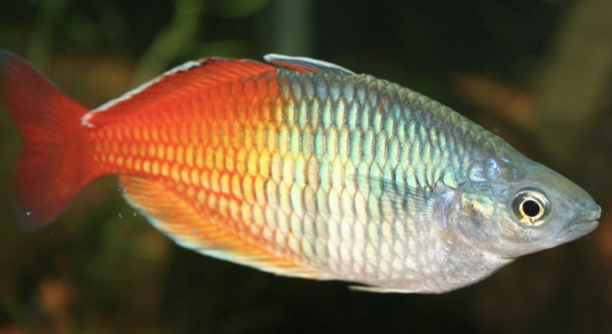
Many aquarium owners wonder about the connection they share with their fish. Rainbow fish, with their colorful fins and graceful swimming, might seem like they would form bonds with their caretakers. Understanding how fish interact with humans can be fascinating.
Rainbow fish do not form emotional bonds with their owners in the same way mammals do. They may recognize their caretakers but are generally more focused on survival instincts, like finding food or staying safe, rather than developing a personal attachment.
By exploring how rainbow fish behave in response to human presence, you’ll gain insight into their natural behaviors. Understanding their needs can help improve the overall care and experience for both you and your fish.
Rainbow Fish Behavior and Interaction with Humans
Rainbow fish are known for their vibrant colors and fast, smooth movements. While they may seem like they could form a bond with their owners, their behavior is mostly driven by instinct. They are more focused on finding food, avoiding danger, and navigating their environment rather than seeking out human interaction. Most aquarium fish, including rainbow fish, are not likely to seek affection or attention from their caretakers. They are driven by basic needs like survival, not emotional connections.
Despite their lack of attachment, rainbow fish can become familiar with their surroundings, including the person who feeds them. Over time, they may associate you with food or routine care. They may swim toward the surface when you approach, recognizing the possibility of being fed. This behavior is more about the expectation of food rather than any emotional connection.
Rainbow fish will not follow you around the tank or show clear signs of affection. However, with proper care, they may become more comfortable with your presence. They may swim calmly near you as you approach the tank, indicating they feel safe in their environment. Even without a deep attachment, your care can influence their behavior.
How Fish Recognize Their Owners
While rainbow fish don’t form emotional attachments, they can recognize certain cues associated with their caretakers. The routine of feeding and cleaning their tank helps establish familiarity. Fish rely on visual and environmental cues, such as seeing their owner approach or sensing the vibrations caused by footsteps.
Even though fish don’t experience emotions the way humans or mammals do, they are still capable of forming associations. For instance, when an owner regularly feeds them at the same time each day, the fish begin to connect the presence of their caretaker with food. This doesn’t equate to affection, but rather a conditioned response.
Rainbow fish don’t have the same complex emotions as mammals, but their ability to recognize their caretaker’s presence is linked to survival and comfort. They will often swim towards the surface or move to where they are usually fed. This behavior may be mistaken for affection but is really just an instinctual response to routine care. Understanding this can help you better care for your fish and maintain a healthy aquarium environment.
Do Rainbow Fish Recognize Their Owners?
Rainbow fish can recognize their owners through routine cues, like feeding time. This recognition, however, is based more on habit and survival rather than any form of emotional attachment. They associate their caretaker with the expectation of food.
When a rainbow fish regularly receives food from the same person, they start to link that individual with the reward. It’s not out of affection, but rather a learned response. Fish don’t have complex emotional capacities to feel attachment, but they are instinctively driven to recognize patterns for survival. Over time, they may swim to the top when you approach, expecting food, because they associate your presence with feeding time.
While this recognition can appear like attachment, it is important to remember that rainbow fish do not form bonds in the way mammals or even some reptiles might. They simply recognize a familiar presence, with food being the motivating factor. This is more a behavioral pattern than an emotional connection.
How to Strengthen Your Connection with Rainbow Fish
Creating a consistent routine can help improve your interaction with rainbow fish. If you feed them at the same time every day, they will begin to associate your presence with food. While they won’t form an emotional bond, they will recognize and respond to your regular presence.
Having a predictable schedule will give your rainbow fish a sense of security. When fish feel safe, they tend to act more confidently. If you approach the tank at consistent times, the fish may swim towards you. This response is more about comfort than attachment, as they expect food or care. Consistency in their environment, like water quality and tank maintenance, also helps them stay calm and comfortable around their owner. It’s this environment of stability that allows them to feel more at ease in your presence.
Can Rainbow Fish Show Affection?
Rainbow fish do not display affection in the way mammals do. They lack the emotional range required for such behaviors. Instead, they engage in instinctual actions like swimming toward their caretaker when expecting food.
Their response is based on routine, not attachment. Rainbow fish can learn to associate your presence with food, leading them to move towards the surface or the feeding area when you approach. This action is more about anticipation of food than affection, as their behavior revolves around survival instincts. Even if they seem excited to see you, it’s primarily a learned response.
Signs of Comfort in Rainbow Fish
When rainbow fish feel comfortable, they tend to swim calmly and actively around their tank. They may also display bright colors, which is a sign of health and relaxation. A relaxed fish is more likely to interact with their environment and exhibit confidence.
Comfort is usually linked to stable water conditions, proper feeding, and a familiar routine. Rainbow fish feel safe when their environment is predictable. The consistency of their daily care, like feeding and water changes, helps them feel secure enough to swim confidently. While they do not develop emotional bonds, they will behave more calmly when their needs are met, showing a more relaxed and healthy state.
The Role of Environment in Fish Behavior
The environment plays a significant role in rainbow fish behavior. If their tank is clean, with stable water conditions, they will be less stressed and more likely to show relaxed movements. Fish feel safest in environments that replicate their natural habitat.
Changes in water temperature, cleanliness, or tank decorations can stress them out, causing erratic or lethargic behavior. Keeping the tank’s water quality consistent helps to maintain healthy fish. A calm and predictable environment also promotes better behavior and makes it easier to observe their reactions to daily routines, like feeding.
FAQ
Do rainbow fish recognize their owners?
Rainbow fish can recognize their owners, but it is not due to emotional attachment. Instead, they associate your presence with food. Over time, they will come to expect feeding when they see you near the tank. This recognition is based on learned behavior rather than affection. When you consistently feed them at the same time or care for the tank regularly, they start to associate you with a reliable food source. While they might swim towards you when they see you, it’s mainly because they are anticipating food rather than developing a bond.
Do rainbow fish get attached to humans?
Rainbow fish do not form emotional attachments to humans. Unlike mammals, their behavior is largely driven by instincts related to survival, like finding food and avoiding threats. While they may swim to the surface when you approach, this is usually because they recognize that food is associated with your presence. It’s more of a conditioned response, not affection. Rainbow fish do not have the same social or emotional needs as other pets, so they won’t bond with their owner in the way a dog or cat might.
Can rainbow fish bond with other fish in the tank?
Rainbow fish, like many other aquarium fish, may form loose social bonds with other fish, especially within their own species. However, these bonds are not as deep as those observed in more social animals. In the wild, rainbow fish often school together for protection, and they may display similar behaviors in an aquarium setting. But this is still primarily driven by survival instincts rather than emotional connections. They are more focused on maintaining their position within the group rather than bonding in the way mammals or even some other species of fish do.
Do rainbow fish recognize other fish in the tank?
Rainbow fish are capable of recognizing other fish, especially those that they interact with regularly. They may distinguish between different individuals based on visual cues, such as body shape, size, and color patterns. In a tank, they may exhibit behaviors like schooling with similar fish, or even displaying aggression toward certain species if they feel threatened. However, the recognition is primarily for maintaining social structure or avoiding conflict. It’s not based on emotional attachment or friendship. Their interactions are more about survival than personal connection.
How do rainbow fish behave when they are happy?
Rainbow fish do not express happiness the way humans or mammals do, but their behavior can give you clues about their well-being. When they are healthy and comfortable, they are often seen swimming actively throughout the tank. They may display bright colors, which indicate that they are in a relaxed state. Healthy rainbow fish are also more likely to be interactive with their environment, including exploring different areas of the tank. A lack of movement or dull colors might indicate stress or poor health, so active swimming and bright colors are positive signs.
How can I tell if my rainbow fish is stressed?
Stressed rainbow fish will often show signs such as erratic swimming, hiding in corners of the tank, or staying near the surface more than usual. They may also lose their vibrant colors, which are a sign of health and relaxation. Stress can be caused by factors like poor water quality, overcrowding, changes in temperature, or even the presence of aggressive tankmates. It’s important to monitor water conditions and ensure that the tank environment is stable to reduce stress. If you notice any signs of stress, it’s crucial to address the underlying cause as soon as possible to avoid health issues.
Do rainbow fish need to live in groups?
Rainbow fish are generally social creatures and prefer to live in groups. In the wild, they tend to school together for safety and to help maintain social structure. While they can survive alone, it is recommended to keep at least a few of them together in an aquarium to help them feel secure and active. A group will help reduce stress and encourage more natural behaviors. If you have only one rainbow fish, it may become more timid and less active. A small group of 3-5 rainbow fish is ideal for most home aquariums.
Can rainbow fish live with other types of fish?
Rainbow fish are generally peaceful and can coexist with many other species, provided that the other fish are not overly aggressive. It’s important to choose tankmates carefully, ensuring that they are compatible in terms of temperament and water conditions. Rainbow fish do best in a community tank with fish that are similar in size and not territorial. Some good tankmates include small peaceful species like tetras, guppies, and Corydoras catfish. Avoid keeping them with overly aggressive or predatory fish, as this can cause stress or harm to the rainbow fish.
What is the best tank size for rainbow fish?
Rainbow fish are active swimmers and need plenty of space. A tank size of at least 30 gallons is recommended for a small group of rainbow fish, with additional space for each fish you add. A larger tank allows them to swim freely, which helps reduce stress. If you plan to keep a variety of species or other tankmates, you may need a bigger tank to ensure there’s enough room for everyone. Proper filtration and regular maintenance are also key in keeping the water clean and the fish healthy in a larger tank.
How can I improve my rainbow fish’s health?
Maintaining the health of your rainbow fish involves providing a stable environment with clean water, a balanced diet, and the right tank conditions. Regular water changes are essential, and the tank should be properly filtered to maintain good water quality. Rainbow fish are omnivores, so offering a varied diet of high-quality flakes, pellets, and occasional live or frozen foods will help them thrive. Keeping the tank free from toxins, maintaining a stable temperature, and minimizing stress are all important aspects of ensuring their health. Monitoring your fish regularly will also help you spot any potential health issues early.
Final Thoughts
Rainbow fish are fascinating creatures with vibrant colors that make them a popular choice for aquariums. While they are not capable of forming emotional attachments like mammals, they can recognize their owners and show certain behaviors based on routine. Most of their interactions with humans are driven by instinct, such as expecting food when they see their caretaker. They are responsive to daily routines, and over time, they may come to associate their owner with feeding time, swimming toward the surface in anticipation. This response is more about survival and comfort than emotional bonding.
Understanding that rainbow fish do not develop deep emotional connections can help manage expectations when it comes to their interactions with humans. While they may not form a bond like dogs or cats, rainbow fish can still be a source of enjoyment for aquarium owners. They show comfort through active swimming, bright colors, and familiarity with their environment. Their behavior is driven by basic needs, like finding food and staying safe, rather than the desire for companionship or affection. As long as their environment is stable and their basic needs are met, rainbow fish will thrive and feel secure.
Caring for rainbow fish requires attention to their water quality, tank conditions, and feeding routines. Ensuring a proper tank setup with enough space for them to swim comfortably is key to maintaining their health. Regular water changes, appropriate tankmates, and a varied diet will help keep them happy and healthy. While rainbow fish may not form emotional attachments, they do benefit from the consistency and care provided by their owners. By understanding their behavior and needs, you can create a thriving environment for these beautiful fish in your home aquarium.

Hello,
If you enjoy the content that we create, please consider saying a "Thank You!" by leaving a tip.
Every little bit helps us continue crafting quality advice that supports the health, happiness, and well-being of pets around the world, for pets of all shapes, sizes, and species.
We really appreciate the kindness and support that you show us!