
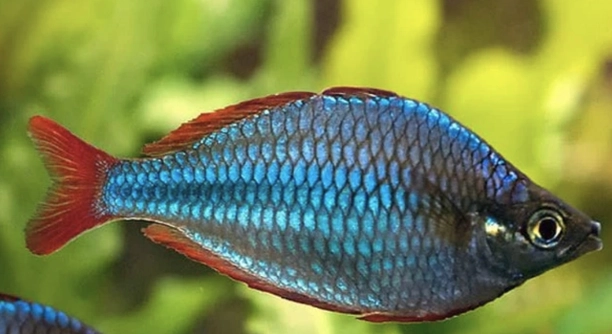
Rainbow fish are beautiful creatures, and watching them swim gracefully in aquariums can be a peaceful experience. If you own one, you may have observed their unique behavior at different times of the day.
Rainbow fish generally do not sleep upside down. Like most fish, they sleep while floating or resting near the bottom of the tank, sometimes in a still position. They do not have a sleep pattern like mammals but follow a natural resting behavior.
Understanding the sleeping habits of rainbow fish can help maintain a comfortable environment for them. Keep reading to learn more about how they rest and what it means for their well-being.
The Sleep Habits of Rainbow Fish
Rainbow fish are active swimmers, and their sleep habits may seem a bit mysterious at first. They don’t sleep the same way humans or mammals do. Instead of having a consistent sleep schedule with long periods of deep sleep, they rest in a more flexible manner. During the night, rainbow fish will usually slow down, floating in place or near the bottom of the tank. They may also hide in plants or decorations, resting but still aware of their surroundings. These fish don’t have eyelids, so it’s harder to notice when they’re actually sleeping. They will spend most of their time resting in a calm state without being fully inactive.
Rainbow fish can rest on their side, but this is not the same as sleeping upside down. If your rainbow fish is upside down, it could be a sign of stress or illness. Fish typically sleep upright or at a slight angle, not fully inverted.
Understanding how your rainbow fish rests can help you provide a better environment for them. In an aquarium, having plenty of hiding spots, plants, and a quiet atmosphere helps your fish relax when they need to rest. Rainbow fish can tolerate a range of conditions but prefer calm, stable environments where they feel secure. Changes in water quality, tank mates, or lighting can all impact how they rest.
How Do Rainbow Fish Sleep?
Rainbow fish don’t experience sleep in the same way land animals do, but they do rest. They often float in one spot for several hours during the night, slowing their movements. When they are sleeping, their activity levels drop significantly.
When you observe rainbow fish, you may notice them resting at the bottom of the tank or hiding among plants. The quality of their sleep can vary depending on their surroundings. Fish may become more stressed or restless in busy, noisy environments. Maintaining proper water temperature, filtration, and lighting conditions helps rainbow fish rest easier.
Why Do Fish Sleep Upside Down?
Fish sleeping upside down is unusual. Typically, this behavior points to something wrong with the fish’s health. It may happen due to stress, injury, or water quality issues. If your rainbow fish is floating upside down for extended periods, it could be an indication that something is wrong.
Fish have a natural tendency to sleep upright or slightly tilted, depending on their environment. If you notice your rainbow fish resting upside down, it may be stressed from poor water conditions or sudden changes in the tank. They can also become disoriented if there’s a lack of oxygen or a sudden temperature fluctuation. Always check water parameters like pH, ammonia levels, and temperature to ensure they are within the proper range.
In some cases, fish that are upside down may be suffering from a swim bladder disorder. The swim bladder controls buoyancy, and when it’s not functioning properly, the fish may have trouble maintaining its balance. This issue can cause fish to float upside down or sideways. If you suspect a swim bladder disorder, consulting a vet or specialist can help determine the cause and possible treatments.
How to Keep Your Rainbow Fish Healthy
Proper care ensures your rainbow fish rest well and stay healthy. Maintaining stable water conditions is the most important factor in ensuring your fish feel safe. Regularly check the water temperature, pH, and filter to keep everything balanced. Clean the tank often to avoid toxins building up and affecting the fish’s health.
Rainbow fish are also social animals and benefit from having tank mates. However, make sure the other fish are compatible with them. Aggressive or large fish can stress out your rainbow fish and impact their behavior. Keeping them in groups of six or more helps reduce stress and promotes natural swimming patterns. A well-maintained tank with a few friendly companions is the best setup for keeping rainbow fish happy and calm.
Signs Your Rainbow Fish Is Not Sleeping Properly
If your rainbow fish is constantly swimming erratically or hovering near the surface, it could be a sign that they are not resting properly. Fish that are not sleeping enough may become more active than usual, which can lead to stress.
Another sign is if your rainbow fish isn’t hiding or staying still during the night. Fish typically rest in quiet areas during this time. If they’re swimming around or seem agitated, it could indicate that something in their environment is preventing them from resting fully.
Water Conditions for Rainbow Fish
Rainbow fish thrive in stable water conditions. Keeping the water clean, at the right temperature, and free from toxins is key to ensuring proper sleep and health. Ideal temperatures are between 72°F and 80°F, with a slightly acidic to neutral pH range.
Maintaining these conditions reduces stress, allowing your rainbow fish to rest better. If the water is too warm or cold, they may struggle to get comfortable, disrupting their natural sleep cycle. Regular water changes and proper filtration are essential for a balanced tank environment.
Tank Setup for Better Rest
Provide plenty of hiding spots in the tank. Plants, rocks, or decorations can offer your rainbow fish a place to retreat and rest peacefully. Fish need these spaces to feel secure during their resting periods. A peaceful tank setup is crucial for encouraging sleep.
FAQ
Do rainbow fish need a lot of sleep?
Rainbow fish don’t need as much sleep as mammals. They don’t have long, deep sleep cycles. Instead, they rest intermittently throughout the day and night. As long as their environment is stable and they feel secure, they will naturally slow down and rest. Their sleep is more like a relaxed, resting state rather than deep sleep. They can remain active during the day and take short periods of rest, usually at night.
Can rainbow fish sleep during the day?
Yes, rainbow fish can sleep during the day, but it’s typically less noticeable. Since they rest more quietly at night, their daytime sleep tends to be more intermittent. They may take short breaks in the afternoon, floating near plants or hiding in their tank decor. Their sleep doesn’t have the same consistency as humans, but they still need quiet periods to recharge.
What happens if rainbow fish don’t get enough sleep?
If rainbow fish don’t get enough rest, they may become stressed and more prone to illness. Their immune system may weaken, making them vulnerable to infections. They might also become more aggressive or show erratic behavior. Proper sleep helps them recover and maintain their health, so it’s important to ensure they have a peaceful environment.
Why is my rainbow fish swimming upside down?
Rainbow fish typically swim upright, but if they are swimming upside down, it may indicate a health issue. A common cause is a swim bladder disorder, which affects their ability to control buoyancy. Other potential causes include stress, poor water conditions, or injury. It’s important to check the water quality and monitor their behavior. If the problem persists, consult with a vet or a fish expert.
How can I tell if my rainbow fish is stressed?
Stress in rainbow fish can show up in a variety of ways. They may swim erratically, hide more often, or become aggressive towards other tank mates. If the fish is not resting properly or is constantly moving, it might be a sign of stress. Poor water quality, sudden temperature changes, or incompatible tank mates are common causes of stress. Regularly checking water parameters and making sure the fish feel safe can help alleviate this.
How do I improve my rainbow fish’s sleep?
Improving your rainbow fish’s sleep starts with ensuring a calm, stable environment. Keeping the water clean, maintaining a proper temperature, and adding hiding spots in the tank all help encourage better rest. It’s also important to avoid sudden changes in lighting and noise levels that might disrupt their sleep pattern. Make sure the fish have plenty of space to swim and rest without feeling overcrowded.
Is it okay to have other fish with rainbow fish?
Rainbow fish are social creatures and generally do well with other peaceful species. However, avoid aggressive fish that may stress them out. It’s important to choose tank mates that won’t compete for food or space. Fish like tetras, guppies, and corydoras are usually good choices. Ensuring your tank has a good balance of fish can help keep everyone calm and reduce stress for the rainbow fish.
How do I make sure my rainbow fish are healthy?
Keeping rainbow fish healthy involves maintaining clean water, offering a balanced diet, and providing a stable environment. Regular water changes, appropriate filtration, and proper water temperature are key factors. A varied diet including high-quality fish flakes, live or frozen food like brine shrimp, and vegetables will also support their health. Ensuring they are not stressed by their environment or tank mates will promote overall well-being.
Do rainbow fish sleep with their eyes open?
Rainbow fish do not have eyelids, so they sleep with their eyes open. They don’t experience deep sleep like humans, so they rest in a more light, quiet state. This means they are still aware of their surroundings even while resting. They may be slightly less active but will still notice movement in the tank.
Can rainbow fish sleep with the lights on?
Rainbow fish can sleep with the lights on, but it may affect their rest. Like most fish, they prefer periods of darkness or low light to rest. If your tank lights are always on, it may disturb their natural sleep cycles. It’s best to turn off the lights during the night and provide a consistent day-night cycle to mimic natural conditions.
How often should I clean the tank for rainbow fish?
You should clean your rainbow fish’s tank at least once a week. Regular cleaning helps prevent toxins from building up and ensures good water quality. Perform partial water changes, clean the substrate, and check the filter to make sure it’s working properly. A clean tank will help your rainbow fish feel comfortable and rest better. Avoid over-cleaning, as this can disrupt the beneficial bacteria in the tank.
Are rainbow fish sensitive to temperature changes?
Yes, rainbow fish are sensitive to temperature changes. They thrive in stable water temperatures between 72°F and 80°F. Sudden fluctuations can cause stress, weaken their immune system, and affect their behavior. It’s important to monitor the water temperature regularly and use a heater if necessary to maintain consistency.
What do rainbow fish eat before sleeping?
Rainbow fish will eat throughout the day, and they usually enjoy a small meal before resting. Offer them high-quality flakes, pellets, or live foods like brine shrimp. Ensure they get enough nutrients to keep them healthy, but avoid overfeeding, as excess food can pollute the tank and affect water quality.
Can rainbow fish sleep in groups?
Yes, rainbow fish tend to rest more peacefully when kept in groups. They are social fish and feel safer when surrounded by their own kind. Keeping them in small groups of at least six can help reduce stress and promote natural sleeping behavior. These groups help your rainbow fish feel secure, which leads to better rest.
Should I worry if my rainbow fish sleeps near the surface?
If your rainbow fish sleeps near the surface, it might be due to poor water quality or low oxygen levels. Check your water parameters, especially oxygen levels and filtration. If the fish seems fine but simply likes to rest near the surface, it’s not necessarily a problem. However, if they are gasping for air or swimming erratically, this could indicate a water issue.
What temperature is best for rainbow fish to sleep?
Rainbow fish prefer temperatures between 72°F and 80°F for optimal health and rest. A stable temperature within this range supports their natural sleep patterns. Keeping the temperature consistent prevents stress and helps them rest peacefully. Avoid sharp drops or increases in temperature, as these can disrupt their sleep and overall well-being.
Final Thoughts
Rainbow fish are fascinating creatures with unique behaviors, including their way of resting. While they don’t sleep like humans or mammals, they still need time to rest. They tend to take short breaks throughout the day and night, often floating in place or hiding in plants. This rest is important for their health, helping them recover and stay energized for the next day. If you notice any unusual behavior, such as swimming upside down or excessive restlessness, it may be a sign of stress or health problems. Regularly monitoring their environment can help ensure they remain healthy and comfortable.
One of the best ways to support your rainbow fish is by maintaining stable water conditions. Consistent temperature, clean water, and proper filtration are essential for keeping your fish stress-free. Avoid sudden changes in the tank’s conditions, as these can affect their sleep and overall well-being. It’s also important to create a peaceful tank environment with plenty of hiding spots. This will give your rainbow fish the opportunity to rest without feeling exposed or vulnerable. Having tank mates that are compatible with rainbow fish can also contribute to a calm and secure atmosphere.
In conclusion, rainbow fish do need rest, but their sleep patterns are different from those of mammals. They may float in place, hide, or rest in quiet spots throughout the day and night. By providing a stable, stress-free environment, you can help ensure that your rainbow fish stay healthy and comfortable. With the right care, these colorful fish will thrive in your aquarium, bringing beauty and tranquility to your space. Remember that observing their behavior and keeping an eye on the water quality will go a long way in supporting their well-being.

Hello,
If you enjoy the content that we create, please consider saying a "Thank You!" by leaving a tip.
Every little bit helps us continue crafting quality advice that supports the health, happiness, and well-being of pets around the world, for pets of all shapes, sizes, and species.
We really appreciate the kindness and support that you show us!