
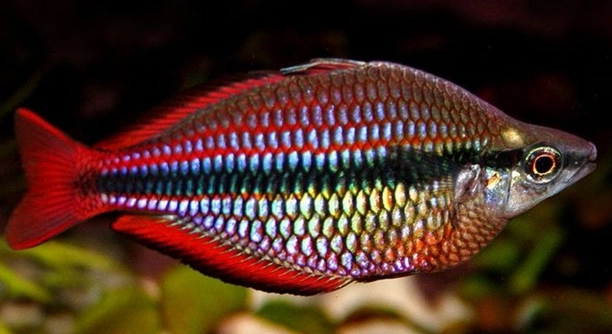
Rainbow fish are popular aquarium species admired for their vibrant colors and lively movements. Many wonder if these fish, known for their beauty, might also have unique personalities. Understanding this could help fish owners form a deeper connection with them.
Research indicates that rainbow fish exhibit individual behaviors, though they are not as distinctively “personality-driven” as mammals or birds. Some fish may show more curiosity, aggression, or social behaviors, but these traits are often linked to environmental factors and social interactions.
Learning more about these fascinating fish might change the way you care for them, highlighting the importance of their environment and interactions.
Understanding Rainbow Fish Behavior
Rainbow fish, like many species, can display a range of behaviors that might suggest personality traits. Their reactions to tank mates, food, or changes in their environment can vary. Some may appear more curious, swimming around to explore new objects, while others may be more reserved and prefer staying in familiar spots. Social interactions can also play a role in their behavior; fish that are kept in groups tend to form loose hierarchies, with some individuals becoming more dominant or assertive.
These behaviors, however, are often influenced by factors such as the size of the tank, water quality, and the presence of other fish. Stress and aggression can also trigger changes in their behavior. This highlights how environment plays a critical role in shaping how these fish behave. In a more natural or stress-free environment, rainbow fish might feel freer to display their individual traits.
Rainbow fish may not have deep personalities, but the way they interact with their environment can give some insight into their temperament. Understanding these nuances can make it easier to care for them and ensure they’re happy.
The Role of Environment and Social Groups
The tank setup can influence the behavior of rainbow fish. A crowded or poorly maintained tank will likely stress them out, leading to more withdrawn or even aggressive behavior.
When kept in well-maintained tanks with proper space, rainbow fish often interact with each other in varied ways. Some might show a peaceful nature, while others may fight for territory or dominance. How they interact with tank mates, whether it’s a peaceful coexistence or mild aggression, is partly due to their social structure. Keeping a group can encourage natural behaviors, but it’s important to monitor their interactions to prevent aggression from escalating.
Fish Health and Behavior
Rainbow fish can display different behaviors when they are unwell. If a fish is stressed or sick, it may isolate itself from the group, swim less, or act lethargic. These signs can be easy to overlook, especially since rainbow fish are naturally active.
Maintaining water quality is essential for keeping these fish healthy. Poor water conditions can lead to stress and behavioral changes, such as hiding or less movement. Regular water changes, proper filtration, and monitoring temperature are all key steps in ensuring their well-being. If a fish shows unusual behavior, it’s a good idea to test the water quality and address any potential issues.
A healthy environment encourages more natural behavior. When rainbow fish are comfortable in their surroundings, they tend to be more active, social, and engaging. It’s essential to keep an eye on their behavior, as any sudden change may signal an underlying health issue that needs attention. Regular monitoring and care go a long way in helping these fish thrive.
Factors Affecting Rainbow Fish Temperament
Temperament in rainbow fish can vary depending on several factors, including genetics, environment, and social dynamics. Fish that are raised in a stress-free environment often have a calmer demeanor compared to those raised in overcrowded or poorly maintained tanks.
Genetic differences between individual fish may also play a role. Some rainbow fish may simply be more inclined to exhibit assertive or shy behaviors, regardless of their environment. Keeping an eye on how each fish interacts with others will help you understand their specific preferences. Aggressive behaviors can be reduced by providing enough space and hiding spots for each fish to feel secure.
Understanding these factors helps aquarium owners make informed decisions about tank setup, fish selection, and overall care. By focusing on creating a balanced environment, rainbow fish can display more natural, less stressed behaviors, making the aquarium a more peaceful place.
Social Dynamics of Rainbow Fish
Rainbow fish can display varying social behaviors based on the group size and tank environment. In larger groups, they tend to establish a social structure, where more dominant individuals may assert themselves. However, they are generally peaceful when not under stress.
It’s important to provide enough space and hiding spots to avoid territorial disputes. Keeping a balanced number of fish in a tank can help reduce aggression and stress. When placed in a larger group, rainbow fish feel more secure, as they can interact and explore together. This reduces isolation and improves overall well-being.
Rainbow Fish and Their Mating Behavior
Rainbow fish exhibit interesting mating behavior. During mating seasons, males often become more vibrant and actively chase females. They might display territorial behavior to defend their space, which is common in many species. The males’ bright colors attract females, helping them stand out during courtship.
These displays can also be linked to dominance hierarchies, with the most vibrant males often holding the most prominent positions. If you’re breeding rainbow fish, it’s important to create a healthy, stress-free environment. This ensures that the fish are in the best condition to reproduce and display these natural behaviors.
Importance of Proper Tank Size
A larger tank provides rainbow fish with the space they need to feel secure and display natural behaviors. Without enough room, fish may become stressed and act aggressively.
Inadequate tank size can lead to constant stress, poor health, and aggressive interactions. Providing enough space helps rainbow fish stay active, social, and happy. It also reduces territorial disputes, allowing them to thrive and interact peacefully.
FAQ
Do rainbow fish have personalities?
Rainbow fish do exhibit a range of behaviors that might seem like unique personalities. They can show more curiosity, aggressiveness, or shyness depending on the situation. However, their behavior is largely influenced by their environment, social dynamics, and health. While they don’t have distinct, consistent personalities like mammals or birds, their reactions to changes in their surroundings can make them appear to have individual traits.
How can I tell if my rainbow fish is stressed?
Stressed rainbow fish often show signs like reduced activity, hiding, or swimming erratically. They may also exhibit changes in their eating habits or become more aggressive toward other fish. If you notice these behaviors, it’s important to check the water quality, temperature, and tank size. Stress is often linked to poor water conditions or overcrowding. If the issue persists, addressing environmental factors or separating aggressive fish can help reduce stress.
Can rainbow fish get along with other fish?
Rainbow fish are generally peaceful and can get along with many other species, especially those that share similar water requirements. They are social fish and thrive in groups of their own kind, but they can also live with other non-aggressive fish. Avoid pairing them with overly territorial or aggressive species, as this can lead to conflict. Ensuring there is enough space in the tank is key to fostering peaceful relationships between different fish species.
What do rainbow fish eat?
Rainbow fish are omnivores, meaning they eat both plant and animal matter. A varied diet is essential to keep them healthy and vibrant. You can feed them high-quality flakes, pellets, or frozen foods like bloodworms and brine shrimp. They will also nibble on live plants in the tank, which provides some variety. It’s best to feed them small amounts several times a day to avoid overfeeding and to ensure they receive a balanced diet.
How do I breed rainbow fish?
Breeding rainbow fish can be rewarding but requires a bit of preparation. You’ll need a separate breeding tank with soft, slightly acidic water and good filtration. A ratio of one male to two or three females works best, as males can become overly aggressive towards females during courtship. During breeding, males will display more vibrant colors and chase the females. After mating, remove the adults to prevent them from eating the eggs. The eggs will hatch in about a week, and the fry should be fed infusoria or finely crushed food until they are large enough for regular fish food.
Why is my rainbow fish swimming in circles?
If your rainbow fish is swimming in circles or swimming aimlessly, it could be a sign of stress, illness, or poor water quality. Begin by checking the water parameters—temperature, pH, and ammonia levels. A stressed fish might swim in circles due to anxiety from overcrowding or the presence of aggressive tankmates. If the water quality is fine, consider isolating the fish to monitor its behavior and ensure there is no underlying health issue.
How do I maintain a healthy environment for my rainbow fish?
A healthy environment for rainbow fish involves maintaining optimal water conditions. Ensure your tank has stable temperatures (around 75-80°F or 24-27°C), a slightly acidic to neutral pH (6.5-7.5), and low levels of ammonia or nitrites. Regular water changes (about 20-30% weekly) are essential to keep the water clean. Provide plenty of plants and hiding spots for your fish, as these offer a sense of security. Keeping the tank well-maintained will help reduce stress and promote healthy, active fish.
Can rainbow fish live with goldfish?
Rainbow fish and goldfish have different care requirements, so it’s generally not recommended to keep them together. Goldfish prefer cooler water (around 65-75°F or 18-24°C), while rainbow fish thrive in warmer water (around 75-80°F or 24-27°C). This temperature difference can cause stress for both species. Additionally, goldfish are known to be messy eaters, which can degrade water quality and affect the health of rainbow fish. If you want to keep both, it’s better to have separate tanks for each species.
Do rainbow fish get along with other rainbow fish?
Yes, rainbow fish do best when kept in groups of their own kind. In a group, they form social structures, and their natural behaviors are more pronounced. However, some males may show aggression toward each other, especially when they are competing for dominance or mating rights. To minimize aggression, it’s recommended to have more females than males in the tank. Providing plenty of space and hiding spots also helps reduce territorial disputes.
How long do rainbow fish live?
Rainbow fish typically live for 5 to 7 years with proper care. The lifespan can be shorter or longer depending on factors like water quality, tank conditions, and diet. Maintaining stable and clean water conditions, providing a balanced diet, and ensuring they have enough space will help your rainbow fish live a longer, healthier life.
Why is my rainbow fish losing its color?
If your rainbow fish is losing its vibrant color, it could be a sign of stress, illness, or poor water quality. Stress factors such as overcrowding, aggressive tankmates, or improper water conditions can cause color fading. Additionally, lack of proper nutrition can also contribute to dull coloration. Ensure the fish is in a well-maintained tank and is eating a balanced diet. If the problem persists, check for signs of disease or infection and take appropriate action.
Final Thoughts
Rainbow fish are beautiful, active, and relatively easy to care for, making them a popular choice among aquarium enthusiasts. While they may not have personalities as complex as some other pets, their behaviors can still be intriguing and provide a sense of individuality. Factors such as their environment, tank mates, and even their health play a large role in shaping how they act. Understanding their social nature and the importance of creating a suitable habitat can help you enjoy watching them thrive in your aquarium.
When keeping rainbow fish, it’s essential to consider their specific needs. They require clean, well-maintained water, the right temperature, and enough space to swim freely. Stress from overcrowding, poor water quality, or aggressive tankmates can lead to undesirable behaviors such as hiding or aggression. Providing them with a stable environment is crucial for their well-being. By keeping a close eye on their interactions and health, you’ll be able to see the variety of behaviors they display, even if those behaviors are not as distinct as those seen in more social animals.
Ultimately, rainbow fish can exhibit unique responses to their surroundings, and understanding what affects their behavior allows you to create a comfortable and balanced home for them. Whether they are interacting with each other or simply swimming around the tank, their behavior can offer a glimpse into their individual personalities. As with any pet, their care should be approached with patience and attention to detail. With the right care, rainbow fish can bring vibrant color and life to your aquarium for years to come.

Hello,
If you enjoy the content that we create, please consider saying a "Thank You!" by leaving a tip.
Every little bit helps us continue crafting quality advice that supports the health, happiness, and well-being of pets around the world, for pets of all shapes, sizes, and species.
We really appreciate the kindness and support that you show us!