
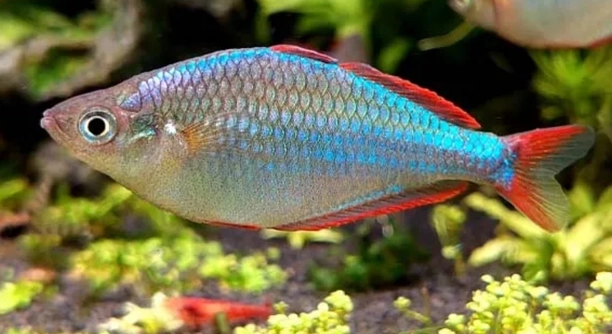
Rainbow fish are popular in home aquariums, but certain substrates may affect their comfort and behavior. Understanding their preferences is key to maintaining a healthy environment for these colorful creatures.
Rainbow fish can be sensitive to certain substrates in their environment. Sharp or rough gravel may cause stress or physical harm, while smooth, soft sand is generally preferred. Substrate choice can also impact water quality and the fish’s overall health.
Choosing the right substrate can make a difference in your rainbow fish’s comfort and well-being.
Substrate Types and Their Impact on Rainbow Fish
The type of substrate in your aquarium plays a crucial role in your rainbow fish’s comfort. Rough or sharp gravel can cause physical harm, especially if the fish are constantly rubbing against it. On the other hand, smooth substrates such as sand or fine gravel are less likely to irritate them. Rainbow fish thrive best in aquariums with a substrate that mimics their natural environment, usually found in rivers with softer, smooth surfaces. Choosing the right substrate not only benefits the fish’s physical health but also helps with water quality. Substrates like sand can prevent the build-up of harmful debris, keeping the tank cleaner.
Aquariums with substrates that match natural conditions often result in healthier fish. The smoother surfaces reduce stress and allow the fish to move freely.
In addition, the right substrate can help maintain optimal water quality. Sand can also support beneficial bacteria that help break down waste, reducing the risk of harmful toxins. By using the correct substrate, you’re ensuring a better long-term environment for your fish.
Substrate Maintenance for Rainbow Fish
Proper maintenance of the substrate is equally important. Keeping it clean prevents the accumulation of waste and debris.
Over time, sand or gravel can trap organic matter, which can deteriorate water quality. Regular vacuuming of the substrate helps maintain a balanced, healthy environment.
Choosing Between Sand and Gravel
When deciding between sand and gravel, consider the fish’s natural habitat. Rainbow fish are often found in rivers with soft, smooth substrates, so sand tends to be the better option. However, gravel can still be used if it’s fine enough, providing some variation in the tank’s aesthetic.
Sand has the benefit of preventing the accumulation of waste particles, which can lead to water quality issues. It allows for better filtration, as smaller debris doesn’t get trapped in the substrate as easily. But, be sure to choose sand that won’t compact too tightly, as this can block water flow and harm beneficial bacteria. Gravel, while easier to clean, can create areas where debris becomes trapped, leading to potential water quality problems.
If you choose gravel, select smooth stones instead of sharp ones. Rough edges can cause stress and injury to the fish. Keep in mind that the fish will appreciate the soft, gentle substrate more than rough gravel, enhancing their overall well-being.
The Role of Substrate in Water Chemistry
The type of substrate can influence the water’s pH and hardness. Sand and gravel both affect water chemistry differently, with some substrates increasing or decreasing the hardness of the water.
In some cases, certain gravel types can leach minerals into the water, altering the pH levels. For example, calcareous gravel, such as crushed coral, can raise the pH and hardness, making the environment unsuitable for rainbow fish, which prefer slightly acidic to neutral water conditions. It’s crucial to monitor the water quality regularly, especially when using gravel, to ensure that the chemistry stays balanced.
A neutral to slightly acidic pH, along with soft to moderately hard water, is ideal for rainbow fish. Keeping the right substrate can make it easier to maintain these conditions, resulting in a more stable and healthy environment.
How Substrate Affects Tank Aesthetics
Substrate choice can influence the overall look of your aquarium. Sand provides a natural, sleek appearance, offering a smooth, clean look that complements the vibrant colors of rainbow fish. Gravel can add texture and color variety, but it may also look more cluttered, depending on the size and color of the stones.
A clean, polished look is often preferred for rainbow fish, as it allows their colors to stand out. If you want a more natural feel, a fine sand substrate can help create that effect, making the fish’s movement more fluid and visible.
The Benefits of Live Plants with Substrates
Live plants in aquariums benefit greatly from the substrate. Plants with roots, like Amazon swords, thrive when planted in nutrient-rich substrates. This promotes their growth, which also improves water quality by absorbing excess nutrients.
The combination of plants and appropriate substrate creates a more balanced ecosystem. Beneficial bacteria form on the substrate, which helps break down waste, and the plants act as natural filters. Plants also provide shelter and hiding spots for fish, helping to reduce stress. With the right substrate, the tank becomes a stable and healthier environment for all inhabitants.
Impact of Substrate on Fish Behavior
The choice of substrate can influence rainbow fish behavior. They may feel more comfortable and secure with a smoother, finer surface under their fins. Rough gravel can cause stress, leading to more hiding and less active swimming.
FAQ
What type of substrate is best for rainbow fish?
The best substrate for rainbow fish is usually fine sand or smooth gravel. These materials mimic their natural environment and reduce stress. Rainbow fish tend to prefer soft, smooth surfaces that allow for easy movement. Rough or sharp gravel can cause injury, making it less ideal.
Can I use gravel for my rainbow fish tank?
Yes, gravel can be used, but it should be smooth and not too large. Coarse gravel with sharp edges can stress out the fish, while fine gravel can be a safer option. It also helps prevent debris from getting trapped, which can affect water quality.
Does substrate affect water quality in a rainbow fish tank?
Yes, the substrate plays a role in water quality. Sand is easier to clean, reducing the risk of waste buildup. However, gravel can trap organic matter, which may affect water quality if not cleaned regularly. Proper maintenance of the substrate is important for stable water conditions.
Is it necessary to vacuum the substrate?
Yes, regular vacuuming of the substrate is important to maintain water quality. Over time, organic waste can accumulate in both sand and gravel, leading to poor water conditions. Vacuuming helps remove debris and prevents harmful toxins from building up, promoting a healthier environment for your fish.
How does substrate affect rainbow fish health?
Substrate affects the overall health of rainbow fish by providing a comfortable and safe environment. A smooth substrate reduces stress and allows the fish to move freely. If the substrate is too rough or unsuitable, it can lead to injuries or stress, ultimately affecting their well-being.
Can the color of the substrate affect rainbow fish?
The color of the substrate can affect how rainbow fish behave and their coloration. Lighter substrates often enhance the vibrant colors of rainbow fish, while darker substrates may make their colors appear less vivid. However, the fish’s health is more important than the color, so choose based on their comfort and tank needs.
Should I use natural or artificial plants with the substrate?
Both natural and artificial plants can be used with any substrate. However, live plants thrive best in nutrient-rich substrates, especially those that allow for good root development. Live plants also contribute to water quality and provide a more natural habitat for your fish. Artificial plants do not have the same benefits but can add aesthetic value.
Can rainbow fish live in a tank with no substrate?
Rainbow fish can technically live in a tank without substrate, but it is not ideal. Without a substrate, the tank lacks a natural environment for the fish, and there are fewer places for beneficial bacteria to grow. Additionally, substrate helps with filtration and waste management.
What should I do if my substrate starts to smell?
If your substrate begins to smell, it may indicate a buildup of organic matter. Regular vacuuming and cleaning can help prevent this. If the smell persists, it might be time to replace the substrate or increase the frequency of maintenance. Ensure that you are also changing the water regularly.
How deep should the substrate be in a rainbow fish tank?
The substrate should generally be 2-3 inches deep for most aquarium setups, including those for rainbow fish. This depth allows for adequate root growth if you are keeping live plants and provides enough area for beneficial bacteria to form, improving overall water quality.
Can the substrate affect the pH level in my tank?
Yes, certain types of substrate can affect the pH levels in your aquarium. For example, substrates like crushed coral can raise the pH, making the water more alkaline. Rainbow fish prefer slightly acidic to neutral pH, so it’s essential to choose a substrate that won’t drastically alter the water’s pH.
Should I choose sand or gravel if I want to keep live plants?
Sand is often better for live plants, especially for those with root systems. Plants such as Amazon swords and java ferns tend to grow better in nutrient-rich substrates like fine sand. Gravel can also be used, but it may require more attention to ensure the plants’ roots are properly nourished.
Is it okay to mix different substrates in the same tank?
Mixing substrates is possible, but it should be done carefully. Some hobbyists combine sand and gravel to create different zones within the tank, which can add visual appeal and cater to different species’ needs. However, it’s essential to consider how they interact and whether they will affect the fish’s comfort.
How can I prevent my substrate from becoming compacted?
To prevent compaction, use fine sand or gravel that is well-suited to water flow. Ensure that the tank has proper filtration to promote movement and avoid creating dead spots where water doesn’t circulate. Adding live plants can also help break up the substrate and prevent compaction.
Can the substrate contribute to algae growth in a tank?
While the substrate itself doesn’t directly cause algae growth, it can contribute by trapping organic waste and nutrients that algae feed on. If waste is left unchecked, it can lead to algae blooms. Regular maintenance and cleaning of both the substrate and water can help keep algae growth in check.
What happens if I use the wrong substrate for rainbow fish?
Using the wrong substrate can cause stress, injury, and poor water quality, all of which negatively affect the health of your rainbow fish. Sharp or rough gravel may lead to physical damage, while substrates that alter the water chemistry may not support the fish’s ideal living conditions.
How can I maintain a healthy substrate environment for rainbow fish?
To maintain a healthy substrate environment, keep up with regular cleaning, including vacuuming and partial water changes. Monitor water parameters like pH and hardness to ensure they remain within the optimal range for rainbow fish. Avoid overfeeding, as uneaten food can cause waste buildup in the substrate.
Do rainbow fish need a substrate with specific particle sizes?
Rainbow fish prefer substrates with small, smooth particles that are gentle on their fins. Substrates with fine sand or small pebbles are ideal because they allow the fish to move freely without causing injury. Avoid large, jagged particles that could harm their delicate bodies.
Can the substrate help with biological filtration in the tank?
Yes, the substrate plays a role in biological filtration. Beneficial bacteria colonize the substrate, helping to break down organic waste and maintain a balanced ecosystem. The substrate acts as a natural filter, aiding in the process of nitrification, which is crucial for keeping the water safe for the fish.
Should I remove and replace the substrate if it’s getting dirty?
If your substrate is dirty and has excessive waste buildup, it may be time for a partial replacement. However, complete removal isn’t always necessary unless the substrate is compacted or causing water quality issues. Regular cleaning and vacuuming can extend the life of your substrate and maintain a healthier tank.
Final Thoughts
Choosing the right substrate for your rainbow fish tank is more important than it may seem. The type of substrate you use can affect the behavior, health, and overall appearance of your tank. While rainbow fish are relatively hardy, the wrong substrate can cause stress or even injury. Smooth sand or fine gravel tends to be the best choice, as it mimics the natural environment of these fish. This type of substrate provides a safe, comfortable space for them to swim and forage. In addition to comfort, the substrate helps maintain water quality, which is crucial for the health of all tank inhabitants.
Regular cleaning and maintenance of the substrate are essential to ensure your fish thrive. Over time, organic matter and waste can accumulate in the substrate, potentially causing water quality issues. It’s important to vacuum the substrate regularly and perform partial water changes to avoid waste buildup. If the substrate becomes too compacted or dirty, it may need to be replaced. Be mindful of the types of plants or decorations you place in the tank, as these can also impact the effectiveness of the substrate. Live plants can improve water quality and offer natural hiding spots for your fish, while artificial plants may not have the same benefits but still provide aesthetic value.
Ultimately, the best substrate for your rainbow fish is one that creates a stable, healthy environment. It’s essential to choose a substrate that allows for good water circulation and supports biological filtration. Sand or fine gravel are excellent choices for creating an environment that encourages natural behaviors, enhances the fish’s colors, and supports plant life. With regular care and attention, your rainbow fish tank will remain a beautiful and healthy space for both the fish and any plants you choose to include. The key is to keep the substrate clean, monitor water parameters, and ensure that the tank reflects the natural habitat of your fish.

Hello,
If you enjoy the content that we create, please consider saying a "Thank You!" by leaving a tip.
Every little bit helps us continue crafting quality advice that supports the health, happiness, and well-being of pets around the world, for pets of all shapes, sizes, and species.
We really appreciate the kindness and support that you show us!