
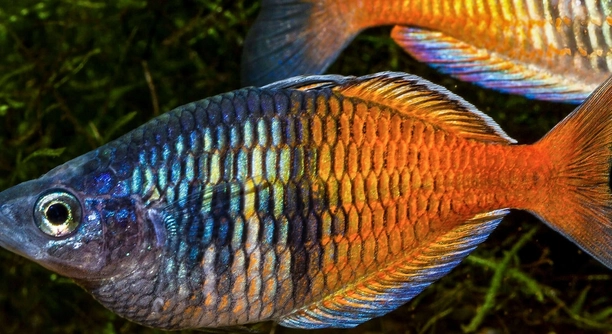
Rainbow fish are known for their vibrant colors and lively behavior, often catching the attention of aquarium enthusiasts. While they are mostly admired for their beauty, there is more to these fish than meets the eye.
Rainbow fish do communicate using their fins, as well as other body movements. These gestures can signal various messages, such as dominance, mating readiness, or territory marking, helping them interact with each other in their environment.
Fins play an important role in the way rainbow fish express themselves, from subtle gestures to more noticeable displays. Understanding this behavior can reveal much about their social interactions and survival strategies.
How Rainbow Fish Use Their Fins to Communicate
Rainbow fish have an intriguing way of communicating with each other, using their fins as one of the main tools. These fish can signal a variety of messages through movements and gestures that are subtle but meaningful. For instance, the way they position their fins can indicate aggression, submission, or a desire to mate. Their colorful fins also serve as a visual signal, catching the attention of other fish in their area. The size and brightness of their fins can also change, often as a sign of stress or excitement. These behaviors help maintain the social structure within a group of rainbow fish.
Fins are more than just for swimming—they serve as tools of communication that are crucial for the fish’s interactions.
Their behavior may seem subtle at first, but the signals given by their fins are essential for understanding social dynamics in the fish tank. For example, a male rainbow fish might fan out its fins to attract a mate or display dominance over others. When threatened, rainbow fish may quickly retract their fins, signaling a defensive stance. In addition to social signaling, rainbow fish also use their fins to navigate the water. A quick flick of the fins can help them steer or escape predators. Understanding these behaviors can provide deeper insight into how these fish communicate.
The Role of Color in Communication
The color of rainbow fish’s fins also plays an important role in their interactions with others. Bright colors can attract mates or act as a warning to other fish.
When rainbow fish display their colorful fins, it isn’t just for show. The brighter the color, the more likely it is to signal readiness to mate or establish territory. Male rainbow fish often use their vivid fins to impress females or challenge other males. In some cases, their colors can also serve as an indicator of health or stress. A duller color could indicate illness or discomfort, making it an essential signal for other fish in the tank.
Fins and Mating Rituals
Rainbow fish use their fins as an important part of their mating rituals. The males will often fan out their fins in a display to attract females, showing off their vibrant colors and impressive fin spread.
The size and spread of the fins are key to catching the attention of females. The more colorful and expansive the display, the more likely a female will notice. This fin display is not just about beauty; it also shows the health and strength of the male, making it an important part of mate selection. Females typically choose males with larger or more vivid fin displays, signaling that the male is strong and capable of contributing to the next generation.
Additionally, the fin movements of males can be quite intricate. Some will swim in circles or make sudden turns, showcasing their agility and strength. This elaborate display helps to convince females of their fitness and ability to protect a territory. Such actions are a clear signal of intent, often seen during breeding seasons when competition is high.
Fins and Territorial Behavior
In the wild, rainbow fish are territorial, and their fins help signal dominance over a particular area. Fish that want to establish their territory will often use their fins to appear larger and more intimidating.
The more they spread their fins, the more they can assert their dominance. This is particularly visible during encounters with other males. They will fan out their fins and swim in a way that makes them appear more formidable. The expanded fins are a clear message to other fish: stay away, this area belongs to me. If the other fish doesn’t back down, the encounter might escalate into more aggressive behaviors.
In smaller aquariums, this type of territorial behavior is still present but can be less intense. Fish often adapt to their surroundings and will use their fins to defend their space from other tank mates. Understanding this behavior can help aquarium owners manage their tanks better, preventing unnecessary aggression and stress.
Fins in Social Interactions
Rainbow fish use their fins to communicate within their social groups. These signals help them maintain order and avoid unnecessary conflicts. Fish often engage in subtle fin movements to indicate their position in the social hierarchy.
For example, smaller or weaker fish may keep their fins close to their bodies to avoid drawing attention. In contrast, dominant fish will often spread their fins wide to assert their position. These non-aggressive displays help prevent aggression while maintaining clear social roles. Understanding these behaviors is essential for keeping peace in an aquarium.
Stress and Fin Movements
When rainbow fish are stressed, their fins may appear clamped or pulled tightly against their bodies. This behavior signals discomfort or fear.
Stress can be caused by various factors, including poor water conditions, overcrowding, or the presence of aggressive tank mates. A stressed fish may become less active and hide more frequently. The tightness of the fins is a clear indicator that something is wrong, and the fish is feeling threatened or uneasy. Monitoring fin movement is a good way to assess the health and well-being of rainbow fish.
Fins and Feeding Behavior
Rainbow fish also use their fins to signal when it’s feeding time. They may quickly flutter their fins or swim excitedly towards the surface when food is present.
This behavior is often seen when they have learned that food is coming. Their fins become more active and their movements become faster as they eagerly anticipate a meal. In some cases, the fish may use their fins to gently nudge or push other fish away from the food, especially if they are more dominant. It’s a clear, energetic sign that the fish are aware of their surroundings and are actively seeking food.
FAQ
Do rainbow fish only use their fins to communicate with other fish?
Rainbow fish use a combination of body language, including fin movements, to communicate not only with other fish but also with their surroundings. Their fins are primarily used for social interactions, but they also help in navigating their environment. For example, they might use their fins to escape predators or to quickly change direction. These fins, along with their body movements, play a vital role in their day-to-day survival, helping them adapt to changes in their surroundings and interact with their tank mates.
Can rainbow fish change the color of their fins to communicate?
Yes, rainbow fish can change the color of their fins as a form of communication. They do this mainly when they are excited, stressed, or displaying dominance. The brightness of their fins can indicate various states, such as readiness to mate or assert territory. The color change is often accompanied by specific fin movements that reinforce the message being communicated. The change in color can also be a signal of health—when stressed or unwell, rainbow fish might show duller or faded colors, alerting other fish or aquarium owners to potential issues.
How can you tell if a rainbow fish is stressed based on its fins?
A stressed rainbow fish will usually clamp its fins tightly against its body. This behavior is often accompanied by a decrease in activity, where the fish may hide more or swim less. The fins become stiff and appear less animated, signaling that the fish is not comfortable. If you observe this, it’s essential to assess the tank’s environment, including water conditions, tank mates, and food availability, to determine what might be causing the stress. Prolonged stress can lead to illness, so addressing the cause is crucial for the fish’s well-being.
Why do rainbow fish display their fins in a fan shape?
Rainbow fish often fan out their fins to assert dominance or attract a mate. This behavior is common in males during mating seasons when they want to showcase their vibrant colors and physical fitness. The expanded fins make the fish appear larger and more formidable to competitors or other males. In addition to mating displays, the fanned fins can be a sign of territorial behavior, as the fish attempts to claim a specific area as its own. The display is a visual signal to others that the fish is strong and ready to defend its space or seek a mate.
What does it mean when rainbow fish retract their fins?
When rainbow fish retract their fins, it typically signals that they are feeling threatened or frightened. This defensive posture is often observed when a fish feels the need to hide or flee from potential danger, such as a larger, more aggressive fish or an unfamiliar object in their environment. Fin retraction can also occur during social conflicts, particularly in situations where a fish is asserting its dominance or submitting to another. It’s a way of signaling submission or withdrawal from an aggressive interaction, signaling that the fish doesn’t want to escalate the situation.
Can rainbow fish communicate with fins in a school?
Yes, rainbow fish use their fins to communicate within a school. The fish rely on subtle movements, such as fin flicks or shifts in body position, to maintain harmony and coordination. For example, if one fish notices a predator or a sudden change in the environment, it may use its fins to signal the other fish, causing them to react accordingly. In a well-coordinated school, the movements of individual fish are synchronized, and their fins help them stay aligned and avoid chaos. This behavior is essential for survival, as schools provide safety and make it easier to escape threats together.
How do rainbow fish use their fins to interact with their environment?
Rainbow fish use their fins to navigate through their environment. The fins help them steer, maintain balance, and adjust their position in the water. By flexing their fins in various ways, they can make sharp turns, quick stops, and even rapid movements when evading predators. Their fins also assist in precise movements, such as hovering or staying in one spot within the water column. These abilities allow them to move efficiently through their habitat, whether they are exploring, foraging, or escaping danger. Understanding how they use their fins to interact with their environment is essential for providing a suitable tank setup.
Is it possible for rainbow fish to injure their fins?
Yes, rainbow fish can injure their fins, usually due to rough tank conditions or aggression from other fish. Sharp objects or décor in the tank can also cause physical damage. If a fish is attacked or stressed by a dominant tank mate, it may result in torn or damaged fins. Injuries can lead to infections if not treated promptly. Regularly inspecting the fins of your rainbow fish for signs of injury, such as rips or discoloration, can help prevent complications. A well-maintained tank with appropriate tank mates and gentle decor can help minimize the risk of fin injuries.
Do rainbow fish ever use their fins for feeding?
While rainbow fish do not use their fins directly for feeding, their fin movements help them locate food and access different areas of the tank. They often swim swiftly to the surface or through the water column, using their fins for balance and speed. As they approach their food, their fins can become more active as they anticipate feeding time. In some cases, they may even use their fins to nudge or move other fish away from the food, especially if they are more dominant. This type of behavior ensures they have access to food in a competitive environment.
How do different species of rainbow fish communicate with their fins?
Different species of rainbow fish communicate in slightly varied ways with their fins, although the basic principles remain the same. The fin displays and movements can vary depending on the species’ size, color patterns, and natural habitat. For example, some species may have more elaborate fin displays during mating or territorial disputes. Others might use fin movements that are more subtle but still significant. Understanding the unique behaviors of each species can provide more insight into how they interact within their own kind and with other species in a shared environment.
Final Thoughts
Rainbow fish are fascinating creatures that communicate in various ways, with their fins playing a significant role in their interactions. The movements and displays of their fins help them express dominance, attract mates, and even signal distress. These behaviors are essential for their survival and well-being, both in the wild and in home aquariums. Understanding these signals can help aquarium owners create a better environment for their fish, reducing stress and ensuring they live healthier lives.
In many ways, the fins of rainbow fish are like a language of their own. They use subtle movements to communicate with each other, whether it’s to establish territory or show affection. These interactions are not always obvious to the untrained eye, but once you understand the signs, you can begin to appreciate the complexity of their behavior. By paying attention to the way their fins move, you can learn a lot about their emotional state and social structure.
For anyone who keeps rainbow fish, it’s important to provide them with an environment where they can express themselves freely. This means ensuring the tank has enough space, suitable tank mates, and proper water conditions. When rainbow fish feel comfortable and safe, they are more likely to display their natural behaviors, including their fascinating fin movements. By observing these behaviors, you can better understand their needs and create a more harmonious and thriving tank.

Hello,
If you enjoy the content that we create, please consider saying a "Thank You!" by leaving a tip.
Every little bit helps us continue crafting quality advice that supports the health, happiness, and well-being of pets around the world, for pets of all shapes, sizes, and species.
We really appreciate the kindness and support that you show us!