
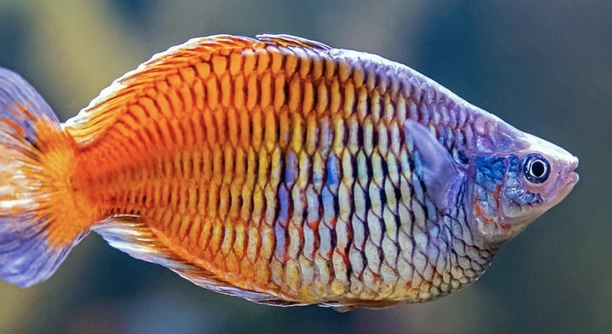
Rainbow fish are fascinating creatures known for their vibrant colors and graceful movements. Understanding how they communicate has intrigued researchers for a long time. Their behaviors and interactions can offer insights into the subtle ways they convey information.
Rainbow fish use various forms of movement to communicate with each other. This can include swimming patterns, body postures, and even changes in color. Such actions help them signal intentions, establish territory, or attract mates. These movements are key to their social interactions.
Exploring these fascinating movements reveals how much fish rely on body language. The more we understand, the clearer their communication methods become.
Understanding Rainbow Fish Behavior
Rainbow fish are naturally social creatures. They often swim in groups, and their movements can reveal a lot about their emotions and intentions. A common behavior is “schooling,” where they swim in synchronized patterns, which helps them stay safe from predators. These synchronized movements may also indicate a form of communication between the fish, signaling changes in their environment. Their body movements can also show dominance or submission, with larger fish moving in a way that reflects their status. Smaller fish tend to be more subtle, making quick, erratic movements to avoid confrontation.
Fish use their color patterns to complement these movements, creating a dynamic form of communication. Bright colors or darkening hues can convey aggression, territoriality, or readiness to mate. Understanding these interactions allows researchers to recognize how much movement plays a role in their social structure.
The movements and color changes in rainbow fish are not just for show. They hold deep meaning in their social structure and survival.
The Role of Body Posture in Communication
Body posture is another key element of rainbow fish communication. By adjusting their position in the water, rainbow fish can send specific signals to others. Fish often face one another directly to establish dominance or engage in a display of territorial behavior. In more neutral interactions, their posture might be more relaxed, allowing for smooth swimming in groups. This subtle communication through posture can prevent unnecessary conflicts and allow for peaceful coexistence in their aquatic environments.
Posture also plays a role in mate attraction. Male rainbow fish will often adjust their positioning and display more colorful body movements when trying to attract a mate. This movement is designed to show off their fitness and increase their chances of reproduction. The posture of a female rainbow fish, on the other hand, may indicate receptiveness or avoidance.
The interaction of body posture and movement creates a complex language of its own.
Movement as a Sign of Social Hierarchy
Rainbow fish use movement to establish a clear social hierarchy. When a larger fish approaches a smaller one, the smaller fish may freeze or swim away quickly, signaling submission. Dominant fish often swim slowly and deliberately, asserting their control over the space. The more dominant a fish is, the less reactive it may be to other fish.
These behaviors are not always aggressive. Sometimes, dominant fish use slow, deliberate movements to guide the group in a particular direction. This can help maintain order within the school and keep fish safe from potential threats. Smaller, subordinate fish are more likely to respond to such movements by following the leader, maintaining a sense of stability and coordination in the group. This social order allows the fish to move together as a cohesive unit.
In these social interactions, movement also plays a role in determining the relationships between individual fish. It isn’t just about survival but also about maintaining the balance within the group.
The Impact of Color and Movement on Mate Selection
Color and movement often go hand in hand when it comes to attracting a mate. Male rainbow fish typically display their brightest colors during mating season, using vivid patterns to grab the attention of females. These color changes are coupled with certain movements, like quick, jerky motions, meant to show off their fitness.
Females are more likely to be attracted to males that exhibit these flashy displays. The more vibrant the colors and more complex the movements, the more likely it is that a female will choose a mate. These colorful patterns signal health and genetic strength, ensuring that the chosen mate can produce healthy offspring.
Females, on the other hand, may show subtle movements that signal their willingness to mate. They might move closer to the male’s display, giving them the opportunity to show off even more. This form of communication through movement is essential for the breeding success of rainbow fish.
Synchronization in Schooling
Rainbow fish often swim together in synchronized patterns. This coordinated movement helps them stay safe, as predators have a harder time targeting a single fish in a group. The synchronization also allows for more efficient travel, with each fish adjusting its movements to match those around it.
This behavior isn’t just about safety—it’s also a way for the fish to communicate. The fish in a school respond to slight changes in speed or direction, allowing the group to remain cohesive. This instinctual behavior is essential for maintaining the group’s survival, especially when faced with predators or other threats in the wild.
By moving in unison, the fish can communicate with each other without needing complex signals.
How Environmental Changes Affect Movement
Environmental factors, such as water temperature and current strength, play a significant role in how rainbow fish move. Warmer water often leads to more active swimming, while cooler temperatures can slow them down. Strong water currents can also push the fish to swim harder or find shelter.
These changes directly affect how rainbow fish communicate with each other. For example, in stronger currents, fish may adjust their swimming patterns to conserve energy or avoid being swept away. In calm waters, they may engage in more relaxed, leisurely swimming. Environmental changes are crucial in influencing their movement and interactions with others in the school.
Communication Through Escape Behavior
Escape behavior is another vital aspect of rainbow fish communication. When faced with a threat, the fish often use rapid, erratic movements to flee. These movements are designed to confuse predators and allow the fish to evade capture. The speed and unpredictability of their escape patterns make it harder for predators to track and catch them.
Such movements also signal urgency and alert other fish in the group. As one fish reacts, others often follow, swimming rapidly in the opposite direction. This coordinated escape effort relies heavily on movement, ensuring that all fish in the group can quickly respond to potential threats.
FAQ
How do rainbow fish communicate with each other?
Rainbow fish communicate primarily through movement and body posture. They use synchronized swimming patterns to stay together as a group and signal various behaviors, such as mating or avoiding predators. Body posture is important too; dominant fish will often swim in a slow, deliberate manner, while submissive fish may move quickly or freeze to avoid conflict. Additionally, changes in their coloration can enhance the communication process, with brighter colors often signaling aggression or readiness to mate, while duller tones may indicate stress or submission.
Do rainbow fish communicate through color changes?
Yes, rainbow fish are known for their ability to communicate through color changes. When threatened or excited, their colors can become more vibrant, signaling dominance, aggression, or sexual readiness. For males, bright colors are often used to attract females during mating season. These color shifts are closely linked with their movements and help convey specific messages to other fish in the group.
Why do rainbow fish swim in schools?
Rainbow fish swim in schools primarily for safety. By moving together in a coordinated manner, they can confuse predators and reduce the risk of any individual fish being targeted. Schooling also makes it easier for the group to find food and navigate their environment. It’s a survival strategy, allowing the fish to rely on each other for protection, especially when a predator approaches.
Can rainbow fish change their movements based on their environment?
Yes, the movements of rainbow fish are often influenced by their environment. Factors like water temperature, current strength, and available space can all impact how the fish behave. For instance, in stronger currents, rainbow fish may swim harder or seek shelter to conserve energy. In calmer water, they are more likely to engage in leisurely swimming and social interactions with their group.
How do rainbow fish attract mates through movement?
Rainbow fish use a combination of colorful displays and specific movements to attract mates. Male rainbow fish, during breeding season, often swim in erratic patterns or perform exaggerated movements to show off their physical fitness. This may include quick jerks or flaring of their fins. The more elaborate the display, the more likely they are to attract a female. This movement signals to the female that the male is a healthy and desirable mate.
Do rainbow fish communicate with each other in stressful situations?
Yes, rainbow fish have ways of communicating during stressful situations. When faced with a threat, such as a predator or sudden changes in their environment, rainbow fish may respond with erratic, rapid movements to escape. These movements act as both a warning to other fish and a strategy to avoid capture. If one fish starts to flee, others will often follow, creating a coordinated escape response that increases their chances of survival.
What role does territory play in rainbow fish communication?
Territory plays a significant role in rainbow fish behavior. Dominant males often establish a territory, which they defend against other males. They use movement and posturing to assert their dominance, often engaging in slow, deliberate swimming to show their control over an area. Submissive fish will avoid these territories and may alter their movements to avoid conflict. The way a rainbow fish moves can indicate whether it is in a dominant or subordinate position within the group.
Do rainbow fish use any vocal communication?
Rainbow fish primarily rely on visual and movement-based communication. While they do not have vocal cords like mammals, they may produce small sounds by vibrating their swim bladders, especially in stressful situations. However, these sounds are not the primary means of communication and are not as well understood as their movements and color changes.
How do rainbow fish adjust their movements when they are threatened?
When threatened, rainbow fish exhibit a range of defensive movements. The most common behavior is rapid, erratic swimming, which helps them evade predators. They may dart quickly in different directions to confuse the predator. In some cases, rainbow fish may freeze in place to avoid detection. These movements are instinctual and critical for escaping from potential danger.
Are there any specific behaviors that indicate a rainbow fish is in distress?
Yes, there are several signs of distress in rainbow fish. If a fish is stressed, it may display sluggish swimming, lack of interest in food, or erratic movements. Additionally, the fish may darken in color, which can be a sign of fear or discomfort. If a rainbow fish is constantly hiding or showing abnormal behavior, it could be a sign of stress caused by environmental factors or conflicts within the group.
Final Thoughts
Rainbow fish rely heavily on movement and color to communicate with one another. Their ability to synchronize with the group not only helps them stay safe from predators but also plays a role in their social structure. When swimming together, they respond to each other’s movements, creating a sense of unity within the school. This instinctual behavior ensures that all fish can move efficiently and react quickly to any changes in their environment. It is through these synchronized movements that the fish communicate, whether it’s for survival, mating, or maintaining order within the group.
In addition to synchronized swimming, rainbow fish use their colors to send specific messages. Male fish, in particular, display brighter, more vivid colors during mating season, signaling their readiness to attract females. These color changes are often accompanied by specific movements that further emphasize their fitness as a mate. For females, observing these color changes and movements is key to selecting the best mate, as they are often drawn to the males that display the most vibrant patterns and energetic behaviors. This use of color and movement shows just how important visual communication is for these fish.
Overall, rainbow fish demonstrate a remarkable ability to communicate through movement and color. Whether they are establishing social dominance, attracting mates, or simply staying together as a group, these behaviors help them navigate their environment and protect themselves from threats. Their communication methods are a clear example of how even simple creatures can rely on instinctive behaviors to maintain harmony and survival. Understanding how rainbow fish interact with each other offers insight into the complexities of underwater life and the essential roles these movements play in their day-to-day existence.

Hello,
If you enjoy the content that we create, please consider saying a "Thank You!" by leaving a tip.
Every little bit helps us continue crafting quality advice that supports the health, happiness, and well-being of pets around the world, for pets of all shapes, sizes, and species.
We really appreciate the kindness and support that you show us!